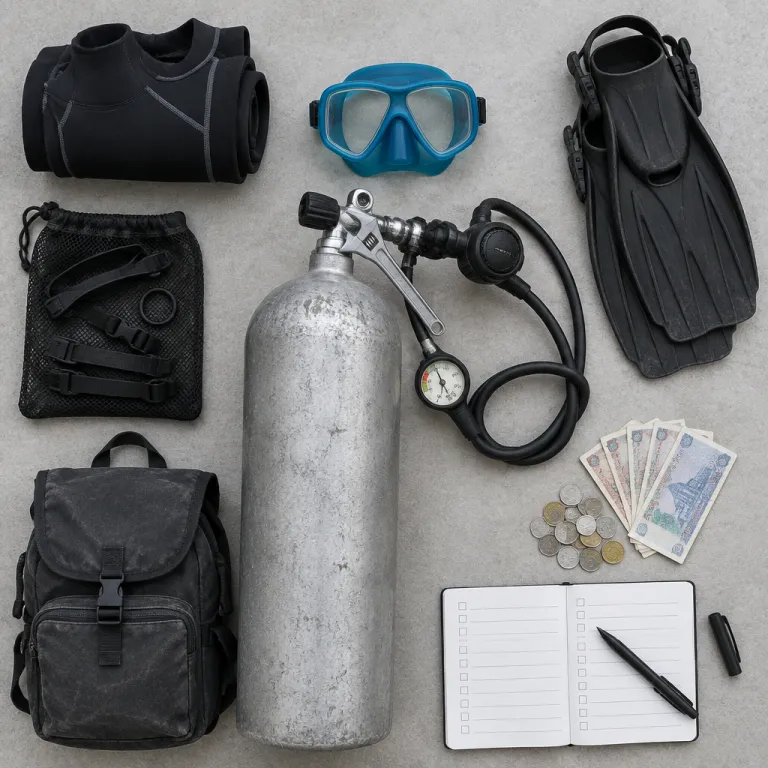
Why dahab budget diving works when resorts do not
Dahab is built for divers who care more about the sea than the swim up bar. The town’s entire rhythm revolves around shore access to the Red Sea, which makes dahab budget diving structurally cheaper than a stay in nearby Sharm el Sheikh. You walk from your guesthouse to the water, kit up at a local dive center, and step straight into some of the most storied dive sites on the Sinai Peninsula.
This shore first model removes the daily boat premium that inflates costs in Sharm el Sheikh and other Red Sea hubs. In Dahab Egypt, many dives start from the beach, or from a short pickup truck ride along the coast to a dive site like the Canyon, the eel garden, or the famous blue hole, so fuel and crew costs stay low. Camel transfers to more remote sites such as gabr bint or abu galum are still used, and even those feel more like a desert experience than an upsell.
Because the town grew around diving Dahab rather than mass tourism, prices reflect long stay habits. Multi day dahab diving packages, discounted gear rental for repeat dives, and simple rooms a few metres from the water all support a dahab budget diving mindset. You trade resort sheikh glamour for a place where divers, freedivers, and guides share the same cafés, talk about ras abu or lighthouse reef conditions, and plan the next day’s dives over mint tea.
Signature dahab dive sites: blue hole myth, everyday reality
The blue hole north of Dahab is one of the most talked about dive sites on the planet. Its reputation comes from a mix of stark beauty, tragic accidents, and the stark drop from shallow reef to an apparently bottomless hole in the Red Sea. For dahab budget diving, the blue hole is less a dare and more a lesson in how to approach a famous dive site with calm, conservative planning.
Most recreational divers experience the blue hole as a controlled wall or saddle dive, not a deep arch penetration. You enter from shore, cross the shallow reef table, then drop along the outer wall where the blue water falls away into the red sea abyss and schools of anthias and fusiliers cloud the view. Guides in Dahab Egypt are used to mixed experience groups, so they keep blue hole profiles within open water and advanced limits, and they will turn the dive early if anyone looks uncomfortable.
For many visitors, the real heart of diving Dahab lies in the gentler sites that fill the rest of the week. Lighthouse reef in central Dahab is a forgiving training dive site where you can learn dive skills, complete an open water course, or log relaxed night dives with abundant marine life. The eel garden offers a surreal field of garden eels swaying in the sand, while the Canyon and ras abu areas combine dramatic topography with easy shore entries that suit both new divers and photographers chasing red sea light.
When you compare this to a high end tropical reef base such as a refined Gulf Coast property used for tropical reef diving in Florida, Dahab feels stripped back yet focused. You are paying for access to dive sites like the blue hole, eel garden, and gabr bint rather than for landscaped pools or formal dining rooms. That clarity keeps dahab budget diving aligned with divers who want maximum water time and are comfortable managing their own surface intervals in simple cafés along the bay.
Structuring a budget week: packages, timing, and where to sleep
A smart dahab budget diving week starts with choosing the right dive center rather than the fanciest room. Most divers book multi day packages that bundle a set number of dives, equipment rental, and sometimes airport transfers from Sharm el Sheikh, which keeps the per dive cost low. A typical rhythm is two shore dives per day with optional night dives on the lighthouse reef or nearby sites when conditions and energy allow.
Time your arrival to match calmer Red Sea seasons and you stretch your budget further. Autumn and late spring on the Sinai Peninsula often bring warm water, manageable wind, and fewer crowds than peak holiday periods, which means more flexible planning for dives at ras abu, abu galum, or the blue hole. Prices for rooms in Dahab Egypt tend to soften outside school holidays, and many small guesthouses quietly discount for stays longer than a week.
Accommodation for dahab budget diving ranges from basic sea facing rooms to simple apartments set a short walk from the water. Solo divers often choose places clustered near lighthouse reef or the main promenade, where it is easy to meet other divers heading to the same dive sites each day. If you are used to the polished hospitality of a resort used as a base for pelagic focused trips such as current swept Indonesian islands, Dahab’s rooms may feel plain, but the trade off is more cash for extra dives at gabr bint or a third tank at the Canyon.
Food is where many divers quietly overspend, so follow the guides. The people who work at your chosen dive center know which local places serve generous plates of grilled fish, falafel, and lentil soup at prices that match a dahab budget diving plan. Eat where the dive staff eat, refill water bottles instead of buying single use plastic, and you will have more room in your budget for another day exploring Red Sea marine life at remote dive sites along the Sinai coast.
Freedivers, long stays, and the solo diver culture
Dahab has become a magnet for freedivers who treat the blue hole as a vertical training track. That freediving presence shapes the town’s tempo, with early morning line sessions, yoga on the sand, and cafés where talk of breath holds and equalisation mixes with scuba chat about new dive sites. For solo travellers, this blend of freedivers and scuba divers creates a social fabric that makes dahab budget diving feel both international and grounded.
Many visitors arrive planning a short stay and end up renting a room by the month. The combination of low day to day costs, easy access to the sea, and a constant flow of new divers passing through keeps the social scene fluid without feeling transient. You might spend one day on a truck heading to ras abu or abu galum with a mixed group of divers, then the next day sharing a taxi to Sharm el Sheikh with someone flying out after a week of intensive open water training.
Because the town is compact, solo divers rarely feel isolated. Walk along the seafront and you pass multiple dive centers, each with gear drying in the sun, whiteboards listing the next day’s dives, and staff ready to talk through options from lighthouse reef check dives to full day trips to gabr bint. If you are used to more remote wreck expeditions such as historic harbor wreck diving, Dahab’s walk in model feels refreshingly simple, and it suits travellers who prefer to build their own schedule rather than follow a resort timetable.
Freedivers and scuba divers share many of the same Red Sea spaces, especially at the blue hole and eel garden, so good etiquette matters. Agree entry and exit points with your guide, respect line areas, and give other teams room at popular dive sites during peak times of day. This cooperative culture is part of what keeps dahab budget diving sustainable, because it allows many different types of divers to use the same stretch of Sinai coastline without overwhelming the marine life or the small town infrastructure.
Safety, trade offs, and how to vet a dahab dive center
Low prices in Dahab do not have to mean low safety standards, but they do demand that you choose carefully. The town has a long history of guiding dives at the blue hole, Canyon, lighthouse reef, and more remote sites such as gabr bint and abu galum, and many operators have deep local knowledge. At the same time, the sheer number of dive centers means quality can vary, so a dahab budget diving plan should always include time to walk the seafront and assess options in person.
Look for a dive center where the rental gear is well maintained, cylinders are clearly marked, and staff are happy to talk through dive site choices based on your recent experience. Ask how they manage groups at challenging places like the blue hole or ras abu, and whether they require a check dive at a calmer site such as lighthouse reef or eel garden before heading to deeper water. A professional operation will insist on conservative profiles, especially for divers whose last open water dives were some time ago.
There is less hand holding here than at a large Sharm el Sheikh resort, which can be liberating for confident divers and confronting for those used to all inclusive packages. You will often carry your own gear to the water, help load trucks for day trips along the Sinai Peninsula, and manage your own surface interval snacks between dives. That trade off is central to dahab budget diving, and it works best for travellers who value autonomy, listen closely during briefings, and are honest about their limits when planning Red Sea dives.
When in doubt, talk to other divers in town. People returning from ras abu, abu galum, or the blue hole will quickly tell you which dive centers handled currents, entry points, and emergency planning with calm competence. Choose the place where the guides speak clearly about risks, where marine life briefings include environmental guidelines, and where the emphasis is always on coming back with enough air and enough energy to enjoy the next day’s dives.
Seasonality, conditions, and getting the best value from your time
Timing shapes both your budget and your experience of Dahab’s dive sites. Water temperatures in the northern Red Sea typically range from the low twenties Celsius in cooler months to around twenty eight degrees in the warmest period, which affects how many dives per day feel comfortable. Plan your dahab budget diving week for shoulder seasons and you often get warm enough water for three dives a day without the crowds of peak holiday periods.
Autumn on the Sinai Peninsula often brings stable conditions, with lighter winds and good visibility at sites such as lighthouse reef, eel garden, and ras abu. These are ideal months for open water courses, for divers returning to the water after a break, or for photographers who want softer light on the reef without harsh surface chop. High summer can deliver glassy seas but also stronger heat on land, which may push you toward early morning and late afternoon dives to avoid the most intense sun.
Transport logistics also influence value. Many divers fly into Sharm el Sheikh, then take a road transfer of around ninety minutes to Dahab Egypt, which is usually included or discounted in multi day packages from established dive centers. Once in town, most dive sites are reached by pickup truck or jeep, with only the more remote gabr bint and abu galum areas requiring longer day trips that cost a little more but still fit within a thoughtful dahab budget diving plan. Build one rest day into your schedule to explore the town, hydrate, and let your body reset between sequences of deep dives at the blue hole or Canyon.
Finally, respect the Red Sea environment that makes all this possible. Choose dive centers that brief you on not touching coral, maintaining buoyancy over fragile garden areas, and avoiding harassment of marine life such as turtles, rays, and schooling fish. The more carefully divers treat sites like lighthouse reef, eel garden, ras abu, and the blue hole today, the more vibrant and affordable dahab diving will remain for the next wave of travellers who value time in the water over any other luxury.
What dahab budget diving really buys you
At its core, dahab budget diving is about reallocating your travel spend from marble lobbies to extra dives. You are paying for repeated access to the Red Sea, for shore entries that let you slip into the water at lighthouse reef before breakfast, and for the chance to return to the same dive site across several days to watch how the marine life shifts with light and tide. That kind of time rich diving is hard to achieve in more structured resort environments along the Sinai Peninsula.
On a typical day you might start with a relaxed check of your gear at the dive center, then head out for a first dive at eel garden where the sand ripples with eels and the blue water beyond holds passing jacks. After a simple lunch back in Dahab Egypt, you could join an afternoon trip to ras abu or another coastal site, finishing with tea on the shore as the sun drops behind the red mountains. If energy and conditions align, a night dive at lighthouse reef or a nearby house reef rounds out the day, all without ever stepping on a large dive boat.
For many divers, the highlight is a carefully planned day at the blue hole or a longer excursion to gabr bint or abu galum, where the reef feels wilder and the crowds thin. These trips cost a little more than in town dives, but within a dahab budget diving framework they remain accessible, especially if you have saved by choosing modest accommodation and local food. Over a week, you log a mix of iconic and intimate Red Sea dives, meet a rotating cast of divers and freedivers, and leave with the sense that you have lived in a dive town rather than passed through a resort.
The trade offs are clear and honest. You accept some rough edges, variable service, and the need to take responsibility for your own comfort and safety in exchange for more water time at some of the most storied dive sites in Egypt. For the solo explorer who measures a trip in encounters with marine life rather than in thread counts, Dahab is one of the few places where that equation still works in your favour.
Key figures for dahab budget diving
- The northern Red Sea typically offers underwater visibility of 20 to 30 metres on many days, which allows divers in Dahab to plan detailed wall and canyon dives with clear reference points along the reef.
- Water temperatures around Dahab usually range from about 21 °C in the coolest months to roughly 28 °C in the warmest period, so a 5 mm wetsuit covers most seasons for recreational divers.
- Shore based diving in Dahab often reduces daily costs by 20 to 40 percent compared with boat focused resort diving in larger hubs, because fuel, crew, and marina fees are lower or absent.
- Many Dahab dive centers offer discounted multi day packages where the per dive price drops after about six to ten dives, which encourages longer stays and repeated visits to sites like lighthouse reef and the blue hole.
- Transfer times from Sharm el Sheikh airport to Dahab are usually around ninety minutes by road, which makes the town accessible for week long trips without requiring domestic flights inside Egypt.
FAQ about dahab budget diving
Is Dahab safe for new divers on a budget ?
Dahab can be a good place for new divers, provided you choose a reputable dive center and start with easy sites such as lighthouse reef or eel garden. Many operators specialise in open water training and will not take beginners to challenging sites like the blue hole until they have seen your skills in calmer water. As with any Red Sea destination, honest communication about your experience and comfort level is essential.
How many dives can I realistically do in a week in Dahab ?
Most recreational divers planning a dahab budget diving trip log between ten and sixteen dives in a week. A common pattern is two dives per day with one rest day, plus optional night dives at house reefs when conditions are good. Your exact number will depend on water temperature, your fitness, and how conservative you and your guides choose to be with depth and surface intervals.
Do I need to book Dahab dive sites in advance ?
For everyday shore dives at sites near town, advance booking is usually not necessary outside peak holiday periods. It is wise to reserve your place for popular full day trips to gabr bint, abu galum, or the blue hole, especially if you have limited time. Many solo travellers simply arrive, visit several dive centers, and then commit to a multi day package once they have found a team they trust.
What should I budget per day for diving and living costs in Dahab ?
Daily costs vary, but many budget minded divers manage a comfortable dahab budget diving routine on a modest amount that covers two dives, simple accommodation, and local meals. Multi day dive packages reduce the per dive price, and eating at local cafés where guides and instructors go keeps food costs predictable. Extra expenses such as long range trips, equipment rental, and airport transfers from Sharm el Sheikh should be factored in separately.
Can I combine Dahab with other Red Sea or Egypt destinations ?
Yes, many travellers pair Dahab with time in Sharm el Sheikh, Cairo, or Upper Egypt. Flying into Sharm el Sheikh for the Sinai portion and then connecting to other Egyptian cities allows you to mix dahab budget diving with cultural visits or different styles of Red Sea diving. Just remember to respect no fly times after your last dives before taking any onward flights.
Suggested sources for further reading : Divers Alert Network, PADI Travel, and the Professional Association of Diving Instructors.