How to recognise the best coral reefs in the world
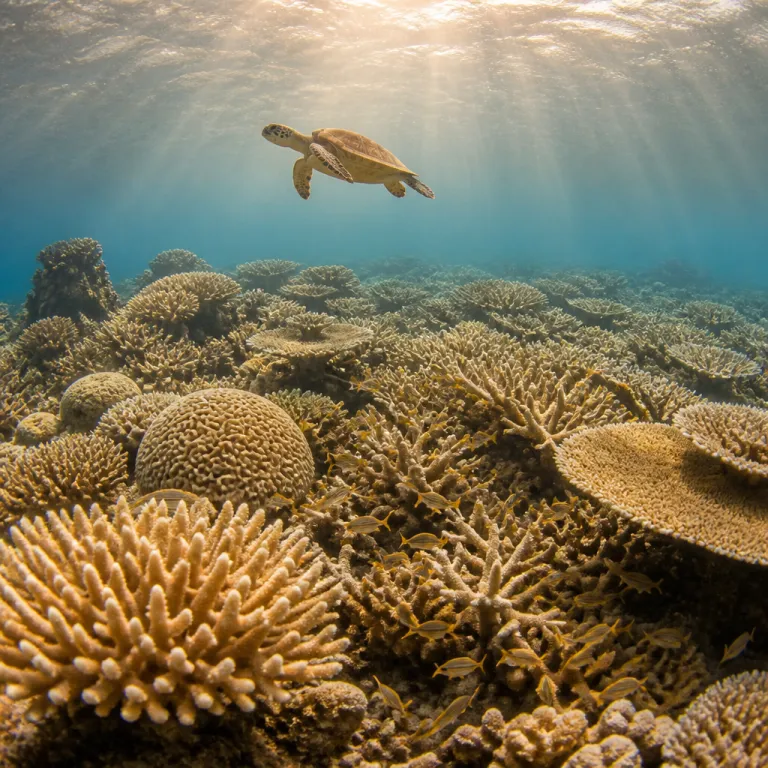
Choosing where to dive among the best coral reefs in the world starts with understanding what makes a coral reef truly exceptional. A healthy reef shows dense, colourful corals, clear sea water with good visibility, and abundant marine life moving confidently through the underwater landscape. When a reef system combines thriving coral species, balanced fish populations, and minimal visible damage, you are usually looking at one of the world’s great natural treasures.
Scientists assessing any coral reef focus on three pillars: coral cover, species diversity, and resilience to stress. During global reef monitoring programmes, teams use diving surveys, satellite imaging, and AI-supported data analysis to compare reefs across the world, from the Great Barrier Reef to the Coral Triangle. Their objectives are simple yet ambitious: assess reef health, promote conservation, and enhance public awareness so that every dive traveller can make informed choices.
For you as a diving guest, this science translates into practical checks before you book a dive or a resort on any island. Look for destinations inside a national park or marine protected area, ask operators about recent bleaching events, and favour dive resorts that work with local governments, environmental NGOs, and research institutions. When a destination openly shares data about its coral reefs and reef system management, it usually offers some of the best places for sustainable diving in the world.
Great Barrier Reef and the Pacific icons
The Great Barrier Reef remains the largest coral reef on the planet and a benchmark for the best coral reefs in the world. Managed by the Great Barrier Reef Marine Park Authority, this immense barrier reef stretches over roughly 344,400 km² according to the Australian Government, and shelters hundreds of coral species and thousands of fish species. While increased coral bleaching and rising sea temperatures challenge this great reef system, carefully regulated dive sites still deliver outstanding underwater experiences.
On a liveaboard or from coastal dive resorts, you can explore outer reefs where soft corals and hard corals form towering coral gardens. Many of these areas sit inside strict national-park-style zones, where anchoring is controlled and marine life is closely monitored for long-term resilience. When you glide above bommies covered in soft coral and watch reef sharks patrol the sea, you understand why this region remains one of the world’s iconic natural wonders despite climate pressure.
Further across the Pacific, Fiji markets itself as the soft coral capital and often earns a place in any list of the best places for coral reefs. Here, nutrient-rich currents feed lush soft corals that drape every coral reef slope in pink, purple, and orange, attracting dense marine life from tiny nudibranchs to pelagic visitors. Many Fiji islands host intimate dive resorts that coordinate with local communities to protect nearby coral reefs, proving that a well-managed resort and reef partnership can keep both corals and tourism thriving.
Raja Ampat, the coral triangle and Indonesia’s reef powerhouses
Raja Ampat sits at the heart of the Coral Triangle and consistently ranks among the best coral reefs in the world for biodiversity. Marine biologists working in the region report more than 600 coral species in these reefs, a concentration that places Raja Ampat among the most diverse coral ecosystems on Earth. When you dive here, every square metre of coral reef seems packed with corals, sponges, and marine life, from pygmy seahorses to swirling barracuda.
Many Raja Ampat islands fall inside a national-park-style network of marine protected areas, where community patrols and research teams work side by side. Ongoing reef surveys in Raja Ampat use underwater cameras and GPS devices to map reef system health and track coral species recovery after bleaching events. This data-driven approach helps local dive resorts adjust mooring practices, limit visitor numbers at sensitive dive sites, and protect iconic coral gardens that attract travellers from around the world.
Indonesia offers more than Raja Ampat for reef-focused diving, and serious travellers often combine regions within the Coral Triangle. Sulawesi’s long coastline, for example, mixes vibrant reefs with rich culture, and you can plan itineraries that pair street food adventures with reef dives along Sulawesi’s dive coast, as detailed in this guide on street food and reef dives in Sulawesi. Across these islands, you will find coral reefs ranging from steep walls to shallow coral gardens, each hosting different coral species and marine life communities that justify Indonesia’s reputation as one of the world’s premier reef destinations.
Red Sea, Belize Barrier Reef and Caribbean standouts
The Red Sea offers some of the clearest water and most photogenic coral reefs in the world, making it a favourite for underwater photographers. Here, desert landscapes drop abruptly into deep blue sea, and the contrast between arid shore and lush coral reef is striking. Strong yet predictable currents feed soft corals and hard corals, while steep walls and pinnacles create dramatic dive sites packed with marine life.
Many Red Sea reefs lie within national-park-style zones where anchoring is restricted and fishing is limited, which helps maintain coral species diversity. Liveaboards and shore-based dive resorts coordinate with local authorities to manage access to fragile coral gardens and to monitor reef system health. When you plan a diving trip here, prioritise operators that use reef-safe sunscreen policies, enforce no-touch rules, and brief guests on how to respect marine life during every dive.
Across the Atlantic, the Belize Barrier Reef forms the second-largest barrier reef complex and is central to any discussion of the best coral reefs in the world. This Belize Barrier Reef system includes famous dive sites such as the Blue Hole, but its real strength lies in extensive coral gardens, mangroves, and seagrass beds that support rich marine life. Many islands along this barrier host small-scale dive resorts that work with conservation groups to restore damaged corals, proving that careful tourism can help keep the Caribbean among the best places for reef-focused diving.
Remote sanctuaries ; Raja Ampat, Papua region and national parks at sea
Some of the best coral reefs in the world survive in remote national-park-style sanctuaries where access is tightly controlled. Tubbataha Reefs Natural Park in the Philippines, for example, is managed by the Tubbataha Management Office and is often cited by National Geographic and other authorities as one of the most pristine reef systems on Earth. Here, limited permits, a short diving season, and strict rules keep coral reefs and marine life in exceptional condition.
In the wider Papua region, including areas such as Papua New Guinea that appear in travel searches under various spellings, isolation has helped preserve many coral reefs. Liveaboards and a handful of dive resorts offer access to coral gardens where soft corals, gorgonians, and sponges compete for space, while schooling fish and sharks patrol the blue water. These islands sit within the broader Coral Triangle, and their coral species diversity rivals that of Raja Ampat, making them essential stops for divers chasing the world’s most memorable reef experiences.
Across these remote islands, conservation projects linked to international reef research rely on community engagement as much as on technology. Teams use underwater cameras, GPS devices, and AI-supported analysis to document coral reef health, while local rangers enforce rules that protect marine life from overfishing. When you choose to dive in such national park areas and respect regulations, your trip directly supports the long-term survival of some of the best places for coral reefs in the world.
Planning reef focused trips ; safety, ethics and smart itineraries
Designing an itinerary around the best coral reefs in the world means balancing dream dive sites with responsible travel choices. Start by checking local regulations, marine park fees, and seasonal conditions for each reef system you plan to visit. Then, prioritise dive resorts and liveaboards that publish clear environmental policies and work with recognised conservation partners.
For example, the Great Barrier Reef Marine Park Authority provides detailed zoning maps that help operators avoid sensitive coral reefs and protect key coral species. In Raja Ampat, the Raja Ampat Research and Conservation Centre collaborates with local communities to manage marine life resources and monitor coral reef recovery. In Mexico’s Sea of Cortez, you can base yourself at a refined coastal resort that supports conservation-focused diving, as outlined in this review of Costa Baja Resort & Spa for Sea of Cortez diving.
Ethical reef travel also means adjusting your behaviour underwater and at the surface during every dive. Use reef-safe sunscreen, maintain perfect buoyancy above corals, and never chase or touch marine life, even when currents or excitement tempt you. When enough travellers adopt these habits across the world, from Fiji to the Red Sea and from the Belize Barrier Reef to the Coral Triangle, the combined effect helps keep coral reefs among the world’s most inspiring natural attractions for future generations.
Beyond the tropics ; pelagic encounters and complementary experiences
While the best coral reefs in the world cluster in tropical seas, many divers like to pair reef trips with pelagic-focused adventures. The Azores in the North Atlantic, for instance, offer blue water encounters with sharks and rays that complement time spent on coral reefs elsewhere. Planning such combinations lets you experience both intricate coral gardens and the open sea drama of large marine life in a single extended journey.
One smart strategy is to schedule a Coral Triangle expedition to Raja Ampat or Fiji, then add a temperate water leg focused on pelagic species. A detailed guide to the Azores Triangle as one of Europe’s best-kept secrets for pelagic encounters explains how these islands can fit into a broader diving portfolio, and you can study that plan here: Azores pelagic encounters guide. By alternating coral reef trips with open ocean adventures, you reduce pressure on individual reef systems while still enjoying some of the world’s most remarkable marine life experiences.
As you refine your long-term diving plans, remember that coral reefs are under real threat from climate change and rising sea temperatures. Major scientific assessments, including reports by the Intergovernmental Panel on Climate Change, warn that many reefs face severe bleaching without rapid emission cuts, but traveller choices remain crucial. When you support responsible operators, respect national park rules, and share accurate information about coral reefs and marine life, you help ensure that the best coral reefs in the world remain vibrant for the next wave of divers.
Key statistics about leading coral reefs
- The Great Barrier Reef covers about 344,400 km² according to the Australian Government’s Great Barrier Reef Marine Park Authority, making it the largest coral reef system on Earth and a central reference for global reef management.
- Raja Ampat hosts more than 600 recorded coral species based on surveys cited by organisations such as Conservation International, which places it among the most biodiverse coral regions in the world.
- Tubbataha Reefs Natural Park in the Philippines supports roughly 600 fish species as documented by National Geographic, highlighting the exceptional marine life density within this protected national park area.
- Global monitoring programmes report increased coral bleaching events in recent decades, closely linked to rising sea temperatures and emphasising the urgency of conservation-focused diving practices.
- International reef research projects use diving surveys, satellite imaging, and AI-assisted analysis to compare reef health across multiple regions, aiming to improve reef management strategies worldwide.
FAQ ; essential questions about the best coral reefs in the world
What is the largest coral reef?
What is the largest coral reef? The Great Barrier Reef in Australia.
Where is the most biodiverse coral reef?
Where is the most biodiverse coral reef? Raja Ampat in Indonesia.
Which coral reef is known for pristine conditions?
Which coral reef is known for pristine conditions? Tubbataha Reefs in the Philippines.
How can divers help protect coral reefs while travelling?
Travelling divers can help protect coral reefs by choosing operators that follow local regulations, using reef-safe sunscreen, maintaining good buoyancy to avoid touching corals, and respecting marine life at all times. Supporting destinations inside marine protected areas or national park zones also channels money toward conservation. Finally, sharing accurate information about reef-friendly practices encourages other travellers to adopt similar habits.
Why are coral reefs considered among the world’s best travel experiences?
Coral reefs rank among the world’s best travel experiences because they combine extraordinary biodiversity, vivid colours, and close encounters with marine life in relatively shallow, accessible water. For many divers and snorkellers, floating above thriving coral gardens feels like visiting a living art gallery. When these reefs are well managed and protected, they also offer a powerful example of how tourism and conservation can work together.