Why alaska scuba diving kelp forest experiences belong on serious divers’ lists
Alaska sits where the North American continent leans into the Pacific Ocean and cold water shapes every marine habitat. For divers used to warm water reefs in California or the tropics, the first descent into an Alaskan kelp forest feels like stepping into a cathedral built from living plants and filtered light. This is cold water scuba territory in the purest sense, where every dive trades palm trees and islands for sea fog, working harbors, and a different kind of underwater life.
The state’s most accessible kelp forests wrap around the islands and headlands of Ketchikan, Sitka Sound, Resurrection Bay, and the outer Aleutian island chain. Here, long fronds of giant kelp (Macrocystis pyrifera) rise from rocky kelp beds to the surface, forming dense forests that sway with the swell and hide holdfasts the size of ship anchors. These underwater forests are not just scenic; they are among the most productive marine habitats on Earth, rivaling tropical coral reefs for biomass and biodiversity.
Local marine biologists and PhD student researchers treat these forests as open air laboratories, while visiting divers and snorkelers arrive as explorers rather than tourists. In this ongoing underwater exploration, divers act as observers who move through the kelp forest canopy, while marine biologists as researchers study how Macrocystis pyrifera shapes the surrounding sea. The shared objective is simple yet ambitious: observe marine life, understand the forest, and come back with a deeper respect for Alaska’s cold water kelp ecosystems.
Reading the kelp: how Alaska’s regions shape the dive
Each Alaskan region offers a distinct take on cold water kelp forest diving, and choosing the right base matters as much as picking a liveaboard in the tropics. Ketchikan, tucked into the Inside Passage and located miles from the open Pacific Ocean, gives you sheltered waters, towering forested slopes, and kelp beds that wrap around small island points like underwater hedgerows. Sitka Sound, by contrast, faces the full energy of the sea and its kelp forests feel wilder, with stronger surge, bigger swell, and marine life that reflects that exposure.
Farther north, Resurrection Bay near Seward offers clear waters when conditions align, with steep walls where kelp macrocystis clings to rock and sea stars, anemones, and sea cucumbers crowd every ledge. Out along the Aleutian Islands, the Alaskan kelp diving experience becomes expedition grade, with remote islands, colder water temperatures, and currents that demand a confident dive team and an experienced scuba instructor. These outer waters can bring encounters with Steller sea lions, puffins, and occasionally orcas that ghost along the edge of the kelp forest before vanishing back into the blue.
If you already plan cold water travel, you can pair an Alaskan itinerary with small-ship voyages in other northern seas. For example, Scandinavian itineraries on small expedition vessels aimed at divers and marine travelers echo the same ethos of slow travel and detailed marine observation. The common thread is time in the water, not time on Facebook or in a lounge, and a focus on national park style landscapes where the ship is simply your moving basecamp.
What lives beneath the canopy: signature species and marine drama
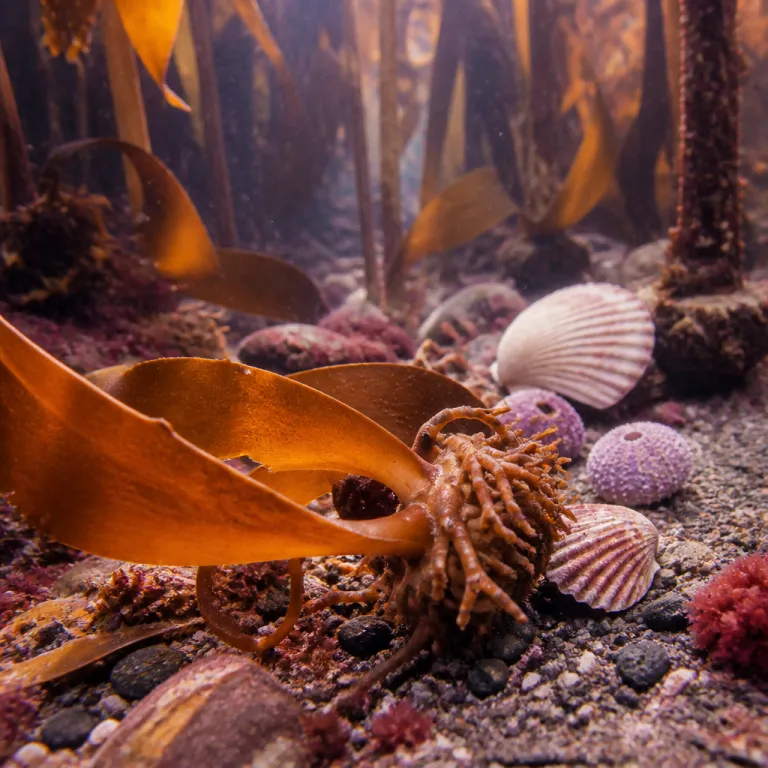
Slip beneath an Alaskan kelp forest and the first impression is color, not cold. The surface may look grey and austere, but underwater the forest glows with orange sea stars, pink anemones, and the muted greens of Macrocystis pyrifera fronds that filter the light into shifting bands. This is where Alaska kelp forest scuba dives earn their reputation, because every square metre of rock seems occupied by some form of marine life.
Giant kelp towers create vertical structure that shelters juvenile rockfish, lingcod, and prowling greenlings, while the forest floor hides wolf eel dens and the occasional giant Pacific octopus coiled around a boulder. Sea lions patrol the outer edge of the kelp beds, using the forest as both hunting ground and playground, and they often buzz divers in short, curious passes before vanishing back into the open sea. Look closer at the kelp itself and you will see sea cucumbers, crabs, and tiny snails grazing on the blades, turning the entire kelp forest into a living city.
These marine habitats feel dense because they are; global syntheses of kelp forest productivity suggest that these habitats cover roughly 0.1% of the ocean floor yet contribute close to 1% of global primary production, which explains why Alaskan kelp ecosystems feel so alive. For divers who already chase pelagic encounters in places like the Azores, where detailed guides highlight open ocean drama, Alaska offers a different but equally intense form of underwater theatre.
Season, gear, and skills: how to plan your first Alaskan kelp dives
Timing your Alaska kelp forest scuba trip around the local season is the single smartest planning decision you can make. Summer brings the warmest water temperatures, the longest daylight, and often the clearest waters, which means more time to dive and more time to explore the forest between surface intervals. Winter and shoulder seasons can still deliver excellent diving, but the combination of colder water, shorter days, and more volatile weather demands a higher tolerance for discomfort and tighter logistics.
Cold water here is not a marketing phrase; it is a reality that shapes every dive, and a drysuit is non negotiable for meaningful bottom time. Typical summer surface temperatures in many Southeast Alaska sites hover around 48–55°F (9–13°C), with subsurface readings often a few degrees colder, so you will want a thick hood, robust gloves, and, for longer or deeper dives, argon inflation in your suit to reduce heat loss and keep your core stable. Many local operators, such as long-running charter boats in Resurrection Bay or Sitka-based day boats, work with experienced scuba instructor teams who understand how to transition warm water divers into drysuit proficiency, often recommending a day of shore diving or confined water practice before committing to more complex kelp forest sites.
Skill wise, you should be comfortable managing buoyancy in a drysuit, handling current, and maintaining situational awareness in limited visibility, because Alaskan kelp forest sites can change character quickly with tide and wind. Think of it as the cold water equivalent of navigating a complex reef system in California, where surge, depth, and topography all interact. Drysuit certification and at least Advanced Open Water level training are sensible baselines, and if you want a primer on how to evaluate operators and port infrastructure before you book, the same method used for choosing the right dive shop and island base translates well to Alaskan harbors, even if the water temperatures and gear lists are very different.
Beyond the bubbles: conservation, research, and multi-activity itineraries
Alaska’s kelp forests are not just playgrounds for cold water diving enthusiasts; they are frontline ecosystems in a changing sea. Local marine research institutions such as the University of Alaska Fairbanks College of Fisheries and Ocean Sciences, the Alaska SeaLife Center in Seward, and regional NOAA laboratories partner with dive operators to monitor kelp health, track shifts in kelp beds, and study how warming trends and storm patterns affect forest resilience. For divers willing to engage, this creates opportunities to join citizen science projects, log observations, and contribute to datasets that inform national park style management decisions.
Some itineraries weave in guided snorkeling in cold waters for non divers, using drysuits and snorkel gear so that everyone on the ship can experience the forest from the surface. These guided tours echo the dataset’s reassurance that “Is snorkeling in Alaska safe? Yes, with proper gear and experienced guides.” Multi activity trips often combine diving with sea kayaking along rugged island shorelines, wildlife viewing for whales and bears, and visits to coastal communities where the forested land meets the sea.
For solo travelers, this mix of Alaskan kelp immersion and topside exploration justifies the travel time and cost, especially when you factor in the rarity of these marine habitats. Growth in eco tourism and advancements in diving gear have made such cold water trips more accessible, but the experience still feels far removed from mass tourism and Facebook check ins. The best measure of success is not how many dives you log, but how clearly you remember the moment when a curtain of giant kelp parted and a group of sea lions swept past like underwater comets.
FAQ
What marine life can I expect in Alaska’s kelp forests?
Alaskan kelp forests host sea stars, anemones, crabs, rockfish, jellyfish, sea cucumbers, and giant kelp, along with lingcod, wolf eels, and the occasional giant Pacific octopus. Around the outer edges of the forest, you may encounter sea lions, harbor seals, and sometimes porpoises or whales passing through deeper waters. The exact mix of species varies by region, depth, and season, but every dive reveals dense, layered marine life.
When is the best time to plan alaska scuba diving kelp forest trips?
Diving is technically possible year round, but most visiting divers target late spring through early autumn for Alaska kelp forest scuba itineraries. This period usually offers the warmest water temperatures, the longest daylight, and more stable conditions, which translate into more flexible dive schedules. Local operators will adjust specific sites by tide and weather, so building in extra days gives you the best chance of hitting prime conditions.
Is snorkeling in Alaska’s kelp forests realistic for non divers?
Snorkeling in Alaska is feasible and can be rewarding when you use proper thermal protection and work with experienced guides. Operators often provide drysuits, hoods, gloves, and snorkel gear, then choose sheltered kelp beds with manageable currents and easy boat access. As one reference puts it, “Is snorkeling in Alaska safe? Yes, with proper gear and experienced guides.”
What experience level should I have before attempting these cold water dives?
Alaska suits divers who already feel comfortable in open water, can manage buoyancy precisely, and have some experience with current or limited visibility. Drysuit certification is strongly recommended before you commit to deeper or more complex cold water kelp forest sites, especially around exposed island points. Many operators can arrange a check dive or training session so that you and your scuba instructor can fine tune weighting and skills before more ambitious dives.
How do Alaskan kelp forests compare with California’s or other regions?
California’s kelp forests, especially around the Channel Islands, share the same Macrocystis pyrifera foundation, but Alaska adds colder water, longer summer daylight, and a different mix of invertebrates and fish. Visibility can be similar, yet Alaskan sites often feel more remote, with fewer boats and a stronger sense of wilderness above and below the surface. For divers who already love California kelp, Alaska kelp forest scuba trips feel like stepping into a larger, wilder version of a familiar underwater world.