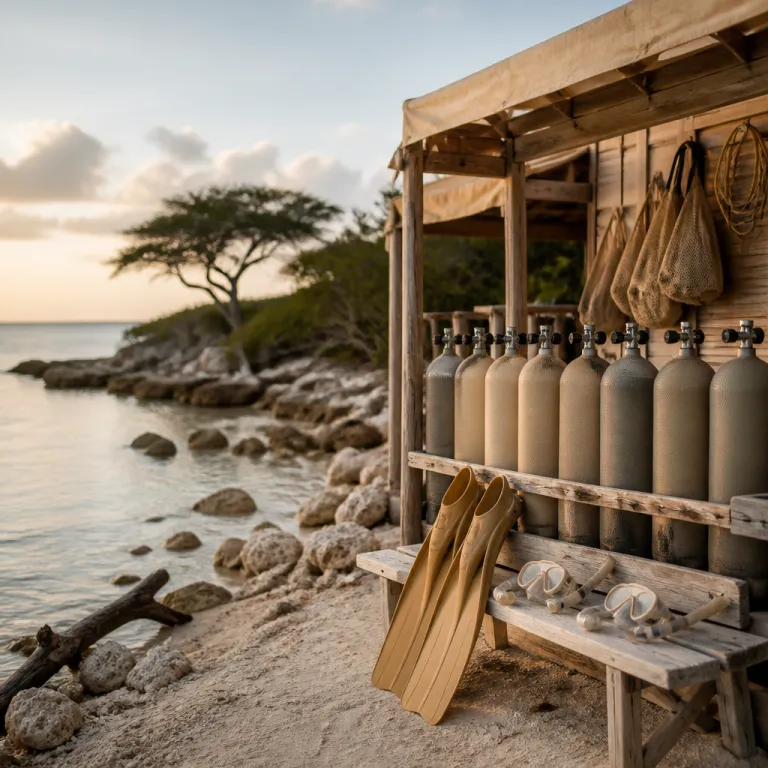
Why Bonaire’s dive shops and island stores matter for serious shore diving
Bonaire sits in the southern Dutch Caribbean and has built its reputation on effortless shore diving. For a diver who values independence, the right Bonaire dive shop and well stocked Bonaire island store will shape every dive, every surface interval, and every memory. On this island, the combination of easy shore access, clear water, and professional PADI services makes planning a week of dives feel almost like arranging a series of relaxed walks along the coast.
The island offers on the order of 80–90 officially named dive sites, many accessible directly from the shore with a short swim over shallow reef. This range appears consistently in Bonaire tourism brochures and marine park maps, which list marked sites along the leeward coast and Klein Bonaire. Because shore diving is so central to diving Bonaire, local dive shops have refined their service models around fast tank exchanges, reliable rental gear, and flexible dive packages that suit both solo travellers and groups. When you select a Bonaire dive shop or larger dive center carefully, you gain more than tanks and gear; you gain a logistics partner that keeps your scuba diving rhythm smooth from dawn to night dives.
Most visitors base themselves near Kralendijk, where several leading dive shops cluster along the waterfront and main roads. Here you find PADI dive centers such as Wannadive, Dive Friends Bonaire, VIP Diving, Buddy Dive Watersports, Exclusive Diving Bonaire, Scuba Elite, Dive Diva Bonaire, and Xprodiver Bonaire, each offering a slightly different diving experience. A thoughtful diver compares how each shop handles guided dives, shore diving support, PADI dive courses, and after sales service before committing to a full week of tanks, gear, and vehicle access. Locals often describe the choice as matching your personality to a “home base” on the island rather than simply picking the closest counter.
How to evaluate a Bonaire dive shop and island store before you book
Choosing the best Bonaire dive shop and island store starts with clarifying your own diving goals. Ask whether you mainly want independent shore dives, structured guided dives, or a mix that includes PADI dive training such as Open Water or Advanced courses. Once you know your priorities, you can compare how different dive shops bundle tanks, rental gear, and vehicle access into their packages.
Look closely at how each dive center manages logistics for shore diving, because that is where small differences become big over a week. Some operators offer drive through tank stations where you swap air or Nitrox tanks and gear in minutes, while others focus on concierge style service with staff loading equipment directly into your truck. When you evaluate a Bonaire dive shop or multi location network of shops, ask about opening hours, after hours tank access, and how quickly they resolve gear issues during a busy diving season. A simple checklist helps: note tank turnaround time, number of pickup points, on site maintenance, and whether the island store stocks basics like spare mask straps, reef safe sunscreen, and defog.
Training standards matter as much as convenience, especially if you plan to learn or refresh skills. Larger PADI 5 star centers on Bonaire can guide you from a first PADI dive course through professional levels, while smaller outfits may specialise in private coaching for a more tailored diving experience. For divers who like to compare destinations, it can be useful to contrast how Bonaire operators structure their courses with those in other Caribbean islands, then highlight the strengths of Bonaire’s shore focused model, such as easy access to shallow practice sites and predictable conditions for skills development.
Matching your diving style with Bonaire’s leading dive centers and shore services
Not every diver wants the same kind of adventure, even on the same reef. Some travellers prefer a high touch dive center that organises guided dives at classic Bonaire dive sites, while others want a simple ready dive package with unlimited shore tanks and minimal supervision. Understanding your own comfort level, navigation skills, and air consumption will help you choose the best mix of shore diving and guided support.
Dive Friends Bonaire operates several dive shops around Kralendijk, which suits divers who like to explore Bonaire from different entry points without driving back to a single base. VIP Diving and Exclusive Diving Bonaire focus strongly on personal service, offering smaller groups and flexible guided dives that can be ideal if you are new to diving Bonaire or returning after a long break. Buddy Dive Watersports, often associated with the larger Buddy Dive resort area, combines a full service dive center, drive through tank stations, and easy access to classic house reef dives that appeal to both beginners and experienced travellers. In practice, many visitors end up with a favourite: some praise Dive Friends for its spread of locations, others like VIP Diving for slow paced coaching, while Buddy Dive is often chosen by families who want everything on one property.
Smaller operators such as Scuba Elite, Dive Diva Bonaire, and Xprodiver Bonaire emphasise intimate groups and tailored experiences, which can be perfect if you want a private guide for your first night shore diving session. These teams help you refine buoyancy, manage rental gear efficiently, and plan multi level dives that respect both safety and marine conservation guidelines. Underwater photographers who enjoy macro life can use Bonaire’s calm conditions and easy shore entries to spend long dives searching for cryptic species, and may choose additional guided support from local experts who know where to find frogfish, seahorses, and other signature reef residents.
Designing the ideal Bonaire shore diving package for independent explorers
Once you have chosen a Bonaire dive shop and island store network, the next step is to build a package that matches your diving rhythm. Many dive centers on Bonaire offer unlimited shore diving packages that include a pickup truck, air or Nitrox tanks, and full access to drive through stations for a fixed number of days. For a confident diver who enjoys planning their own routes, this structure often delivers the best balance of freedom, value, and safety.
When you compare packages, look beyond headline prices and count how many actual dives you expect to complete. A typical pattern for experienced scuba diving guests is two morning shore dives, an afternoon dive, and an optional night dive when conditions and energy allow. If you plan to explore Bonaire intensively, an unlimited shore diving package from a reliable dive center such as Dive Friends Bonaire, Buddy Dive Watersports, or Wannadive usually beats pay per dive models, especially once you factor in tanks, rental gear, and vehicle costs. Divers who have tried both often comment that the psychological freedom of “one more dive” without extra paperwork is as valuable as the financial savings.
Newer divers or those returning after a long break may prefer mixed packages that combine independent shore dives with several guided dives at more complex dive sites. In these cases, ask your chosen Bonaire dive shop how they structure PADI dive courses, refresher sessions, and check dives before you head to deeper walls or current exposed areas. As a practical example, some visitors choose a weeklong package that includes unlimited shore tanks, three guided orientation dives at signature sites near Kralendijk, and a rental pickup with tank racks, which together provide both structure and flexibility for a first Bonaire trip.
Training, safety, and conservation when diving Bonaire’s tropical reefs
Bonaire’s calm conditions and clear water make it tempting to treat every dive as easy, but safety and training still demand discipline. Before you arrive, ensure your PADI dive certification and logbook are up to date, and consider an online theory refresher if your last scuba diving holiday was several years ago. On island, most dive shops will ask you to complete a check dive or buoyancy tune up before granting full access to unlimited shore diving packages.
For new divers, completing a PADI Open Water course on Bonaire can be an excellent way to learn in warm, predictable conditions. Many dive centers, including Wannadive, Buddy Dive Watersports, and VIP Diving, run PADI dive courses year round, with flexible schedules that allow you to combine training dives with relaxed shore dives once skills are mastered. If you already hold Open Water, consider adding specialties such as Peak Performance Buoyancy or Night Diver, which directly improve your diving experience on Bonaire’s shallow fringing reefs.
Conservation is woven into daily practice across the island, and responsible dive shops emphasise buoyancy control, careful finning, and respect for marine life. You will often hear staff remind guests to secure all gear, avoid touching coral, and follow local regulations that protect Bonaire’s marine park. The island’s focus on eco friendly diving practices aligns with global trends in sustainable tourism, and choosing a Bonaire dive shop that actively supports reef monitoring or conservation projects is one of the most effective ways to give back while you explore Bonaire’s underwater landscapes.
Practical planning tips for a seamless Bonaire dive holiday in the Dutch Caribbean
Good planning turns a simple trip into a polished diving experience, especially on an island where shore access is central. Start by booking your preferred Bonaire dive shop and any key PADI dive courses well in advance, particularly if you want private guided dives or specialised training. Many operators in the Bonaire Dutch Caribbean region run full schedules during peak months, and last minute spaces for popular packages can be limited.
On arrival, collect your rental gear, check fit carefully, and do a shallow shore dive to confirm everything works as expected. Even if you travel with your own gear, use this first dive to adjust weighting for the local water temperature, which typically averages around 27–29 °C according to long term marine climate summaries, and to familiarise yourself with Bonaire’s typical shore entries. Ask staff at your chosen dive center for current advice on visibility, surge, and any temporary restrictions at specific dive sites, then plan your first full day of dives accordingly.
Transport is another key element, because most shore diving routes assume you have a pickup truck to carry tanks, gear, and wet equipment between sites. Many dive shops partner with local car rental companies to bundle vehicles into dive packages, simplifying logistics and sometimes reducing overall cost. If you prefer to stay near central Kralendijk, you can still explore Bonaire efficiently by combining a rental vehicle with strategically located dive shops, ensuring that every day in the Dutch Caribbean brings a fresh mix of reefs, entries, and underwater encounters.
Key figures for Bonaire diving and shore based logistics
- Bonaire offers roughly 80–90 named dive sites, a high density for such a compact Dutch Caribbean island, which allows divers to plan varied shore diving routes without long surface travel times (range based on commonly cited Bonaire tourism information and marine park dive site maps).
- The average water temperature around Bonaire is generally reported at about 27–29 °C, which reduces thermal stress and makes it comfortable for multiple daily dives in standard 3 mm wetsuits for most divers (figures drawn from Bonaire marine climate summaries and regional oceanographic records).
- Local dive shops operate year round, with many maintaining daily opening hours and regular guided dives, ensuring that both high season and quieter months still provide structured scuba diving opportunities (based on published schedules from major Bonaire dive centers and resort operators).
- Shore diving is consistently highlighted as one of Bonaire’s main tourism drivers, contributing significantly to local revenue and supporting conservation funding for the island’s marine park (reported by regional tourism and conservation organisations in public summaries and annual reports).
FAQ: planning your Bonaire dive shop and shore diving strategy
What is the best time to dive in Bonaire?
Diving in Bonaire is possible year round, thanks to stable water temperatures and generally calm seas. Many divers consider the period from April to November as offering particularly favourable conditions, with warm water and typically good visibility. Because dive shops operate continuously, you can plan a Bonaire dive holiday whenever your schedule allows, then fine tune dates based on flight options and personal preferences.
Do I need a certification to dive in Bonaire?
Yes, a recognised scuba certification such as PADI Open Water is required for independent diving on Bonaire’s reefs. Dive centers will usually ask to see your certification card and logbook before renting tanks or gear or granting access to unlimited shore diving packages. If you are not yet certified, several Bonaire dive shops offer full PADI dive courses that take you from beginner to confident diver in a structured, supervised format.
Are there beginner friendly dive sites in Bonaire?
Many of Bonaire’s shore accessible reefs are well suited to beginners, with gentle slopes, minimal current, and clear navigation along the reef edge. Dive shops often recommend specific sites with easy entries and shallow profiles for early dives, then gradually introduce more complex locations as your skills improve. Guided dives with a local instructor or divemaster can accelerate learning and build confidence during your first days of diving Bonaire.
Can I rent dive equipment on the island?
Yes, multiple dive shops and dive centers across Kralendijk and surrounding areas provide rental gear, including regulators, BCDs, wetsuits, and computers. Many also offer packages that bundle rental gear with unlimited tanks and vehicle access, which simplifies budgeting for a week of intensive shore diving. Even if you bring your own core gear, you can rely on local shops for backup items, spare parts, and specialised equipment such as Nitrox compatible tanks.
Is shore diving really the main way to explore Bonaire’s reefs?
Shore diving is one of Bonaire’s defining features, and most visiting divers plan their days around driving to marked coastal entries, then swimming short distances to the reef. Boat dives are available and useful for reaching certain offshore dive sites, but the majority of the island’s famous locations can be accessed from the shore with support from a well organised Bonaire dive shop. This shore based model gives experienced divers exceptional freedom to set their own pace, choose dive times, and revisit favourite reefs throughout their stay.