Why diving Isla Mujeres, Mexico belongs on every reef lover’s list
Diving Isla Mujeres, Mexico offers a rare balance of gentle conditions and serious marine life. Around this small isla off Cancún, divers find warm water, clear visibility and a reef system that still feels intimate. For anyone planning scuba travel in México, it is one of the best places to combine relaxed dives with memorable encounters.
The island sits on the Mesoamerican Barrier Reef, so every dive site lies close to shore and boat rides take little time. From the Cancún hotel zone, the Ultramar ferry to Isla Mujeres usually takes about 20 to 25 minutes, and most local dive boats reach nearby reefs in 10 to 20 minutes. That geography means more actual dives and less waiting on the boat, which matters when you want to maximise your diving experience over a short holiday. Many divers pair Isla Mujeres with Cancún or the Riviera Maya, yet the isla itself rewards those who stay longer and explore its quieter reef zones.
Water temperatures hover around 26 °C for much of the year, typically ranging from about 24 °C in winter to 28 °C in late summer, which keeps marine life active and makes long scuba dives comfortable. Regional summaries from training agencies such as PADI and local marine park data report visibility that can reach 30 metres on good days, so the underwater world appears bright and sharply defined. These conditions suit new PADI Open Water divers, but they also let experienced divers slow down, read the reef and appreciate small details like cleaning stations and juvenile fish behaviour.
Local operators such as Squalo Adventures Dive Center, Delfin Diving and Pocna Dive Center keep groups small, which improves safety and the overall scuba diving experience. Their guides know how to time dives around currents and boat traffic, especially at popular dive sites near Cancún. One instructor described a typical morning as “two short boat rides, long bottom times and no rush on the surface,” which captures the easy pace of the isla. When you plan your own diving Isla Mujeres, Mexico itinerary, ask each dive center about group size, safety briefings and how they manage different levels of divers on the same boat.
The island’s community has embraced marine conservation, working with partners to protect coral and marine life. Artificial structures like the underwater museum support reef restoration while easing pressure on natural formations. The National Marine Park charges a modest daily conservation fee, usually collected through your dive center and added to the cost of each trip; at the time of writing, many operators quote a per-day fee in the range of a few US dollars, but you should confirm the current amount when you book. That mix of conservation and tourism means your dives contribute to a broader effort to safeguard underwater life for the next generation of divers.
Reefs, currents and visibility: what to expect from the underwater landscape
The reef system around Isla Mujeres offers a gentle introduction to Caribbean diving while still feeling wild. Most dive sites sit between 8 and 20 metres, so PADI Open Water divers can enjoy almost every reef and still have generous no decompression time. The shallow depth also means colours stay vivid, with soft light rippling across hard corals and sponges.
Manchones Reef is the signature reef dive site and a highlight of diving Isla Mujeres, Mexico. Here, divers glide over coral heads teeming with marine life, from schools of grunts to angelfish and the occasional turtle. Because Manchones Reef is broad and varied, guides can adapt the route to different levels, creating easy dives for beginners and more exploratory dives for experienced divers.
Currents around the isla are usually mild, but some channels can accelerate and turn a relaxed dive into a gentle drift. These conditions suit divers who enjoy covering more ground and watching reef life unfold below. When currents pick up, your dive center will choose appropriate dive sites and plan entries so you spend more time drifting than swimming against the water.
Visibility typically ranges from 20 to 30 metres, especially during the dry season when seas are calmer. That clarity makes Isla Mujeres an excellent place to refine buoyancy, practice underwater photography and read subtle changes in the reef. If you have only dived in lower visibility before, the clear water here will feel like a new scuba experience altogether.
Compared with other tropical reef destinations such as the Red Sea, where summer visibility and solitude can be exceptional, Isla Mujeres offers a softer, more accessible profile. You trade extreme walls and deep drop offs for approachable reef gardens and relaxed dives. For many divers, especially those travelling with non diving partners, that balance makes this corner of México one of the best choices in the Caribbean.
MUSA, Manchones and beyond: signature dive sites around Isla Mujeres
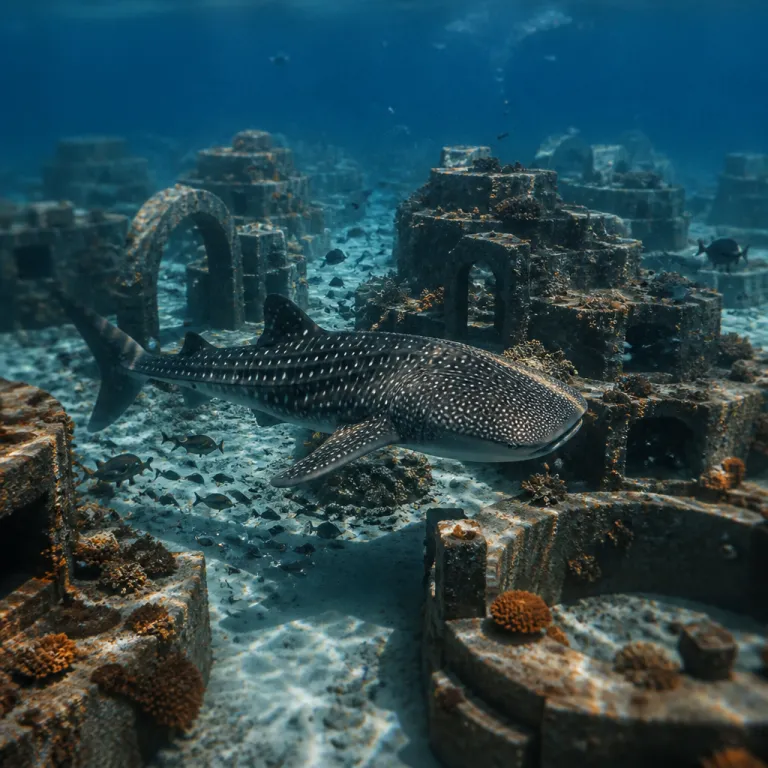
One of the defining features of diving Isla Mujeres, Mexico is the presence of MUSA, the Museo Subacuático de Arte. This underwater museum combines art and conservation, with hundreds of sculptures placed on the seabed to form an artificial reef. As coral and algae colonise the statues, divers witness how art transforms into habitat and supports new marine life.
MUSA sits in shallow water, usually between 8 and 10 metres, which makes it ideal for long, relaxed dives. Many divers complete two consecutive dives here, first focusing on the artwork and then on the growing reef life between the sculptures. Because the underwater museum is so photogenic, it has become a favourite for underwater photographers and for divers completing PADI Open Water training dives.
Just beyond the museum, Manchones Reef stretches out as a classic Caribbean reef system. Here, divers weave between coral heads, follow sandy channels and watch for passing eagle rays along the edges. The combination of MUSA and Manchones Reef in a single day offers one of the best overviews of what Isla Mujeres can deliver in terms of both culture and marine life.
Other dive sites around the isla include shallow reefs closer to Cancún and slightly deeper formations where currents attract schooling fish. Some dive centers schedule multi level dives that start on a deeper section of reef and gradually rise to a shallower plateau, extending bottom time while keeping profiles conservative. When you read each operator’s description of their dives, look for clear information about depth, expected conditions and typical marine life.
Because the underwater museum and Manchones Reef are so popular, timing matters if you want a quieter diving experience. Early morning dives often bring calmer water, fewer boats and more active fish life. During peak season, roughly December to April and again in July and August, book your dives in advance and ask your chosen dive center how they avoid the busiest windows at each dive site.
For travellers comparing seasonal options across destinations, resources such as this guide to peak summer visibility and encounters can help frame expectations. Isla Mujeres tends to offer reliable conditions rather than extremes, which suits divers who value consistency and relaxed logistics. That predictability is one reason many divers return to the isla after sampling more remote reef systems.
Whale sharks, eagle rays and everyday marine life
While the reefs around Isla Mujeres support rich day to day marine life, many travellers come for one headline encounter. The region is famous for seasonal aggregations of the whale shark, the world’s largest fish and a gentle filter feeder. Swimming alongside these animals in open water is a powerful experience that often reshapes how divers think about marine ecosystems.
Local regulations treat whale shark interactions as snorkelling activities rather than scuba dives, to minimise impact and keep the animals comfortable. Boats head into offshore waters where plankton concentrates, and guests enter the water in small groups to swim beside individual whale sharks. The main season usually runs from mid May to mid September, with peak numbers often reported in July and August, and on good days multiple whale sharks and even groups of whale sharks may feed in the same area, creating an unforgettable spectacle.
Outside whale shark season, divers still enjoy encounters with eagle rays, turtles and schooling fish on the reef. Eagle rays often patrol the edges of Manchones Reef and other dive sites where currents bring fresh water and food. Their sweeping wings and spotted patterns stand out clearly in the clear water, especially when the sun sits high and visibility is at its best.
Everyday marine life includes grunts, snappers, angelfish, parrotfish and occasional nurse sharks resting under ledges. Because many dives are shallow, you have time to slow down and read the behaviour of individual fish rather than rushing from one highlight to another. That slower rhythm turns each dive into a more nuanced diving experience, especially for photographers and naturalists.
When planning your trip, ask your dive center how they schedule whale shark excursions relative to regular reef dives. Some operators combine a morning on the open water with an afternoon scuba diving session near the isla, while others dedicate full days to offshore wildlife. Either way, remember that whale sharks are wild animals and no operator can guarantee sightings, even in the best season.
If you enjoy contrasting warm water megafauna with colder, more dramatic seascapes, consider reading about cold water diving in Norway’s fjords. That kind of comparison highlights how diverse global diving can be, from gentle whale shark encounters near Isla Mujeres to kelp forests and orcas in northern seas. Understanding these differences deepens your appreciation of what makes diving Isla Mujeres, Mexico unique.
Choosing a dive center and reading reviews with a critical eye
Selecting the right dive center on Isla Mujeres shapes your entire trip. With several established operators on the isla and in nearby Cancún, divers can choose between different teaching philosophies, boat sizes and schedules. The best approach is to combine online research with direct communication, so you understand how each team runs its dives.
Start by looking at independent platforms where divers post a review on Google or similar services. When you read each review, focus less on star ratings and more on detailed descriptions of the diving experience, safety briefings and how staff handled changing conditions. A thoughtful source review that explains how instructors supported a nervous PADI Open Water student often tells you more than a short comment.
Some websites use tools such as Trustindex, which verifies original reviews and flags suspicious patterns. When a platform states that Trustindex verifies that each comment was posted on Google or another original source, you gain extra confidence in the feedback. Still, no automated system replaces your own judgment, so cross check comments across several platforms and look for consistency over time.
Once you have a shortlist, email or call each dive center and ask specific questions. Inquire about maximum divers per guide, how they group divers by experience and what safety equipment they carry on the boat. A professional team will answer clearly, explain how they plan dives around currents and outline what will happen if conditions change on the day.
Operators such as Squalo Adventures Dive Center, Delfin Diving and Pocna Dive Center have built reputations on small groups and personalised service. Many divers mention these names repeatedly when they write a review on Google after their dives around Isla Mujeres and Cancún. Use those comments as a starting point, then verify original details directly with the dive center before you book.
Remember that your own expectations matter as much as any external review. If you value long, relaxed dives on Manchones Reef, say so when you book and ask how the team can structure dives to match that goal. Clear communication before you arrive in México will help ensure your time underwater aligns with the diving Isla Mujeres, Mexico experience you have in mind.
Training, safety and timing your trip for the best conditions
Isla Mujeres is an excellent place to begin or continue your scuba training. Calm seas, warm water and shallow reefs create ideal conditions for PADI Open Water courses and for divers returning after a long surface interval. Many dive centers also offer refresher dives, which help you rebuild confidence before joining deeper or more advanced dives.
Before travelling, ensure your certification and logbook are up to date and easy to access. Dive operators in México will usually ask to see proof of training, especially if you plan deeper dives or specialised experiences. If you have not dived for some time, be honest about that gap so instructors can adapt the first dive site and pace to your needs.
Safety on the isla follows international standards, but you still play a central role in managing your own risk. Stay within your training limits, monitor your air and respect the dive briefings, especially regarding currents and ascent procedures. When in doubt, choose the more conservative option, whether that means a shallower dive or skipping a second dive if you feel tired.
Timing your trip can significantly influence your overall diving experience. The dry season, broadly from November to April, usually brings calmer seas and the best visibility, which suits photographers and those who prioritise clear water. The wetter months from May to October can still offer excellent dives, but you may need to watch weather forecasts more closely and stay flexible with your schedule.
Because Isla Mujeres sits close to Cancún, many travellers combine city stays with time on the isla. If you plan that kind of itinerary, avoid flying within 24 hours of your last dives to respect no fly guidelines. Use that final day on land to rest, hydrate and perhaps read more about reef conservation and other tropical reef destinations.
As one common question puts it, “What is MUSA?” and the official answer remains clear : “MUSA is the Museo Subacuático de Arte, an underwater sculpture museum.” That focus on art, conservation and education reflects the broader ethos of diving Isla Mujeres, Mexico. When you align your own behaviour with that ethos, every dive becomes part of a larger story about protecting marine life.
Planning your reef focused itinerary around Isla Mujeres
Designing a balanced itinerary around Isla Mujeres means thinking in dive days rather than individual dives. A typical pattern might include two morning dives on the reef, followed by relaxed afternoons exploring the isla or resting. Over several days, you can rotate between Manchones Reef, the underwater museum and other nearby dive sites to keep each day fresh.
For many divers, the best rhythm combines three or four days of reef diving with one day dedicated to whale shark snorkelling in open water. This structure allows your body to adapt gradually to repetitive dives while still leaving time for surface intervals and non diving activities. If you are travelling with non divers, plan shared experiences such as snorkelling on shallow reefs or boat trips around the isla.
Logistics are straightforward because most dive centers cluster near the main harbour, close to accommodation and restaurants. Morning boats usually depart early, so organise your gear the night before and arrive in good time for briefings. After dives, use the afternoon to hydrate, log your dives and read about other destinations that might complement your future travel plans.
Some travellers like to pair warm water reef trips with more challenging adventures later in the year. Articles on topics such as seasonal visibility and wildlife encounters worldwide can help you map out a longer term diving journey. In that broader context, diving Isla Mujeres, Mexico often serves as a gentle yet rewarding chapter, especially for those building experience.
When budgeting, remember to factor in marine park fees, equipment rental if needed and tips for crew and guides. These costs support conservation efforts and help maintain a skilled local workforce that understands the reef and its rhythms. By valuing that expertise, you contribute directly to the long term health of the marine environment you came to enjoy.
Finally, keep one day free at the end of your stay with no planned dives. Use that time to walk the coastline, watch the water and reflect on your underwater experiences around Isla Mujeres. That pause often turns a good trip into a meaningful one, anchoring memories of reefs, whale sharks and eagle rays in a wider sense of place.
Key figures for diving Isla Mujeres, Mexico
- Average water temperature around Isla Mujeres is about 26 °C, typically ranging from roughly 24 °C in winter to 28 °C in late summer, which allows comfortable 45 to 60 minute dives in standard wetsuits for most divers (data referenced by PADI for the region).
- Typical visibility on local reefs can reach up to 30 metres in the dry season, with common ranges between 20 and 30 metres, giving excellent conditions for underwater photography and training dives (PADI regional data and local marine park reports).
- Most popular reef dive sites such as Manchones Reef range between 8 and 20 metres in depth, keeping them within PADI Open Water limits and extending no decompression time for relaxed profiles.
- The island forms part of the wider Mesoamerican Barrier Reef System, which is recognised as the second longest barrier reef system in the world after Australia’s Great Barrier Reef.
FAQ about diving Isla Mujeres, Mexico
What is MUSA and why is it important for divers ?
MUSA, the Museo Subacuático de Arte, is an underwater museum of sculptures installed on the seabed near Isla Mujeres. These structures act as artificial reefs, drawing coral growth and marine life while easing pressure on natural reef formations. For divers, MUSA offers a visually striking dive that also illustrates how art and conservation can work together.
When is the best time to dive around Isla Mujeres ?
The dry season typically brings the calmest seas and the best visibility for reef diving. During these months, water conditions around Isla Mujeres are usually stable, which benefits both new and experienced divers. Wet season dives can still be excellent, but you may need to watch forecasts and remain flexible with scheduling.
What kind of marine life can I expect to see on the reefs ?
Reef dives around Isla Mujeres regularly feature angelfish, parrotfish, grunts, snappers and various species of wrasse. Divers also encounter turtles, eagle rays and occasional nurse sharks resting under ledges on sites like Manchones Reef. Seasonal highlights include offshore whale shark snorkelling trips, where you may see individual whale sharks or groups feeding in open water.
Is Isla Mujeres suitable for beginner divers and training courses ?
Yes, the island is well suited to beginners and those completing PADI Open Water or similar entry level courses. Shallow depths, warm water and generally mild currents create forgiving conditions for skill practice. Many local dive centers specialise in small group instruction, which helps new divers build confidence quickly.
How should I choose a dive center on Isla Mujeres ?
Look for operators with strong safety records, small group sizes and clear communication about dive planning. Reading detailed reviews on independent platforms, especially those that describe specific diving experiences, can help you assess professionalism. Once you have a shortlist, contact each dive center directly to discuss your experience level, expectations and any special requirements.