Oman’s Daymaniyat Islands nature reserve: how access really works
Oman’s Daymaniyat Islands sit low on the horizon, nine sandy crescents guarding a shallow turquoise sea. This protected nature reserve lies roughly 18 to 25 kilometres off the coast between Muscat and Seeb, close enough for day trips yet far enough to feel like true island wilderness. For travellers used to crowded boats elsewhere in the Middle East, the first surprise is how quiet the reef remains.
The Omani Government designated the Daymaniyat Islands as a marine reserve in 1996 under a Royal Decree to protect more than one thousand recorded marine species and extensive coral gardens, figures cited in Ministry of Environment and Climate Affairs summaries of the Daymaniyat Islands Nature Reserve. Permits strictly control how many visitors can dive or snorkel each day, and local dive operators in Muscat usually arrange these in advance as part of their Daymaniyat packages. In practice, you provide passport details when booking, the dive center submits the request to the Ministry a few days before departure, and the permit fee is folded into your trip price so you focus on the diving while the operator handles the formalities.
Access is almost always by boat, either from Al Mouj Marina in Muscat or from the smaller harbour near Seeb, with most trips taking 45 to 75 minutes depending on sea conditions. Several PADI dive centers cluster around Al Mouj and nearby coastal districts, running daily scuba diving excursions when the weather cooperates. Well regarded outfits such as Extra Divers Qantab and Oman Sail’s partner dive operations typically depart early to maximise time at the dive sites, giving certified divers two or sometimes three dives around different Daymaniyat Island reefs.
On board, a good dive professional will brief you carefully on the reserve rules before any Daymaniyat immersion. Anchoring on coral is prohibited, so operators use fixed moorings to protect the reef structure and the turtle cleaning stations. You will be asked to use reef safe sunscreen, keep a respectful distance from sea turtles, and never touch coral or other marine life. These small disciplines are the price of Oman Daymaniyat Islands diving that still feels wild rather than worn out, and reputable centers will refuse trips that exceed the daily permit quota.
Marine life highlights: turtles, whale sharks and a crossover reef
The Daymaniyat Islands sit where the Arabian Sea and the Gulf of Oman meet, creating a crossover zone for Indian Ocean and regional endemic species. That mix gives each dive a slightly different cast, from Indian Ocean fusiliers to Arabian butterflyfish weaving through the coral. For visitors who have logged plenty of Red Sea diving, the palette here feels familiar yet quietly distinct.
Green and hawksbill turtles are the headline act, cruising above the reef or resting under ledges between coral bommies. Many dive sites double as nesting and feeding grounds, so encounters with sea turtles feel almost guaranteed across multiple dives and snorkel sessions. You often surface to see turtles lifting their heads in the gentle swell, a reminder that this reserve protects more than just what lies below.
Reef sharks patrol the drop offs, while massive schools of barracuda and jacks swirl in the blue when currents run along the islands. During the best time for pelagic encounters, whale sharks cruise past the Daymaniyat Islands between roughly October and December, drawn by plankton rich water documented by regional whale shark monitoring projects and local logbooks. When conditions align, a single scuba diving day can shift from macro nudibranchs to a full body shiver as a spotted giant glides overhead.
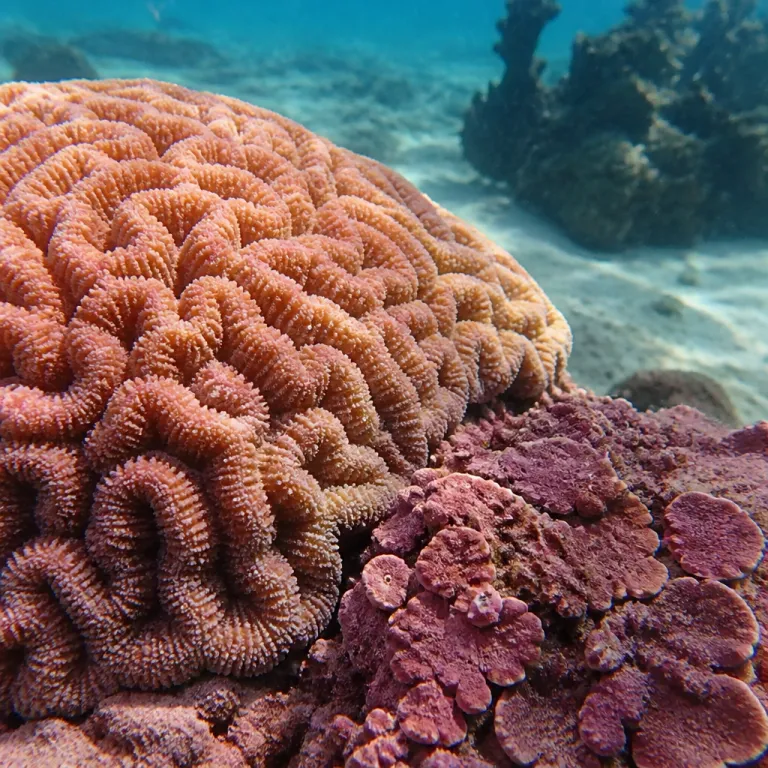
Coral cover remains impressively healthy for such an accessible marine reserve, with hard coral tables, branching thickets and soft coral outcrops sharing space on the reef. The Omani Government’s long standing protection has limited destructive fishing, so you still see dense fish biomass and relatively intact turtle cleaning stations. For divers interested in conservation science, the story here echoes research on deep sea corals and protected areas, such as work on Galápagos deep sea corals and conservation’s blind spots discussed in broader analyses of deep coral conservation and marine protected area design.
Dive conditions and seasons: reading the Arabian Sea
Diving Daymaniyat is possible for much of the year, but conditions shift with the Arabian Sea’s seasonal rhythms. The most settled months for Oman Daymaniyat Islands diving usually run from around October to May, when visibility often ranges between 15 and 25 metres according to local dive operator reports. During these periods, currents are generally manageable for intermediate divers, though some exposed dive sites still demand good control.
Water temperatures hover around 24 to 28 degrees Celsius in the cooler months and can climb higher during the summer months, when plankton blooms may reduce visibility but attract more filter feeders. Many dive professionals in Muscat actually relish these summer months for the chance of richer marine life, even if the sea looks slightly greener from the boat. Underwater photographers who prioritise clear water may prefer the shoulder seasons, when the balance between visibility and marine life feels particularly rewarding.
Most dive centers structure their schedules around two tank Daymaniyat trips, with surface intervals spent drifting in the lee of a Daymaniyat Island or on a small sandy beach where landing is permitted. Certified divers can expect relaxed profiles on the shallower reefs, with optional deeper sections for those with appropriate training and gas planning. Less experienced guests can still enjoy excellent scuba diving on the fringing reef, often no deeper than 18 metres yet rich in coral and schooling species.
As more marine reserves worldwide struggle with pollution and coastal development, the Daymaniyat Islands still feel relatively untouched. That does not mean they are immune to wider threats such as warming seas or land based runoff, issues explored in depth in work on sewage in marine protected areas and the invisible pressures facing coastal reserves. Responsible behaviour from every dive center and every visiting dive professional remains essential if this reef is to stay resilient for the next generation of travellers finning through its channels.
Muscat as a base: logistics, dive centers and low key luxury
Muscat makes an ideal base for exploring the Daymaniyat Islands, combining reliable dive logistics with a quietly elegant city break. Most visitors stay in coastal districts west of the old town, where a string of properties lines the beach and offers easy access to the marina. From here, it is a short transfer each morning to meet your chosen diving center and board the boat for another day at the reserve.
Several PADI dive centers operate between Muscat and Seeb, each with its own style, from no nonsense outfits focused on serious scuba to more relaxed operations that mix snorkelers and divers. When choosing where to book your Oman Daymaniyat Islands diving, look for a dive center that limits group sizes and employs experienced PADI dive professionals who know every reef by name. Ask directly how many divers they put with each guide, whether they rotate dive sites to reduce pressure on the most popular reefs, and if they hold current insurance and emergency oxygen on board.
Boat rides from Muscat’s main marina usually take around an hour, depending on sea state and which Daymaniyat Island the skipper targets first. Many operators include a simple lunch and hot drinks on board, leaving you free to enjoy the surface interval on deck or on a small beach within the reserve. Travellers who prefer a slower pace sometimes arrange private Daymaniyat trips, trading a higher price for a quieter boat and more flexible dive planning, often with a customised two dive itinerary tailored to experience level.
Compared with Egypt or the Maldives, Oman offers a different kind of luxury for dive focused travellers. Political stability, low diver density and a genuine wilderness feel at the islands matter more here than overwater villas or elaborate buffets. For a deeper look at how safety culture and risk awareness shape smart dive travel decisions, especially after high profile incidents elsewhere, consider wider discussions of what recent cave tragedies mean for dive travellers and how to assess operator standards before you book.
Beyond the Daymaniyats: wider Oman for serious divers
While many visitors focus solely on islands diving at the Daymaniyat reserve, Oman rewards those who stay longer and range wider. South of Muscat, the rocky inlets of Bandar Khayran offer sheltered bays, wrecks and coral slopes that complement the open sea feel of the islands. To the north, the Musandam Peninsula delivers dramatic fjord like scenery and stronger currents for advanced dive itineraries.
Farther south again, the Hallaniyat Islands tempt experienced visitors with seasonal encounters and a more remote expedition style of diving. Here, the sea feels wilder, the infrastructure lighter and the sense of exploration stronger than around Muscat’s well organised marina. Linking a few days of Oman Daymaniyat Islands diving with a short Hallaniyat or Musandam extension creates a full arc of Middle East marine experiences in a single trip.
Across these regions, you will find a mix of PADI dive centers and smaller independent outfits, many run by long term residents who have watched local marine life change over decades. Ask them about shifts in coral health, new species sightings or how the reserve rules at the Daymaniyat Islands have influenced fishing practices along the coast. Their lived experience often tells you more than any brochure about why this nature reserve still feels vibrant when other reefs in the region struggle.
Frequently asked questions from first time visitors capture the essence of the area’s appeal and its rules. “What marine life can be seen?”, “When is the best time to visit?”, and “Are permits required?” all have reassuringly clear answers from local authorities and operators, who can explain current regulations, seasonal highlights and how far in advance to secure a Daymaniyat Islands permit, usually at least a few days before your planned departure.
FAQ
What is special about oman Daymaniyat Islands diving compared with other regional reefs ?
The Daymaniyat Islands combine low diver density, strong legal protection and a crossover of Indian Ocean and Arabian species that you rarely see together elsewhere in the Middle East. You get the biodiversity and coral cover many travellers associate with more famous destinations, but without the package tourism crowds. For couples and small groups, that means quieter boats, more intimate encounters with marine life and a stronger sense of being inside a genuine nature reserve.
Do I need to be a certified diver to enjoy the Daymaniyat Islands ?
Certified divers will get the most from the deeper reef walls and more advanced dive sites, but non divers are not excluded from the experience. Many Muscat based operators offer PADI Discover Scuba Diving experiences and guided snorkelling Daymaniyat trips for guests who are not yet certified. If you plan to complete a PADI dive course, consider doing the theory and pool work at home, then finishing the open water dives in Oman’s clear sea under the supervision of a qualified instructor.
How long is the boat ride from Muscat or Seeb to the islands ?
Most boats depart from a marina in Muscat or from the smaller harbour near Seeb, with journey times typically between 45 minutes and 1 hour 15 minutes. The exact time depends on sea conditions, the speed of the boat and which Daymaniyat Island you visit first. Operators usually plan for a full day on the water, including two dives, surface intervals and a relaxed return cruise along the coast.
When is the best time of year to plan a trip ?
The most reliable conditions for Oman Daymaniyat Islands diving generally fall between about October and May, when seas are calmer and visibility is often at its best. Shoulder seasons such as April to May and September to November balance clear water with rich marine life, including a good chance of turtle and reef shark encounters. During the hotter summer months, some divers still visit for the increased plankton and potential pelagic sightings, but they accept shorter visibility in exchange.
Are there strict rules inside the Daymaniyat Islands nature reserve ?
Yes, the Daymaniyat Islands are a formally designated nature reserve with clear regulations designed to protect coral, turtles and other marine life. Anchoring on the reef is banned, landing on certain beaches is restricted during turtle nesting periods, and touching or harassing marine species is prohibited. Reputable dive centers brief guests thoroughly on these rules and use fixed moorings, ensuring that every Daymaniyat experience supports long term conservation rather than undermining it, and that your permit remains valid for future visits.