From open water diver to overhead explorer
The phrase “cave diving training recreational divers” sounds intimidating, yet the pathway is structured and surprisingly elegant. A recreational open water diver with solid buoyancy and trim can, with the right training course and mindset, progress safely into cavern diving and eventually into full cave environments. The 2023 Maldives accident, in which experienced Italian divers died in an unmapped underwater cave near Alif Dhaal at roughly 50 metres, widely reported in international and Maldivian media, underlines why this progression must be deliberate, supervised, and rooted in respect for the overhead.
Training agencies such as PADI, Global Underwater Explorers (often shortened to GUE), and the National Speleological Society Cave Diving Section (usually written as NSS CDS or simply CDS) have built a clear ladder for any diver who wants to learn overhead skills. At the entry level, a Cavern Diver course keeps you in the natural light zone of the cave, always able to see the open water exit while you practise guideline work, gas planning, and emergency drills. Above that, Intro to Cave and then Full Cave diver training expand penetration distance, complexity of cave dives, and the technical diving equipment you carry, but each step assumes that the previous skills are reflexive.
For recreational divers who travel frequently, the appeal is obvious and powerful. You can align each stage of cave training with a destination that feels like a proper holiday, rather than a boot camp. A long weekend in north Florida for a Cavern Diver course, a week in Mexico’s cenotes for apprentice cave level dives, and perhaps a future pilgrimage to the Lot Valley in France for advanced cave experience; each trip adds both skills and unforgettable dives.
The certification ladder and why the labels matter
Before you book any cave diving training, you need to understand what each diver certification actually allows you to do. Cavern Diver, Intro to Cave, Apprentice Cave, and Full Cave are not marketing terms; they are legal and ethical boundaries that define how far from open water a diver may go, how complex the cave dives may be, and what equipment and gas planning are mandatory. Agencies such as PADI, GUE, and NSS CDS align broadly on these limits, even if the course names, regional standards, or course days differ slightly.
At Cavern Diver level, you remain within the daylight zone of the cave, typically no more than about 60 metres from the surface and with a conservative depth limit that keeps you in standard recreational diving parameters, although exact figures vary by agency and local regulation. You follow a permanent guideline from open water into the cavern, carry at least two lights, and maintain a strict gas rule, often the classic “thirds” even for relatively short cavern dives. Intro to Cave and Apprentice Cave training then extend penetration, introduce complex navigation such as T junctions and jumps, and require more advanced cave skills like lost line drills, zero visibility exits, and team communication in flowing water.
Only with Full Cave diver status are you considered trained for complex cave dives with multiple restrictions, significant distance from the entrance, and sometimes extended range depths that border on technical diving profiles. The Maldives accident illustrates what happens when divers with strong open water and even scientific diving résumés enter a cave system without this full cave training framework. For a deeper look at how different underwater caves shape these standards, the guide to the world’s most captivating underwater caves to explore sets useful context for planning where each certification level might take you.
Florida springs and Mexican cenotes: training grounds that feel like holidays
If you are a recreational diver who travels for both work and pleasure, north Florida and Mexico’s Yucatán peninsula should sit high on your cave training shortlist. The Florida cave systems around High Springs and Live Oak, including Ginnie Springs and the Devil’s system, offer clear freshwater, predictable conditions, and a dense community of cave divers, instructors, and guides. That concentration of expertise means you can schedule a Cavern Diver or Intro to Cave diver course over four to six course days, then stay on to log supervised cave dives that consolidate your new skills.
North Florida’s springs are also forgiving in terms of logistics; you can fly into major hubs, rent a car, and be at a Florida cave site within a few hours, with dive centres that understand both technical diving and the needs of travelling executives on tight schedules. Many visiting divers pair a Cavern Diver course with a few extra days of guided cave dives, using the stable 22 °C water and high visibility to refine buoyancy, propulsion, and guideline etiquette. For those aiming at extended range or advanced cave ambitions, repeated trips to the same cave systems build a deep mental map of flow patterns, silt pockets, and emergency exit options.
Across the Gulf, the cenotes near Tulum in Mexico offer a different flavour of cave diving training for recreational divers. Here, the play of light in the cavern zone, the haloclines where fresh and salt water meet, and the delicate decorations demand precise control and respect for silt, a topic explored in depth in this analysis of cenote visibility and preservation. Many divers start with cavern diving tours in the open water light zone, then return for a structured diver course that leads toward cavern diver certification and, eventually, apprentice cave or full cave training.
What cavern diving feels like when you come from the reef
For most recreational divers, the first cavern dive is less about adrenaline and more about sensory recalibration. You leave open water and pass under the rock, following a guideline into a space where daylight still filters in, but shadows deepen and your primary light becomes part of your communication. The water often feels clearer and calmer than the ocean, yet every fin kick, every exhalation, and every hand movement has amplified consequences for visibility and safety.
During a well run Cavern Diver course, your instructor will use these first cavern dives to hard wire a new mental model of risk and control. You will learn to read the cave ceiling and floor for fragile formations, to keep your fins high and your kicks narrow, and to treat the guideline as your lifeline rather than a casual reference. Gas planning shifts from “back on the boat with fifty bar” to precise thirds or sixths, with the understanding that any problem inside the cavern or cave must be solved before you reach open water again.
Agencies emphasise that cavern diving stays within the light zone, while cave diving goes beyond into areas where you may lose natural light entirely, and that simple distinction should echo in your head every time you approach an overhead. The red line for recreational divers is clear: without formal cave training, you do not pass the point where daylight disappears, the permanent line ends, or your guide signals that the dive plan stops. The temptation to go “just a little further” has killed many cave divers, and the Maldives case shows that experience in other environments does not compensate for missing cave specific skills.
Gear shifts, red lines, and planning trips that respect the overhead
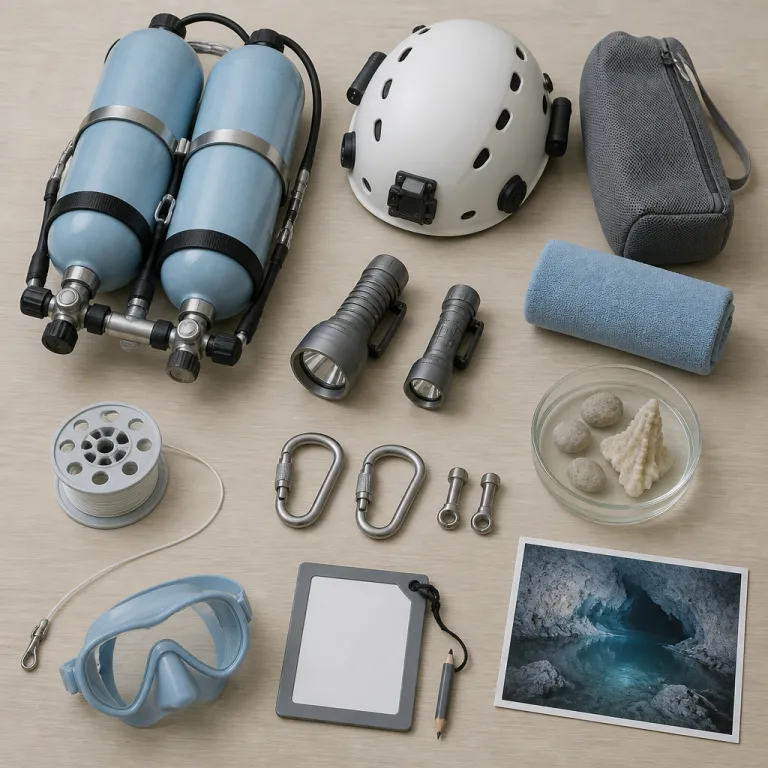
Moving from open water diving into cavern and cave environments does not require you to become a full technical diving obsessive overnight, but your equipment and mindset will evolve. At the cavern diver stage, most divers still use a single back mounted cylinder, yet they add redundant lights, a primary reel, a cutting device, a backup mask, and a more streamlined configuration that reduces entanglement risks. As you progress into apprentice cave and full cave diver training, sidemount or twinset configurations, redundant regulators, and more sophisticated gas planning become standard, especially for extended range or complex cave dives.
Training agencies such as GUE and NSS CDS are meticulous about how these gear changes are introduced, which is why a structured diver course matters more than ad hoc mentoring from a well meaning friend. Typical prerequisites include an advanced open water certification, 25–50 logged dives, and recent experience in buoyancy control and navigation, though exact numbers depend on the agency. Course days are not just about ticking skills; they are about building a calm, repeatable way of thinking under the overhead, so that a lost line drill or light failure feels like a rehearsed scenario rather than a crisis.
For business travellers extending a trip, that might mean pairing meetings in the Gulf region with a side journey to the Daymaniyat Islands in Oman for blue water dives, using this Arabian Sea diving guide as a reference, then scheduling a separate, focused week in north Florida or Tulum for cave training. Keeping overhead diving and open water leisure dives on different days helps you arrive rested, mentally sharp, and fully briefed for each cave dive. The reward is a portfolio of experiences where every cavern, every Florida cave, and every advanced cave trip feels earned, not improvised.
FAQ
What is the difference between cavern and cave diving?
Cavern diving stays within the light zone; cave diving goes beyond. In practice, that means cavern divers always remain close enough to see the open water exit, while cave divers with full cave training may penetrate far into the system, relying entirely on guidelines and artificial light.
Do I need special certification for cavern diving?
Yes, certifications like PADI Cavern Diver or equivalent are required. Even if you are an experienced open water diver, overhead environments demand specific skills in guideline use, gas management, and emergency procedures that are only covered in a dedicated cavern diver course.
Are there age restrictions for cavern diving?
Minimum age is often 18 years for many stand alone cave diving programmes, but some agencies and regions permit younger divers, typically 15 or 16, with parental consent and additional screening. Always check the current standards of your chosen training agency and any local legal requirements before booking.
How should I choose a destination for my first cavern diver course?
Look for destinations with stable conditions, clear water, and a strong community of certified cave divers and instructors, such as north Florida springs or the cenotes near Tulum. Check that the operator works with recognised agencies like PADI, GUE, or NSS CDS, and that your course days include both classroom theory and multiple supervised cavern dives that cover gas planning, line handling, and emergency drills.
Can I join a cave dive as a recreational diver without full cave training?
You should not enter any overhead environment beyond the cavern light zone without appropriate cave training and diver certification. Responsible guides will limit recreational divers to cavern diving within strict limits, and any offer to take you deeper into a cave system without proper training is a red flag you should decline.