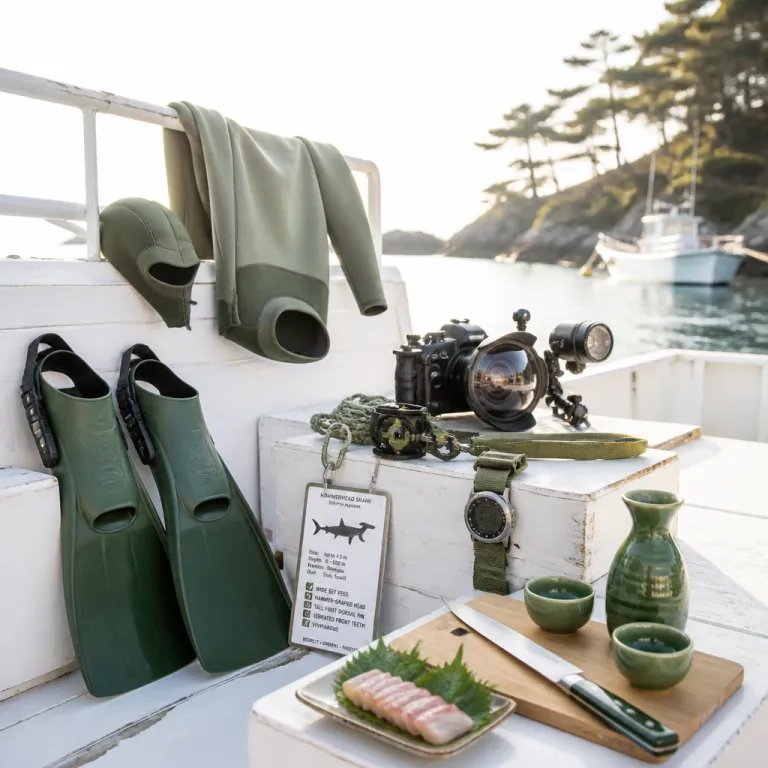
Japan Izu Peninsula diving for couples who travel to eat
Diving on Japan’s Izu Peninsula sits in a sweet spot for couples who care as much about dinner as their first descent of the day. The peninsula curves south from Tokyo like a green arm, wrapping quiet coves, fishing harbours, and some of the most varied scuba diving in Japan into one compact area. You can leave Tokyo after breakfast, step off the train at Atami Station before lunch, and be planning afternoon dives with a local dive center such as Atami Scuba or Dive Station Atami while the water still holds the night’s cool.
This is not a single famous dive site but a mosaic of locations, each with its own rhythm, visibility, and marine life story. East Izu offers easy access and well organised scuba diving infrastructure around hubs like Futo and Izu Ocean Park, while the west coast leans more rural, with Minami Izu villages where local fishermen still supply the evening sashimi platters. For many divers, the real dream here is the balance; you can log serious dives with experienced guides in the morning, then soak in an onsen and explore sake bars and izakaya counters at night.
The area has more than 30 recognised dive sites, from sheltered shore entries to offshore boat diving around rocky islets, according to Shizuoka Prefecture tourism data and Japan National Tourism Organization materials. Depth meters on most recreational dives stay in the 18 to 30 metre range, with some walls and pinnacles dropping beyond that max depth for technical teams. Because the water is temperate rather than tropical, expect kelp forests, soft corals, and dense schools of fish instead of postcard coral gardens, yet the underwater scenery feels no less cinematic.
Hammerheads off Mikomoto and the reality of the drift
For many visitors, planning an Izu Peninsula dive trip means one thing; hammerhead sharks at Mikomoto Island. This rocky outcrop off Minami Izu is reached only by boat, and every dive here is a boat diving operation run by tightly coordinated local teams such as Mikomoto Hammers and local branches of the Japan Diving Association. The island sits in the path of powerful currents that funnel pelagic fish along the peninsula, turning the surrounding water into a highway for schooling hammerheads when conditions align.
Drift diving is the rule, not the exception, and operators treat each dive as a serious open ocean excursion rather than a casual shore dive. Briefings cover negative entries, staying close to the guide, and monitoring depth meters carefully as the reef slopes away from the main dive site into blue water. On a good day, experienced divers drop into clear water, hang at a max depth agreed in advance, and watch lines of hammerheads materialise from the blue like a slow moving train.
The hammerhead season at Mikomoto typically runs from late June through October, based on long term logs kept by local operators and seasonal reports compiled by regional tourism offices, yet every day is a hammerhead lottery with no guarantees. Some dives bring dense schools of sharks and pelagic fish sweeping past in the current, while other dives offer only scattered silhouettes and the consolation of rich marine life on the reef. For travellers who enjoy cold water diving and temperate seas, Mikomoto feels like a Japanese counterpart to other current swept shark hotspots mentioned in guides to the world’s most captivating cold water diving destinations, but with the added reward of a hot bowl of ramen waiting back in Minami Izu.
Shore diving at Osezaki and Izu Ocean Park’s macro playgrounds
Move north along the coast and the character of Izu Peninsula scuba diving shifts from big animal drama to meticulous detail. Osezaki on the western side and Izu Ocean Park (often abbreviated as IOP and sometimes written as Izu Oceanic Park) on the east Izu coast are the peninsula’s shore diving workhorses, beloved by local divers who return weekend after weekend. Both areas offer protected entries, clear navigation lines, and a mix of sandy slopes and rocky outcrops that reward slow, careful dives.
At Osezaki, the main shore dive site unfolds in layers; a shallow training zone near shore, then a gradual descent past scattered boulders into deeper water where cold currents brush the bottom. Here, macro creatures hide among hydroids and sponges, from frogfish and seahorses to a kaleidoscope of nudibranchs that rival famous macro destinations worldwide. Many scuba diving photographers treat this single site as their personal underwater studio, logging multiple dives a day to chase one perfect frame.
Across on the east Izu side, Izu Ocean Park feels more like an oceanic park built for divers, with wide concrete entries, gear benches, and a clear route to the main reef. The official facility name appears as Izu Ocean Park Diving Center in English, yet locals simply call it IOP, and its dive sites combine easy access with surprising depth meters that allow both training dives and more advanced profiles. If you are drawn to tiny subjects, read up on why the world’s best tiny creature photography often happens in the least glamorous sites, then bring that mindset here; the macro creatures and subtle marine life behaviours around IOP’s rocks can turn a single shore dive into a three hour meditation.
From Atami onsens to Shimoda sashimi: eating your way between dives
Surface intervals on the Izu Peninsula are not an inconvenience; they are the point. Atami, the main gateway town, rises steeply from the bay, its streets layered with onsen ryokan, retro cafés, and seafood restaurants that still buy directly from local fishermen. Many couples base themselves near Atami Station for easy rail access, then use local buses or a rental car to reach their chosen dive center each day.
North of Atami, day trips to Numazu bring you to one of Japan’s most interesting deep sea fish markets, where stalls display species you may have just seen underwater. South toward Shimoda, menus highlight kinme dai, the golden eye snapper that defines local gastronomy, served as sashimi, grilled fillets, or simmered in soy rich broth after a morning of dives. This culinary dimension turns an Izu Peninsula dive holiday into a full sensory itinerary, where each dive site has a corresponding dish and every evening becomes a debrief over sake and seasonal small plates.
Beyond restaurants, sake breweries within day trip range open their doors for tastings that fit neatly between morning and afternoon dives. Some operators even coordinate informal culinary workshops, where visiting divers learn to prepare simple dishes using the same fish that appear on local izakaya counters. For marine travellers who enjoy slow journeys shaped by tides and coastal towns, the rhythm here feels familiar; long days shaped by water, then unhurried evenings shaped by food, hot springs, and the quiet satisfaction of logged dives.
Logistics, language, and why Izu rewards the patient diver
Planning an Izu Peninsula diving itinerary starts in Tokyo, where frequent trains run down the coast to Atami and beyond. The ride takes around 50 minutes on the JR Tokaido Shinkansen from Tokyo Station to Atami, or about 90 minutes on regular limited express services, making it realistic to pair a multi day dive trip with urban bookends in the capital. Once in the area, local dive centers handle most logistics, from tanks and weights to arranging boat diving at offshore sites or guiding shore dives at Osezaki, Izu Ocean Park, and other popular dive locations.
Language can feel intimidating, yet operators used to international guests make it workable for non Japanese speakers. Many dive instructors have enough English to brief dives clearly, explain max depth limits, and outline emergency procedures, while written materials at each dive site often include bilingual diagrams of the underwater area. The local tourism board notes that “In tourist areas, basic English is understood.”, which matches the experience of most visiting divers who approach interactions with patience and respect.
Costs surprise many travellers used to tropical Asia, because while individual dives may price slightly higher, the overall value balances out once you factor in food quality and accommodation standards. A typical day might include two or three dives, a simple lunch near the park or harbour, then an elaborate kaiseki style dinner back at your inn that showcases regional fish and seasonal vegetables. For couples who care about eco tourism and supporting local businesses, this model aligns neatly with the region’s goals; local fishermen supply the sashimi, sake brewers craft the evening drinks, and dive centers act as stewards of the marine life that keeps divers returning to these sites year after year.
Sample 3 day Izu Peninsula dive itinerary: Day 1: travel from Tokyo to Atami, check in at an onsen ryokan, and complete two afternoon shore dives at a nearby east Izu site. Day 2: join a full day boat trip to Mikomoto Island for advanced drift dives, then return to Minami Izu for ramen and a hot spring soak. Day 3: finish with relaxed macro focused shore diving at Osezaki or IOP, enjoy a final seafood lunch in Numazu or Atami, and ride the train back to Tokyo in the evening.
FAQ
What is the best time to visit the Izu Peninsula for diving ?
Spring and autumn offer mild weather, comfortable water temperatures, and generally stable conditions for Izu Peninsula scuba diving. Hammerhead focused trips to Mikomoto Island work best in the warmer months, when pelagic fish activity peaks around the peninsula. Winter brings clearer water and excellent visibility, which many experienced divers prefer for macro focused dives at Osezaki and Izu Ocean Park.
Are there beginner friendly dive sites on the Izu Peninsula ?
Yes, several sites cater to novices, especially in sheltered bays and managed facilities such as Izu Ocean Park. Osezaki’s inner area offers gentle slopes and easy navigation, making it ideal for first open water dives or refresher sessions. New divers should start with shore dives in these controlled environments before considering more advanced boat diving at offshore sites.
Is English widely spoken around Izu’s dive centers and towns ?
In major hubs like Atami and popular dive areas on the east Izu coast, many staff members understand basic English related to scuba diving and hospitality. Briefings at larger dive centers often include key safety points in English, and signage at facilities such as Izu Ocean Park is usually bilingual. Away from these hubs, English becomes less common, so carrying written details and using translation apps helps smooth daily interactions.
How many dive sites are there on the Izu Peninsula, and how long should I stay ?
Regional tourism data indicates around 30 recognised dive sites across the Izu Peninsula, ranging from easy shore entries to advanced offshore pinnacles. A focused itinerary of five to seven days allows time to sample Osezaki, Izu Ocean Park, and at least one day of boat diving at Mikomoto or other offshore reefs. Many couples pair this with a few nights in Tokyo, using the capital as a cultural counterpoint to their coastal dives.
What should I know about respecting marine life and local culture while diving in Izu ?
Operators emphasise three simple principles; book dives in advance, try local specialties, and respect marine life. Underwater, that means maintaining good buoyancy, avoiding contact with sea turtles, macro creatures, and reef structures, and following your guide’s instructions at every dive site. On land, supporting small restaurants, sake breweries, and family run inns helps sustain the communities that make an Izu Peninsula dive trip such a rich cultural and gastronomic experience.
Sources
Japan National Tourism Organization; Japan Diving Association; Shizuoka Prefecture tourism resources; JR East and JR Central timetable information; local operator briefings from Mikomoto Hammers and Atami based dive centers.