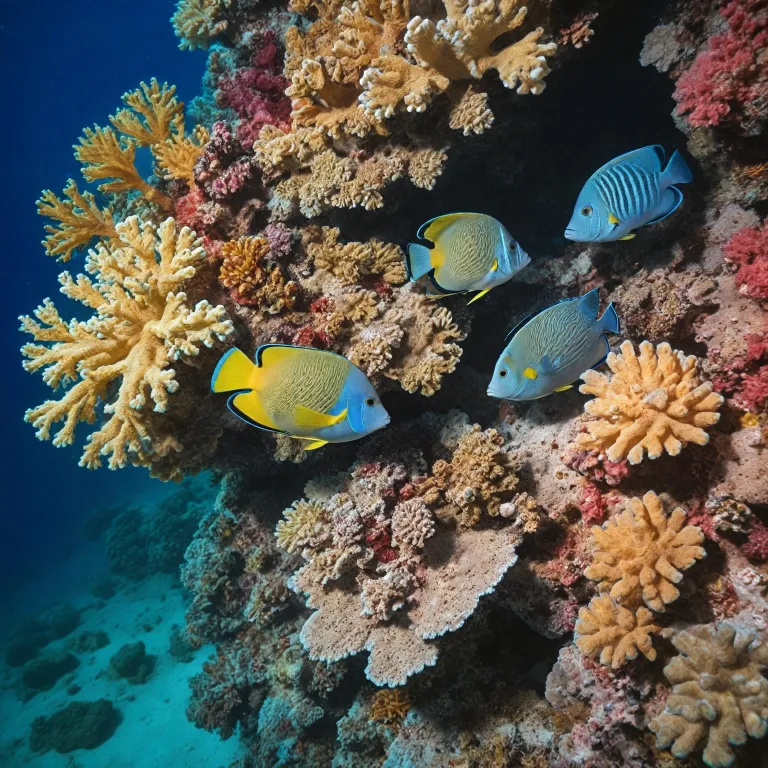
The underwater world of Cozumel: a haven for fish and marine animals
Cozumel, located off the coast of Mexico in the Caribbean Sea, is renowned for its dazzling marine life and thriving coral reefs. The island’s waters are home to an impressive array of fish species, including the iconic queen angelfish, honeycomb cowfish, and great barracuda. With over 260 species of fish, Cozumel offers an unparalleled opportunity for divers and marine enthusiasts to observe the vibrant colors and unique behaviors of these marine animals. The reefs of Cozumel, such as those within the Cozumel Reefs National Park, are teeming with life, from the bluestriped grunt to the elusive spotted moray eel.
Marine life flourishes here thanks to the protection of 12,000 hectares of marine and coastal habitats. The coral reefs serve as both a sanctuary and a nursery for countless fish, including angelfish, barracuda, and the rare splendid toadfish. The presence of sea turtles and southern stingrays adds to the diversity, making every dive an adventure. The blue and yellow hues of the fish contrast beautifully with the coral, creating a mesmerizing underwater landscape. Whether you are interested in observing a solitary moray eel or a school of blue fish, Cozumel’s reefs provide endless opportunities for exploration.
Visitors are encouraged to respect the delicate balance of this ecosystem by adhering to conservation guidelines. The efforts of organizations like Corales Vivos de Cozumel and the Cozumel Reefs National Park have been instrumental in safeguarding marine life. As you swim among the coral reefs, take a moment to appreciate the intricate relationships between the various species, including the role of the reefs in supporting both fish and marine animals.
Signature species of Cozumel: from angelfish to barracuda
The fish of Cozumel are as diverse as they are beautiful, with each species contributing to the island’s unique marine ecosystem. Angelfish, including the queen angelfish, french angelfish, and gray angelfish, are among the most sought-after sightings for divers. Their vibrant blue and yellow colors stand out against the backdrop of the coral reefs. The honeycomb cowfish, with its distinctive spotted pattern, is another highlight for underwater photographers and marine enthusiasts alike.
Great barracuda are often seen patrolling the edges of the reefs, their sleek bodies and sharp teeth a reminder of the predatory balance within the marine environment. Bluestriped grunts move in large schools, creating a shimmering effect as they navigate the coral formations. The presence of both solitary and schooling fish, including the spotted moray and moray eel, showcases the complexity of the reefs Cozumel is famous for.
Sea turtles, particularly the green and loggerhead species, glide gracefully among the coral, sharing their habitat with southern stingrays and a multitude of smaller fish. The reefs of Cozumel Mexico are a living tapestry, where each fish species plays a vital role in maintaining the health of the ecosystem. For those interested in the conservation status and diversity of these species, detailed guides on Cozumel’s marine life provide comprehensive information.
Coral reefs: the foundation of Cozumel’s marine biodiversity
Cozumel’s coral reefs are the cornerstone of its marine life, providing shelter, food, and breeding grounds for countless fish and marine animals. The reefs, including the famous Palancar and Colombia sites, are home to a dazzling array of species, from the smallest blue fish to the imposing great barracuda. Coral formations create complex habitats that support the life cycles of angelfish, honeycomb cowfish, and bluestriped grunt.
Healthy coral reefs are essential for sustaining the fish populations that attract divers from around the world. The intricate structures of the reefs offer protection for juvenile fish, including the rare splendid toadfish, which is endemic to Cozumel. The interplay between coral, fish, and other marine animals highlights the importance of preserving these habitats.
Recent conservation efforts have focused on combating threats such as illegal fishing and habitat destruction. Organizations like Corales Vivos de Cozumel monitor the health of the reefs and report on activities that may harm marine life. For those planning a dive trip, understanding the significance of coral reefs and their role in supporting fish Cozumel is crucial. Learn more about the importance of coral reefs and their inhabitants at Cozumel’s coral reef conservation.
Conservation challenges: protecting Cozumel fish and marine life
Despite the abundance of marine life, Cozumel faces significant challenges in preserving its fish populations and coral reefs. Illegal fishing, habitat degradation, and the impacts of climate change threaten the delicate balance of the ecosystem. The mass killing of parrotfish, for example, has sparked increased conservation efforts and community involvement.
Marine patrols and surveillance, along with scientific research, are vital tools in monitoring the health of the reefs and fish populations. Legislation and enforcement of fishing regulations help protect endangered species, including the spotted eagle ray and the splendid toadfish. Community engagement and education play a crucial role in fostering a culture of conservation among locals and visitors alike.
Tourists can contribute to these efforts by choosing eco-friendly tour operators and adhering to guidelines when snorkeling or diving. As one expert notes, "Tourists can support conservation by choosing eco-friendly tour operators, following guidelines to protect marine life, and participating in local conservation programs." By respecting the marine environment, visitors help ensure that future generations can enjoy the beauty of Cozumel fish and the vibrant reefs of the Caribbean Sea.
Responsible diving and marine travel in Cozumel
Responsible diving practices are essential for protecting the reefs Cozumel is known for and the fish species that inhabit them. Divers are encouraged to maintain buoyancy control, avoid touching coral, and refrain from feeding marine animals. These simple actions help preserve the integrity of the coral reefs and prevent harm to sensitive species like the queen angelfish and honeycomb cowfish.
Supporting local conservation initiatives, such as those led by Corales Vivos de Cozumel, ensures that resources are directed toward monitoring and protecting marine habitats. Participating in educational programs and guided dives with certified professionals enhances the experience while promoting sustainable tourism. Adhering to established guidelines not only safeguards marine life but also enriches the diving experience by allowing for closer, more respectful encounters with fish Cozumel and other marine animals.
Sharing experiences and knowledge through platforms such as "share Facebook" and "leave comment" sections on marine travel blogs fosters a sense of community among divers and conservationists. Engaging with others by posting comments and sharing insights helps raise awareness about the importance of preserving Cozumel’s marine biodiversity. Every comment and shared story contributes to a broader understanding of the challenges and successes in marine conservation.
Engaging with Cozumel’s marine community: sharing experiences and supporting conservation
The marine community in Cozumel thrives on collaboration between local organizations, international partners, and visitors. Initiatives led by groups like Corales Vivos de Cozumel and the Cozumel Reefs National Park have resulted in increased community involvement and advancements in marine monitoring technologies. These efforts are crucial for maintaining the health of the coral reefs and the diverse fish populations they support.
Visitors are encouraged to engage with the local community by participating in conservation programs, attending educational workshops, and supporting sustainable tourism practices. Sharing experiences through online platforms, including "leave comment" and "share Facebook," helps spread awareness and encourages others to adopt responsible behaviors. The exchange of information and feedback, whether through posted comments or direct engagement, strengthens the collective effort to protect Cozumel’s marine life.
By fostering a culture of stewardship and respect for the marine environment, everyone can contribute to the preservation of Cozumel fish, coral reefs, and the broader ecosystem. The ongoing collaboration between conservation authorities, tourists, and local residents ensures that the beauty and diversity of the Caribbean Sea remain accessible for generations to come.
Key statistics on Cozumel fish and marine biodiversity
- Number of fish species in Cozumel: 262 species
- Area of Cozumel Reefs National Park: 12,000 hectares
- Spotted eagle rays listed as endangered
Frequently asked questions about Cozumel fish and marine travel
What are some endemic fish species in Cozumel?
The splendid toadfish (Sanopus splendidus) is a notable endemic species found primarily in Cozumel's reefs.
How can tourists contribute to marine conservation in Cozumel?
Tourists can support conservation by choosing eco-friendly tour operators, following guidelines to protect marine life, and participating in local conservation programs.
What are the main threats to Cozumel's marine life?
The primary threats include illegal fishing, habitat destruction due to coastal development, and the impacts of climate change.
References:
Cozumel Reefs National Park: https://thisiscozumel.com/tourist-info/118-marine-park/718-marine-park
Corales Vivos de Cozumel: https://mexicodailypost.news/2025/02/21/ecological-crisis-in-cozumel-mass-killing-of-parrotfish-sparks-outcry/
Cozumel Marine Life: https://cozinfo.com/cozumel-marine-life-spotted-eagle-rays/