When scuba diving certifications are worth it – and when they are not
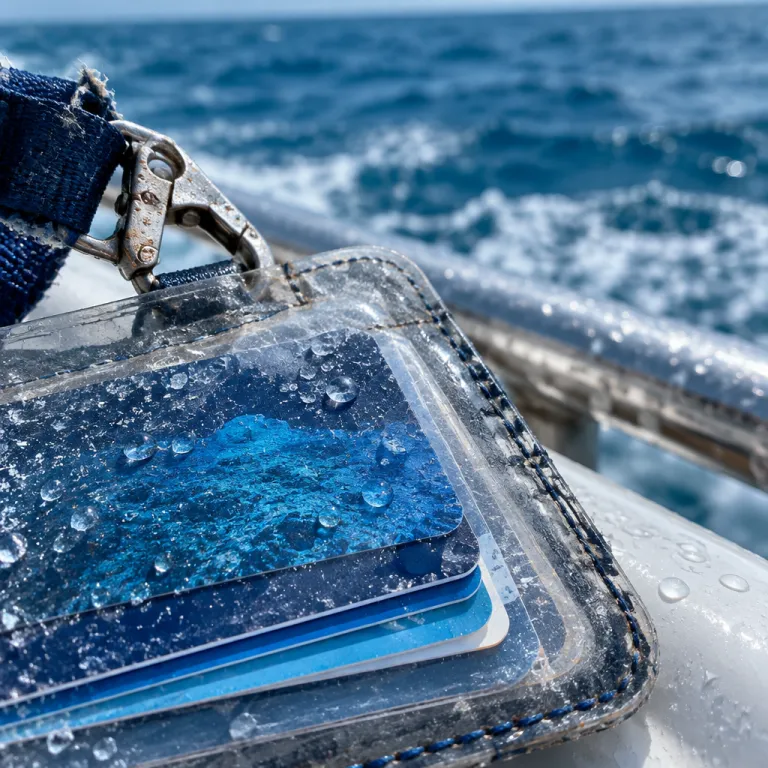
Walk into any tropical dive shop and the wall of plastic cards can feel like a scoreboard. The scuba industry has turned every new scuba diving certification into a milestone, and many divers quietly wonder whether all those scuba diving certifications are worth it for the way they actually dive. For a solo explorer planning marine travel, the real question is simple yet uncomfortable.
Will the next scuba course genuinely sharpen your underwater judgement, or just add another logo to your wallet while your core scuba skills stay flat? Training agencies and centres rarely frame it this way, because every new diver course, every extra diver certification, is also a revenue stream in a competitive travel market. The result is an informal certification arms race where divers feel pressure to keep buying levels instead of buying time in the water.
Think about your own learning scuba journey so far. Your first open water certification probably changed everything, because that open water diver course turned you from a snorkeller into a scuba diver with basic safety skills. After that, the value of each new diving scuba qualification depends less on the agency logo and more on whether it matches the dive site conditions and marine life you actually seek.
The business behind the plastic
Every scuba training agency, from PADI to SSI and NAUI, runs on a simple engine. Courses generate agency fees, keep the local PADI dive centre busy, and give freelance instructors a way to earn a living between seasons of guiding scuba divers. That does not make the system bad, but it does mean the incentives around scuba diving certifications worth it are not neutral.
When you sign up for an open water scuba dive course on a short island trip, the dive shop often has a script. You finish your first diver training, and before you have logged ten dives, someone suggests an advanced diver course, a navigation specialty, maybe a night diving scuba add on, all bundled into a neat package. For a traveller with limited time, it feels efficient, yet it quietly replaces unstructured practice dives with more classroom hours.
On liveaboards and resort based operations, the upsell can be even stronger. A PADI instructor may be under subtle pressure from management to promote the next PADI dive course, because more certifications per guest improve the centre’s monthly numbers and perceived authority. None of this is inherently unethical, but it explains why many water scuba travellers end up with a stack of cards and relatively few varied dives in challenging water.
Card collecting versus real competence
There is a difference between being certified and being capable. A diver with ten specialty cards and thirty logged dives often has less control in the water than a local water diver who has spent years on the same reef, refining buoyancy and trim on every single dive. The certification arms race confuses paper progress with embodied skills.
Real competence comes from repetition under varied conditions, guided by someone who will give honest feedback rather than just sign off another diver course. That mentor might be a seasoned PADI instructor, a local PADI divemaster, or simply a very experienced buddy who knows the dive site like home. What matters is that your learning scuba path prioritises time underwater over time filling out forms.
When you evaluate whether scuba diving certifications are worth it, ask yourself how often you have practised each skill since the last course. If you have not deployed a DSMB since your open water training, another plastic card will not fix that gap. Only deliberate practice in real water, with a thoughtful diver beside you, will turn theoretical scuba skills into instinct.
Essential training versus nice-to-have badges
Not all scuba diving certifications are created equal. Some courses fundamentally change what kind of diving you can do safely, while others mainly refine comfort in conditions you already handle. Understanding this hierarchy helps you decide when scuba diving certifications are worth it for your style of travel.
Your initial open water certification is non negotiable, because it teaches the baseline scuba skills needed to function as an autonomous scuba diver within conservative limits. An advanced level diver course, whether branded as Advanced Open Water or similar, can also be valuable when it includes real deep diving, navigation, and buoyancy coaching rather than just a tour of new dive sites. Beyond that, the most impactful training tends to be focused and environment specific.
Nitrox training is a clear example of a certification that earns its keep. A nitrox diver certification extends no decompression limits on many recreational profiles, which is particularly useful on marine life heavy itineraries with repetitive dives, such as liveaboards in the Red Sea or Indonesia. For a travelling scuba diver who wants longer bottom times without entering technical territory, this single course often delivers more real underwater time than several minor specialties combined.
Matching training to your real dives
Before you sign up for another course, map your actual diving scuba plans for the next two or three trips. If you mostly travel to warm water destinations with easy access shore entries and shallow reefs, then a drysuit course may not be the best use of your budget or time. On the other hand, if you are drawn to colder regions like British Columbia or Norway, proper drysuit diver training becomes essential rather than optional.
The same logic applies to deep and overhead environment courses. A deep diver course can be worthwhile when you regularly visit destinations where signature dive sites sit between 30 and 40 metres, such as certain walls in the Maldives or drop offs in Palau. Cave or cavern training, by contrast, should only be considered if you are committed to that environment and ready to invest in extensive diver training, equipment, and mentorship.
For a structured overview of how long it realistically takes to learn dive skills at each level, resources such as the guide on how long it takes to get dive certified for unforgettable marine travel on Blue Dive Adventures can be useful. They remind you that every course has a true time cost, not just a line on your logbook. When you see the full duration laid out, you may decide that more unguided fun dives with a trusted buddy will serve you better than another weekend in a classroom.
Beginner priorities: where your first money should go
If you are still early in your learning scuba journey, prioritise depth over breadth. After your initial open water diver certification, aim for at least twenty to thirty varied dives before stacking more courses, focusing on buoyancy, trim, and situational awareness. Use that period to dive with different instructors and local guides, paying attention to how each one manages gas, current, and group control.
When you do invest in further training, choose courses that directly support the marine life encounters and environments you care about. A peak performance buoyancy workshop with a sharp PADI instructor on a quiet house reef can transform every future scuba dive, from macro muck sites to current swept pinnacles. In contrast, a photo specialty taken before you can hold a stable hover often locks in bad habits that are harder to unlearn later.
Remember that your early dives set the template for your long term diving scuba style. If those first fifty dives are rushed through a conveyor belt of courses, you risk becoming a diver who is always learning on paper and rarely learning in the water. Give yourself the time and space to become truly comfortable underwater before chasing the next level.
The psychology of the next card: status, safety and sales
The certification arms race is not only about business models. It also taps into deep psychological currents that run through the scuba community, especially among divers who travel solo and find identity in their logbooks. A new card feels like progress, a visible marker that you are not just a casual water diver but someone serious about the underwater world.
Agencies and dive centres understand this, and marketing often blurs the line between safety messaging and status signalling. Course names emphasise adventure and mastery, while photos show confident scuba divers framed against dramatic marine life and wreck silhouettes. For a traveller dropping into a new destination, signing up for a diver course can feel like joining an insider club rather than simply buying structured learning.
Social media amplifies this effect. Photos of fresh certifications, tagged with agency logos and exotic dive site names, create a subtle pressure to keep up with peers who seem to be levelling up every season. In that environment, asking whether scuba diving certifications are worth it for your actual diving can feel almost subversive.
Safety narratives and real risk reduction
Safety is the most powerful argument used to justify continuous training. Some of that argument is absolutely valid, because well designed diver training does reduce accidents, especially in complex environments such as overheads, strong currents, or deep walls. However, not every course marketed as a safety upgrade delivers the same return on investment.
Courses that teach gas planning, situational awareness, and emergency procedures tend to offer the greatest real world benefit. A rescue diver course, for example, can fundamentally change how you scan a dive site, how you notice stress in other divers, and how you respond when something goes wrong. In contrast, a lightly taught specialty that mostly involves following an instructor around a familiar reef may add little beyond another stamp on your diver certification record.
When evaluating safety claims, look at the curriculum and the instructor rather than the brochure. Ask how much time will be spent on in water drills versus sightseeing, and how many students will be in the group. A small ratio with a demanding PADI instructor or equivalent often matters more than the specific agency name on the card.
Green badges, blue oceans
Environmental credentials have become another layer in the certification stack. Many dive centres now promote eco themed courses and conservation badges, some of which offer genuine education while others function more as marketing tools. For travellers who care deeply about marine life, it can be hard to tell which is which.
Analyses such as the Green Fins under the microscope piece on Blue Dive Adventures describe how even well intentioned programmes can slide into branding exercises if not backed by rigorous standards and enforcement. The same logic applies to any eco diver course that promises to make you an ocean guardian in a single afternoon. Real conservation impact usually comes from long term behaviour change, support for credible organisations, and choosing operators with strong everyday practices rather than just extra logos.
If you want your training to align with your values, focus on courses that change how you interact with the reef on every scuba dive. A workshop on low impact finning, buoyancy over fragile coral, and respectful wildlife encounters will quietly protect more marine life over your diving lifetime than a one off eco card that never shapes your habits. In this sense, the most meaningful environmental certification is often invisible, written in your trim and your choices rather than on plastic.
Designing a smarter training path: more dives, fewer badges
To step off the certification treadmill, you need a clear framework for your own diving scuba development. That framework starts with an honest audit of your current skills, your typical dive site conditions, and the kind of marine life encounters that truly move you. From there, you can decide which scuba diving certifications are worth it and which can wait.
Begin by listing the environments you actually plan to visit in the next few years. Warm water reef travel in Southeast Asia demands different preparation from cold water wreck diving in the Great Lakes or current heavy channels in the Maldives. For each environment, note the minimum certification level required by reputable operators, then look beyond that baseline to the skills that will make you not just allowed in the water but genuinely comfortable.
Next, separate training that unlocks access from training that refines comfort. Access courses include open water, advanced, nitrox, and any overhead or technical prerequisites needed for specific expeditions. Refinement courses include buoyancy clinics, photography, and many specialties that can be valuable but are not gatekeepers to particular dive sites.
Where real growth happens
Once you have the access levels you need, shift your budget toward experience. Book trips that give you multiple dives on the same site across changing tides and light, ideally with a consistent guide who will critique your water position and gas use. This is where a local PADI professional or equivalent, who has thousands of hours on their home reef, becomes more valuable than any new diver certification.
For divers considering more advanced adventures, such as their first technical trip abroad, planning resources like the guide to planning your first technical diving trip abroad on Blue Dive Adventures can help frame the commitment. They emphasise that serious progression requires not just a course but a long runway of practice dives, equipment familiarity, and mental preparation. In that context, another quick weekend specialty looks less like progress and more like a distraction.
Mentorship is the quiet antidote to the certification arms race. A trusted instructor or senior buddy who knows your strengths and blind spots will tell you when you are ready for the next step and when you need more time in the shallows. That kind of relationship is built over shared dives, not over a sales counter.
Practical rules for your next booking
Before you hand over a credit card for any new course, run through a short checklist. Ask whether this training will open access to new dive sites you genuinely plan to visit, or whether it mainly adds status within the scuba community. Consider whether you could achieve similar gains by booking guided fun dives with a demanding instructor who agrees to focus on coaching rather than ticking off skills for a card.
Set a personal ratio, such as at least ten non course dives for every formal class you take. This simple rule keeps your logbook weighted toward real underwater experience rather than classroom hours, and it forces you to practise each new skill set before layering on another. Over a few seasons, you will notice that your confidence in the water grows faster than your stack of plastic.
Finally, remember that the most impressive divers on any boat are rarely the ones with the thickest wallets of certifications. They are the calm, attentive people who move efficiently, respect the local crew, and surface with gas in reserve and stories about a single nudibranch rather than their own heroics. Aim to become that kind of diver, and you will never again feel rushed into the next card.
Key figures on training, safety and diver behaviour
- Data summarised by the Divers Alert Network indicates that a large proportion of reported scuba incidents involve divers with fewer than 20 lifetime dives, underscoring that early experience and repetition after open water training are critical for safety, not just initial certification.
- Industry surveys cited by major agencies such as PADI report that nitrox certified divers often log more dives per year than non nitrox divers, suggesting that targeted courses which extend bottom time can meaningfully change diving habits and trip planning.
- Research presented at international diving safety conferences has found that rescue trained divers are more likely to recognise and respond to early signs of distress in buddies, supporting the idea that certain higher level courses deliver disproportionate safety benefits compared with many specialty badges.
- Market analyses of the global dive industry estimate that training and certification products account for a substantial share of dive centre revenue, which helps explain the commercial pressure many travellers feel to add courses during short holidays.
- Studies on marine tourism behaviour have shown that divers who receive explicit low impact briefings and buoyancy coaching are significantly less likely to contact coral or disturb marine life, highlighting the value of practical skills focused training over purely theoretical eco certifications.