The mindset shift from reef holiday to technical expedition travel
Technical diving expedition travel begins long before you board a plane. It starts when a recreational diver realises that deep overhead environments demand logistics and discipline more than adrenaline. That quiet shift in mindset is what separates a casual scuba holiday from a serious technical dive journey.
On a reef trip you might plan your dives around breakfast and sunset drinks, while on a technical diving itinerary you plan around gas, decompression and team readiness. Every dive at significant depth becomes a small expedition, where breathing, equipment and procedures are rehearsed until they feel unremarkable. The reward is not just going deeper in meters or feet, but entering complex underwater spaces with calm, methodical focus.
Think of yourself less as a tourist and more as an expedition technical diver managing risk in a remote environment. Technical divers treat each dive as a project with clear objectives, defined turn points and conservative limits. That mindset makes technical diving safer, and it also makes technical diving expedition travel more satisfying because every decision feels intentional rather than improvised.
Building the training ladder around your travel plans
The honest path from reef to expedition runs through structured training, not shortcuts. Before booking ambitious technical dives abroad, you need a solid base of recreational diving experience and comfort at moderate depth. Only then does it make sense to layer formal diving courses that introduce decompression, gas planning and advanced equipment.
Many divers treat the training ladder like a travel calendar, stacking an extended range course with decompression dives during one trip, then adding hypoxic trimix or an intro to cave diving on the next. That approach works only if you leave enough time between trips to consolidate skills in familiar dive sites at home. Rushing from one technical diving card to another without practice turns every deep dive into a test rather than a controlled experience.
If you are considering serious scuba diving travel, read in depth about how serious divers master deeper, safer underwater travel in this guide on taking your diving advanced. Treat each technical diver qualification as a license to practice, not a ticket to the next depth. The goal is to arrive on your first expedition already fluent in gas management, decompression procedures and team communication, so the new variables are the environment and not your basic skills.
Choosing the right operator for technical diving expedition travel
Selecting an operator for technical diving expedition travel is less about glossy photos and more about infrastructure. You are looking for a centre that treats gas, equipment and emergency planning with the same seriousness that you bring to your dives. That means asking detailed questions long before you send a deposit.
A credible operation will explain how they handle nitrox, trimix and hypoxic trimix blending, what backup compressors and oxygen supplies they hold, and how they support both open circuit and rebreather diving. They should be transparent about maximum planned depth in meters and feet, typical decompression profiles and whether technical dives are guided, supervised or fully self led. For rebreather divers, it matters whether they can supply sorb, bailout gas and basic closed circuit support, or if you must bring everything.
Look for operators who run regular technical diving courses, because that usually signals a culture of procedures and checklists. Ask how they manage decompression dives in changing conditions, what their evacuation plan is and how far the nearest chamber is in travel time rather than just distance. Before you ever see the underwater landscape, you want to know that the surface équipe is as strong as the dive guides, and that the operation understands both recreational diving and the very different demands of expedition level technical dives.
For many divers, a key step is first refining buoyancy, trim and propulsion in controlled water, which is why this detailed piece on how an advanced diving course transforms your underwater travel and skills can be a useful benchmark. When an operator talks fluently about gas management, bailout strategies and realistic turn pressures, you are closer to finding the right partner for your first trip.
Destinations that bridge recreational and technical diving needs
The best first expedition destination lets you keep one fin in recreational diving while you test deeper water. Mixed groups work well in places where shallow reefs, walls and wreck diving sit close to serious technical dive sites. That way your non technical buddies still enjoy world class scuba while you quietly extend your range.
Think of Red Sea liveaboards that combine relaxed recreational dives on coral gardens with deeper wreck diving on ships resting at 50 meters, or Caribbean islands where a wall drops from 20 meters to technical depths meters within a short swim. In these locations, a technical diver can plan decompression dives in the morning and still join a gentle underwater cruise in the afternoon. The logistics are easier, and the social side of the trip does not fracture into separate expeditions.
Destinations with both open circuit and rebreather support are particularly useful for teams that include at least one rebreather diver and several recreational divers. You might see closed circuit units heading to 70 meters while others enjoy a relaxed dive at 18 meters on the same mooring. Before committing, ask how the centre schedules technical dives alongside recreational diving, and whether they can adapt boat plans if currents, visibility or gas availability change.
If you are still building confidence, consider spending time in a controlled environment first, and this piece on why training in a scuba swimming pool transforms your first dives explains how that foundation pays off on complex trips. A destination that respects both ends of the spectrum lets you grow into technical diving expedition travel without isolating yourself from the friends who first shared those easy reef dives with you.
Gear, gas and knowing when not to make the dive
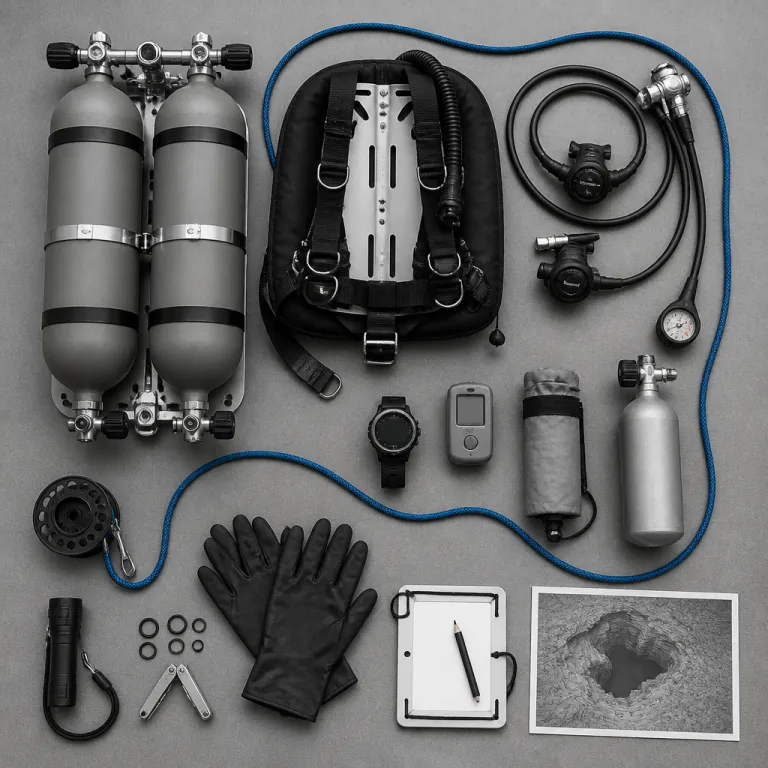
Technical diving expedition travel comes with baggage in every sense. Doubles, stage cylinders, reels, redundant computers and rebreather equipment all add weight, cost and complexity to flights. You need a clear strategy for what to rent, what to ship and what must stay with you at all times.
On open circuit, that usually means travelling with regulators, computers and critical accessories while renting cylinders and some hardware locally, and for rebreather diving it often means flying with the unit, electronics and spares while arranging sorb and gas on site. Every extra piece of equipment increases the chance of delays, so pack with ruthless intention and carry a written configuration list. Treat gas management as a central part of your travel planning, not an afterthought once you arrive at the dive sites.
The most underrated advanced skill is the willingness to turn a dive early or skip it entirely. Fatigue from long travel, unfamiliar teams, marginal weather or a nagging concern about your rebreather can all be valid reasons to stay shallow or stay dry. Technical divers who last understand that not making a deep dive today protects their ability to enjoy many dives in the future.
Whether you are planning decompression dives to 60 meters or a series of more modest technical dives to 40 meters, the decision framework is the same. Ask yourself if the team, gas, equipment, depth and conditions all align with your training and recent experience. If any element feels stretched, remember that diving technical environments is a privilege, and that the real mark of an experienced technical diver is not how deep they go but how consistently they come back with uneventful stories.
FAQ
How much experience should I have before planning technical diving expedition travel ?
You should be fully comfortable with recreational diving first, with at least 50 to 100 logged dives across different environments. Aim to be relaxed at depths around 30 meters, with excellent buoyancy, trim and gas awareness. Only then does it make sense to start formal technical diving courses that introduce decompression and more complex equipment.
Do I need a rebreather for my first technical dive trip abroad ?
A rebreather is not essential for your first technical diving expedition travel experience. Many divers start with open circuit doubles and stage cylinders, focusing on procedures before adding closed circuit complexity. If you later become a rebreather diver, you can then choose destinations and operators that support rebreather diving with sorb, bailout gas and proper maintenance facilities.
How do I choose between wreck diving and cave diving for my first expedition ?
Wreck diving often suits divers who already enjoy maritime history and open water environments, while cave diving appeals to those comfortable in overhead spaces and navigation. For a first technical trip, many people choose wrecks at moderate depth where there is still ambient light and clear exits. Caves demand very specific training and discipline, so they are usually a second or third step after extended range and decompression dives in open water.
What extra costs should I expect on a technical diving trip abroad ?
Beyond normal scuba travel expenses, budget for additional gas charges, especially for nitrox, trimix or hypoxic trimix, as well as higher equipment rental fees. You may also face extra baggage costs for carrying regulators, wings, backplates or rebreather units. Technical dives can require more boat time and support staff, so daily diving rates are often higher than standard recreational packages.
Is it safe to mix technical divers and recreational divers on the same trip ?
It can be safe and enjoyable if the operator is used to running both technical dives and recreational diving from the same boats. The key is clear planning so that depth, gas and run times are appropriate for each group, and no one feels pressured to exceed their limits. Destinations with varied depth profiles allow technical divers to complete deeper decompression dives while friends enjoy shallower underwater sites on the same day.