Why an advanced diving course is the gateway to serious underwater travel
An advanced diving course is the natural next step once an open water diver feels limited by depth and conditions. This level of scuba training opens access to deeper dive sites, more complex underwater environments, and richer marine travel experiences. For divers who plan trips around reefs, wrecks, and pelagic encounters, advanced scuba courses turn casual dives into structured underwater exploration.
Across agencies such as PADI, NAUI, and SSI, the core idea is similar: you complete a series of adventure dives that build specific skills under the guidance of a qualified instructor. These adventure dive experiences usually include deep diving, underwater navigation, and at least three other specialty-style dives tailored to your interests. The result is a diver certification that signals to operators worldwide that you can manage depth, buoyancy, and gas planning with greater confidence in open water, in line with agency standards for advanced-level recreational training.
Most advanced open water programs are designed to be completed in two or three days, often during a marine travel itinerary. A typical schedule blends short classroom or e-learning segments with open water dives that apply theory immediately in real conditions. Because the course structure is modular, divers can learn in tropical water on a liveaboard, at a local quarry, or during a coastal holiday, and the same advanced diver course standards still apply across major training agencies.
Key benefits for the traveling scuba diver
Once you hold an advanced diving course certification, many operators will allow you to join trips to deeper reefs, walls, and wrecks. This is especially relevant in destinations such as the Red Sea, the Maldives, or Mexico’s Pacific coast, where signature dive sites often sit between 25 and 30 metres. With an advanced open water diver card, you can join these dives without constant supervision, which changes the rhythm of your marine travel completely and gives you more freedom to explore.
The training also refines your buoyancy and trim, which protects fragile underwater ecosystems during scuba diving holidays. Better control in the water means fewer accidental fin kicks on coral, less contact with the seabed, and calmer interactions with marine life. Over time, divers who invest in structured courses tend to log safer dives, use less air, and enjoy longer bottom times within no decompression limits, as reflected in agency guidance on progressive training and experience.
For frequent travelers, the flexibility of modern advanced diver courses is a major advantage. Many centers now offer digital theory so you can learn during flights or layovers, then focus on underwater training once you reach your destination. If cost is a concern, some regions offer significantly lower prices for the same international diver certification, and resources such as destinations where dive training costs less can help you plan where to complete your next course and how to stretch your travel budget.
Core skills: deep diving, underwater navigation, and gas management
The heart of any advanced diving course lies in three pillars: deep diving, underwater navigation, and improved gas awareness. During the mandatory deep adventure dive, you will descend beyond the 18 metre limit of basic open water training, usually to around 30 metres. Under close supervision from a PADI instructor or another agency professional, divers learn to monitor gas consumption, recognize narcosis, and manage ascent rates with precision, following depth and ascent recommendations published in agency course outlines.
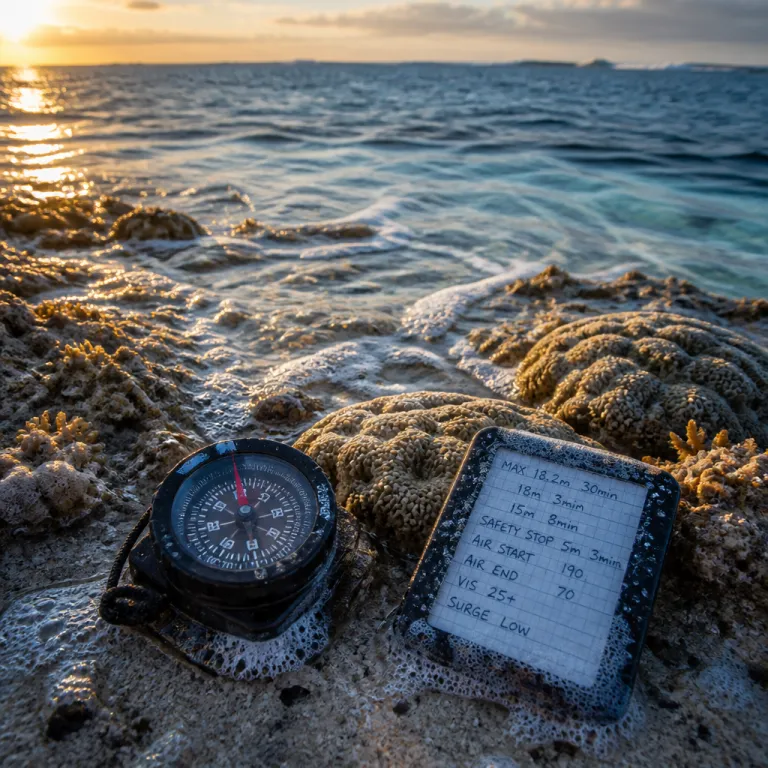
Underwater navigation is the second core component, and it transforms how you experience dive sites. Instead of passively following a guide, a trained scuba diver can use a compass, natural references, and timing to plan and execute a route. This skill becomes essential on large reefs, in low visibility water, or when exploring new dive sites during marine travel where surface landmarks are unfamiliar and you must rely on underwater cues.
Gas management also evolves beyond simply checking how much air remains in your cylinder. In an advanced open water diver course, you learn to plan turn pressures, calculate surface air consumption, and understand how depth affects gas density. These concepts prepare divers for future pathways such as enriched air nitrox training, where managing oxygen exposure and extended no-stop limits becomes part of the adventure and aligns with nitrox procedures described in agency specialty manuals.
Why equipment choices matter more as you progress
As your dives become deeper and longer, equipment configuration starts to influence comfort and safety. Many recreational divers now borrow ideas from technical setups, such as backplate and wing systems or long-hose regulators, to streamline their profile in the water. Resources that explain why recreational divers are borrowing from tech can help you decide whether to adapt your gear during or after your advanced training, especially if you plan to progress toward technical or overhead-environment courses.
Better trim and hose routing make underwater navigation easier because you are less distracted by dangling equipment. A balanced configuration also supports stable safety stops, which become more critical as you extend your depth range during deep adventure dives. While the advanced diver course itself does not require technical gear, many instructors will discuss configuration options so you can plan future upgrades and build a travel-friendly kit that still supports solid in-water performance.
For traveling divers, compact and modular equipment reduces baggage weight and simplifies logistics between dive sites. A well-fitted BCD or wing, an efficient fin choice, and a reliable dive computer all contribute to more relaxed scuba diving holidays. As your skills grow, you will notice that thoughtful gear choices and solid training work together to create a calm, controlled presence underwater, which dive operators often cite as a hallmark of experienced advanced-level divers.
From adventure dives to specialty courses: building a tailored skill set
One of the elegant aspects of an advanced diving course is its modular design. Beyond the required deep and underwater navigation dives, you choose several adventure dives that align with your travel plans and interests. These adventure dive options act as a preview of full specialty courses, allowing divers to test areas such as drift, peak performance buoyancy, or night diving before committing to more extensive training and additional certification fees.
For example, a scuba diver planning a trip to Cozumel might select a drift adventure dive to prepare for strong currents along the walls. Someone heading to Indonesia’s muck diving sites could focus on buoyancy and search and recovery to handle delicate sandy bottoms. Each adventure dive completed under a PADI instructor or equivalent professional counts toward both the advanced open water diver certification and, in many cases, credit for future specialty courses, as described in agency cross-credit policies.
This pathway approach is particularly valuable for travelers who return regularly to the same region. You might complete a wreck adventure dive in Malta one season, then return later for the full wreck diver course once you know the sites and conditions. Over time, your logbook reflects a coherent training journey, moving from general advanced skills to focused specialties that match your preferred style of scuba diving and the environments you visit most often.
Planning your progression: rescue diver, enriched air, and beyond
After finishing an advanced diving course, many divers feel ready to take on more responsibility. The natural next academic step is often the rescue diver program, which teaches you to manage emergencies, assist tired divers, and respond to panicked situations in open water. This training changes your mindset from self-focused to team-oriented, which is invaluable on remote marine travel expeditions and is consistently emphasized in rescue-level course descriptions.
In parallel, enriched air nitrox certification has become one of the most popular PADI specialty options worldwide. Learning to use enriched air safely allows longer no decompression limits on repetitive dives, which is ideal for liveaboards or resort-based scuba diving where you may complete three or four dives per day. Many centers now integrate an enriched air module alongside the advanced open water diver course so that divers leave with both cards and a stronger understanding of gas theory, mirroring combined-course packages highlighted in agency training materials.
For those who fall deeply in love with the underwater world, the pathway can extend to master scuba diver, which recognizes a combination of advanced, rescue, and multiple specialty certifications. Articles such as pathways to deeper exploration outline how to structure this progression over several dive trips. By planning your courses around future destinations, you ensure that each new certification directly enhances your next marine adventure and builds toward long-term goals such as leadership or technical training.
Choosing the right agency, instructor, and destination
When selecting an advanced diving course, the certifying agency matters less than the quality of the instructor and the suitability of the dive sites. PADI, NAUI, and SSI all offer internationally recognized advanced-level certifications that are accepted by operators around the world. What truly shapes your experience is how your instructor structures the dives, explains theory, and adapts the course to local water conditions, as reflected in student feedback and course review summaries.
Look for a scuba diving center that limits group sizes so each diver receives individual feedback during underwater navigation and buoyancy exercises. Ask whether the same instructor will handle all your adventure dives, as continuity helps them track your progress and refine your skills. It is also wise to check that the planned dive sites match the course objectives, with at least one location suitable for deep training and another ideal for navigation practice, in line with agency recommendations for appropriate training environments.
Destination choice should reflect both your current comfort level and your long-term travel goals. Clear, warm water in places such as Thailand, Egypt, or the Caribbean can be ideal for a first advanced open water diver course because conditions are forgiving. Once you hold the advanced diver certification, you can confidently plan trips to more challenging environments, including temperate kelp forests, offshore pinnacles, or remote atolls with stronger currents where operators may request a higher minimum number of logged dives.
Logistics, timing, and medical considerations
Most advanced diving courses run over two or three days, with five training dives as the standard minimum. A typical schedule might include classroom or e-learning sessions on the first day, followed by open water dives on subsequent days to complete deep, navigation, and additional specialties. When planning travel, allow extra time after your final deep dive before flying, respecting conservative surface intervals to reduce decompression risk, and follow agency flying-after-diving guidance, which commonly recommends at least 18–24 hours after multiple dives.
Before enrolling, verify that your existing open water diver certification meets the prerequisites for the chosen agency. You should also complete a medical questionnaire honestly and seek clearance from a dive-aware physician if you have any cardiovascular, respiratory, or neurological conditions. Operators appreciate divers who arrive with current medical documentation, as it simplifies check-in and ensures that the instructor can focus on training rather than administrative delays or last-minute health concerns.
Travel insurance that covers scuba diving to at least 30 metres is strongly recommended once you progress beyond entry level. Some policies require proof of advanced open water diver or equivalent certification before they extend coverage to deeper dives. Keeping digital copies of your diver certification cards, insurance documents, and logbook entries on your phone or tablet makes check-in at new dive sites faster and more efficient and aligns with best-practice checklists promoted by many dive travel providers.
Safety, environmental responsibility, and long term skill development
A well-structured advanced diving course does more than extend your depth limit: it reshapes how you think about risk and responsibility underwater. During deep and navigation training, you will practice pre-dive checks, gas planning, and buddy communication until they become automatic habits. These routines reduce the likelihood of incidents and prepare divers for more demanding environments such as night dives, drift dives, or remote offshore sites where self-reliance and team awareness are crucial.
Environmental awareness is increasingly woven into advanced-level training, especially in regions with sensitive coral reefs or marine protected areas. Instructors emphasize neutral buoyancy, careful finning techniques, and minimal contact with the seabed to protect both the environment and your own safety. Over time, divers who internalize these skills become ambassadors for responsible scuba diving, influencing their buddies and even local operators to adopt better practices, as echoed in conservation-focused training materials from major agencies.
Skill development does not end when the certification card arrives in your inbox or wallet. To maintain proficiency, plan regular dives that challenge you gently, such as leading a navigation circuit, managing a safety stop for the team, or practicing controlled ascents in varying water conditions. Logging each dive with notes on what went well and what you will improve next time turns every immersion into a micro training session and mirrors the reflective practice encouraged in advanced and rescue-level manuals.
When and how to step up to rescue and leadership roles
Once you feel fully at ease with advanced-level dives, consider formal rescue diver training as your next milestone. This course teaches you to recognize stress in other divers, manage missing diver scenarios, and coordinate assistance from the surface, which is invaluable on liveaboards and remote marine expeditions. Many advanced open water diver graduates report that rescue training is the point where they truly feel part of a capable underwater team rather than just a guest, a sentiment frequently highlighted in agency testimonials.
For those who wish to mentor others, the path can eventually lead to roles such as divemaster or even PADI instructor, though these steps require significant experience and commitment. Along the way, accumulating a range of PADI specialty or equivalent courses, from enriched air nitrox to underwater photography, broadens your competence and appeal to employers. Whether or not you pursue professional status, this structured progression keeps your diving fresh, purposeful, and aligned with your travel ambitions and the competency frameworks described in leadership-level programs.
As training agencies note, “What are the prerequisites for an advanced diving course? Open Water Diver certification and minimum age requirement.” They also state, “How long does the advanced diving course take? Typically 2–3 days, depending on the training center.” Finally, they clarify, “What skills are taught in the advanced diving course? Navigation, deep diving, night diving, and rescue skills,” summarizing the core outcomes listed in official advanced-level course descriptions.
Integrating advanced skills into your marine travel itineraries
Once you complete an advanced diving course, the way you plan trips changes significantly. Instead of choosing destinations solely for calm, shallow bays, you can target regions known for dramatic walls, blue holes, and offshore seamounts. This shift opens a global catalogue of dive sites that were previously out of reach for basic open water divers and aligns your travel plans with the capabilities recognized in your new certification.
Liveaboards become particularly attractive because they often focus on deeper and more challenging routes that require advanced open water diver or equivalent certification. On such trips, you might start the day with a deep adventure dive on a seamount, follow with a drift along a reef, and finish with a night dive over a sandy slope. Each immersion reinforces the skills learned during your course, from underwater navigation to gas planning and buoyancy control, and reflects the multi-dive itineraries described in liveaboard brochures.
Resort-based diving also becomes richer when you can join excursions to signature sites that demand experience. Operators in places such as Palau, Raja Ampat, or the Galápagos often require proof of advanced diver certification and a minimum number of logged dives before accepting guests on current-swept channels or shark-rich drop-offs. By arriving with a solid training background, you signal that you will be a competent, low-maintenance member of the group and meet the experience thresholds many centers publish in their dive briefings.
Budgeting, value, and long term return on training
From a financial perspective, an advanced diving course is an investment that pays off over many trips. The initial course fee covers not only five or more training dives but also access to a higher tier of experiences for the rest of your diving life. When you consider the cost of long-haul flights and marine travel logistics, the marginal price of upgrading your skills is relatively small compared with the added value of deeper, more varied dives and access to advanced-only itineraries.
To maximize value, align your advanced diver course with a destination where you already plan to spend several days in one place. This reduces extra accommodation costs and allows you to combine training dives with leisure dives once the certification requirements are complete. Some centers offer package pricing when you bundle advanced open water diver, enriched air nitrox, and even rescue diver training into a single extended stay, mirroring the multi-course bundles promoted in many dive travel packages.
Over the long term, better skills can reduce equipment wear, air consumption, and the likelihood of costly incidents. A calm, well-trained scuba diver is less prone to losing gear, damaging rental equipment, or aborting dives due to anxiety or poor planning. When you view training as part of your overall travel strategy rather than a one-off expense, the advanced diving course becomes a cornerstone of safe, rewarding marine exploration and a key factor in getting full value from every dive trip.
Key figures and training statistics for advanced divers
- Maximum recommended depth for many advanced-level recreational certifications is 30 metres, which extends the typical 18 metre limit of entry-level training and opens access to deeper reefs and wrecks (PADI Advanced Open Water Diver standard; SSI Advanced Adventurer outline; NAUI Advanced Scuba Diver course description).
- A standard advanced diving course usually includes at least five adventure dives, combining mandatory deep and navigation components with three elective specialties to tailor the program to each diver’s interests (PADI Advanced Open Water Diver framework; NAUI Advanced Scuba Diver course description; SSI Advanced Adventurer course overview).
- Most advanced courses are structured to run over two or three days, allowing traveling divers to integrate training into a short holiday without dedicating an entire trip solely to certification (agency training outlines and typical dive center schedules published in course brochures).
- Global training agencies report growing enrollment in specialty courses such as enriched air nitrox, reflecting a trend toward longer multi-dive days on liveaboards and resort-based scuba holidays (industry training statistics and annual certification reports from major agencies).
- Increased use of e-learning platforms for dive theory allows divers to complete academic work before travel, reducing on-site classroom time and maximizing underwater training during limited vacation days (agency e-learning adoption reports and digital learning case studies cited in training updates).
FAQ about advanced diving courses for marine travelers
What are the prerequisites for enrolling in an advanced diving course?
The primary prerequisite for an advanced diving course is a recognized open water diver certification from an agency such as PADI, NAUI, or SSI. You must also meet the minimum age requirement set by the agency and the local training center. Some operators request a small number of logged dives before starting, especially if conditions at the destination are challenging or if the course includes deep or drift dives in strong currents.
How long does an advanced diving course usually take during a trip?
Most advanced diving courses are designed to be completed in two or three days. The schedule typically includes five training dives, with deep and underwater navigation as mandatory components and three additional adventure dives chosen with your instructor. Many centers offer flexible timetables so you can spread the dives over a longer stay if you prefer a more relaxed pace or want extra time to practice buoyancy and navigation skills.
What specific skills will I learn beyond basic open water training?
Beyond extending your depth range, you will learn precise underwater navigation using a compass and natural references. The course also refines buoyancy control, gas management, and situational awareness, often including experience with night, drift, or peak performance buoyancy dives. These skills prepare you for more complex environments and future training such as rescue diver or enriched air nitrox specialties, as outlined in advanced-level course objectives from major agencies.
Is an advanced certification required for all popular dive sites?
Not all popular dive sites require advanced certification, but many of the most iconic ones do. Operators often ask for an advanced open water diver card or equivalent for deeper walls, wrecks, and strong current channels. Even when not mandatory, having advanced training makes these dives safer and more enjoyable because you are better prepared for depth, conditions, and navigation and can demonstrate experience that aligns with operator risk-management policies.
Should I complete enriched air nitrox at the same time as my advanced course?
Completing enriched air nitrox training alongside your advanced diving course is an efficient strategy, especially if you plan multi-dive days on liveaboards or resort packages. Studying both topics together reinforces your understanding of gas theory and no decompression limits. Many centers offer combined packages that integrate nitrox theory with advanced-level dives, saving both time and money for traveling divers and reflecting the bundled options described in agency and dive travel marketing materials.