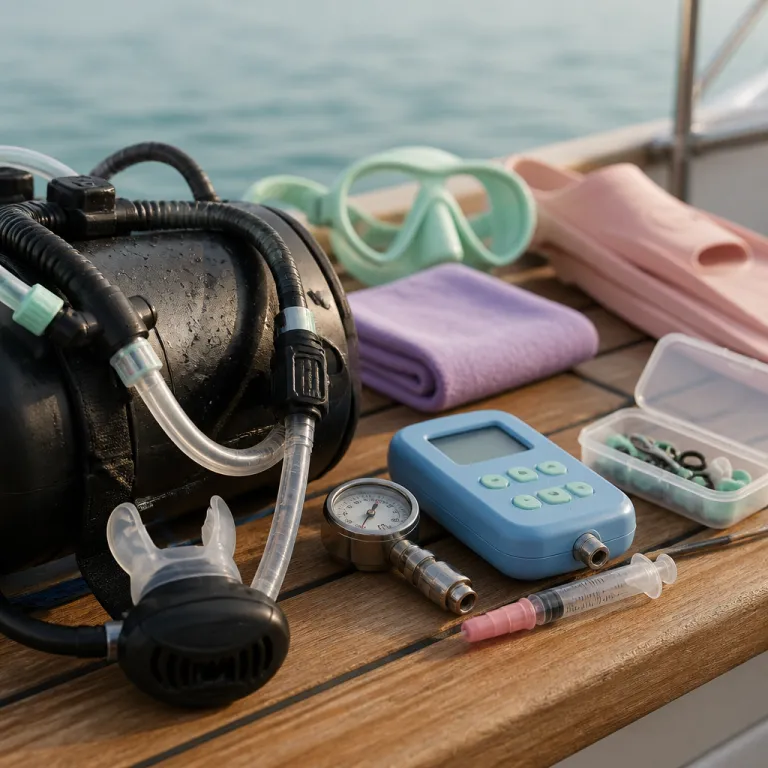
How a refined breathing pipeline transforms every dive
Underwater breathing is not just survival, it is the foundation of graceful diving. When you build a refined breathing pipeline from surface preparation to ascent, every phase of your dive becomes calmer and more controlled. This structured approach turns scattered tips into a coherent system you can repeat on every descent.
A personal four stage V4 breathing pipeline means four clear phases that guide you from pre dive relaxation to post dive recovery. Instead of improvising with your lungs at depth, you follow a predictable sequence that stabilises buoyancy, reduces gas consumption, and sharpens awareness of your surroundings. This same four stage V4 breathing pipeline can be adapted for reef photography, wreck penetration, or long drift dives where composure matters most.
Many divers focus on equipment upgrades while their breathing habits remain random and inefficient. By treating your four stage V4 breathing pipeline as seriously as your regulator service schedule, you create a reliable internal system that supports every technical decision underwater. This mindset is what separates relaxed, observant divers from those who constantly chase their own bubbles.
The four stage V4 breathing pipeline from surface to safety stop
A practical four stage V4 breathing pipeline for scuba starts with visualisation and slow diaphragmatic breaths at the surface. You then transition into a descent pattern of long, steady inhalations and slightly longer exhalations, matching each breath to a small, deliberate fin kick. This second stage of the four stage V4 breathing pipeline keeps your heart rate low while your body adapts to pressure.
The third stage of the four stage V4 breathing pipeline focuses on mid water cruising, where most divers waste gas through shallow chest breathing. Here you refine a rhythm of roughly six to eight breaths per minute, using your diaphragm to keep the chest quiet and the abdomen active. For a deeper technical breakdown of these patterns, many instructors refer students to resources on mastering breathing techniques for safer and more rewarding diving experiences.
The final stage of this four stage V4 breathing pipeline is your ascent and safety stop, where exhalation becomes the priority. You release air slowly while rising, preventing lung overexpansion and smoothing buoyancy changes as your wetsuit and BCD regain volume. This closing phase of the four stage V4 breathing pipeline also prepares your nervous system to transition back to the surface without the dizzy rush some divers feel.
Diaphragmatic control and buoyancy: the quiet art of stillness
True diaphragmatic breathing begins with feeling the lower ribs and abdomen expand while the upper chest stays almost motionless. When this pattern anchors your four stage V4 breathing pipeline, every inhalation becomes a subtle buoyancy adjustment rather than a sudden lurch upward. The result is a still, horizontal profile that disturbs less sediment and marine life.
During the cruising phase of your four stage V4 breathing pipeline, aim to fine tune lung volume instead of constantly adding or dumping air from your BCD. Small half breaths can lift you over a coral head, while a longer exhale lets you sink gently beside a cleaning station without touching the reef. Over time, this integration of buoyancy and breathing within your four stage V4 breathing pipeline reduces both gas consumption and physical effort.
Many experienced guides in places like Raja Ampat and the Red Sea quietly assess new guests by watching their chest movement. Divers whose four stage V4 breathing pipeline relies on shallow chest breathing often rise and fall like yo yos, burning through cylinders in under forty minutes. Those who have trained diaphragmatic control usually finish the same dive with a comfortable reserve and a far more relaxed expression.
Adapting your breathing pipeline to currents, depths, and environments
No single pattern suits every dive, so your four stage V4 breathing pipeline must adapt to conditions. In strong currents, shorten the inhalation slightly and extend the exhale, syncing each breath with a powerful but efficient frog kick. This version of the four stage V4 breathing pipeline helps you avoid overexertion while still making steady progress along the reef.
On deeper dives beyond 30 metres, gas density increases and breathing can feel heavier, especially with nitrox or trimix. Here your four stage V4 breathing pipeline should emphasise slower, more deliberate inhalations to reduce the sensation of resistance through the regulator. Many technical divers also build micro pauses after exhalation into their four stage V4 breathing pipeline, which stabilises carbon dioxide levels and reduces the urge to over breathe.
In colder waters such as Norway or British Columbia, stress and shivering can disrupt even a well trained four stage V4 breathing pipeline. Before descent, spend extra time on surface breathing to calm the sympathetic nervous system and warm the core through controlled movement. Once submerged, keep your four stage V4 breathing pipeline conservative and rhythmic, since sudden hyperventilation in cold water can quickly lead to panic or rapid gas depletion.
Training your lungs on land to serve you underwater
The most reliable four stage V4 breathing pipeline is built long before you board the dive boat. Land based training such as yoga pranayama, free diver style CO2 tables, and simple breath holds while walking all condition your respiratory muscles. These exercises strengthen the diaphragm and intercostal muscles that drive every phase of your four stage V4 breathing pipeline.
Structured practice also improves your sensitivity to early signs of over breathing or rising anxiety. When you can recognise these patterns on land, you can correct them quickly underwater by returning to the first stage of your four stage V4 breathing pipeline. Many instructors encourage students to maintain a weekly routine of slow breathing drills, which keeps the four stage V4 breathing pipeline familiar even between dive trips.
If you dive with children or teenagers, land training becomes an educational tool as well as a safety measure. Programmes such as the junior open water diver course emphasise calm, controlled breathing as a core skill rather than an afterthought. For parents, understanding this approach and how the PADI junior open water diver course opens the ocean to young explorers helps align family practice at home with what is taught on the training platform.
Integrating a breathing pipeline into marine travel planning
Thoughtful marine travel planning should give your four stage V4 breathing pipeline room to develop, not just tick off famous sites. When choosing liveaboards in destinations like the Maldives or Galápagos, look for operators who schedule relaxed check dives that allow you to rehearse each stage of your breathing system. These early dives are ideal moments to refine the four stage V4 breathing pipeline before tackling more demanding currents or deeper walls.
On multi day trips, fatigue and dehydration can quietly erode even a strong four stage V4 breathing pipeline. Plan rest periods, hydrate aggressively, and avoid stacking too many deep dives in a single day, especially when flying soon after the trip. Treat your four stage V4 breathing pipeline as a performance routine that needs recovery, just like any athletic discipline.
Travel insurance, medical declarations, and pre trip fitness checks also intersect with your breathing strategy. Conditions such as asthma, cardiovascular disease, or recent respiratory infections can compromise the safety margins built into your four stage V4 breathing pipeline. Honest conversations with dive physicians and operators ensure that your breathing system, itinerary, and health status all align for safe, rewarding marine travel.
Key statistics on breathing, safety, and dive performance
- Divers Alert Network has reported that poor gas management and rapid ascents remain among the leading contributing factors in recreational diving incidents, underscoring the role of controlled breathing and a consistent pipeline in risk reduction.
- Studies on experienced recreational divers show that efficient breathing patterns can reduce gas consumption by 20 to 30 percent compared with novice divers, extending bottom time and increasing the safety margin on standard 12 litre cylinders.
- Research published by the Undersea and Hyperbaric Medical Society indicates that slower ascent rates combined with calm, steady exhalation significantly decrease the formation of venous gas bubbles, which are associated with decompression stress.
- Training agencies report that divers who complete structured buoyancy and breathing workshops often demonstrate measurable improvements in trim and gas usage within as few as six to ten dives after the course.
- Cold water environments have been linked to higher stress and incident rates, and controlled breathing protocols are recommended by organisations such as DAN Europe to mitigate the combined effects of cold shock and exertion.
FAQ about underwater breathing techniques and travel
How slow should I breathe while scuba diving ?
A practical target for most recreational divers is around six to ten breaths per minute, using deep diaphragmatic inhalations and slightly longer exhalations. The exact rate depends on your fitness, workload, and water temperature, but you should feel calm rather than air starved. If you feel the urge to gasp or sigh frequently, your breathing is probably too fast or too shallow.
Can I practice my diving breathing techniques at home ?
Yes, land based training is one of the most effective ways to refine underwater breathing. Simple exercises such as lying on your back with a hand on your abdomen, counting four seconds in and six seconds out, build awareness of diaphragmatic movement. Over time you can add walking breath holds and gentle yoga to strengthen the muscles that support your diving pipeline.
Does better breathing really extend my bottom time ?
Efficient breathing reduces unnecessary gas consumption, which directly extends how long your cylinder lasts at a given depth. Divers who switch from shallow chest breathing to controlled diaphragmatic patterns often see noticeable improvements within a few trips. This extra time can be used as a safety buffer rather than simply staying longer at maximum depth.
How does current or surge affect my breathing strategy ?
Currents and surge increase workload, which can tempt you into rapid, inefficient breathing. The key is to slow your movements, streamline your body, and maintain a steady rhythm of inhalation and extended exhalation. If you feel your breathing racing, pause behind shelter, reset your pattern, and only then continue the dive.
Should children learn the same breathing techniques as adults ?
The core principles are similar, but the teaching style must match a child’s attention span and comfort level. Short, playful exercises that emphasise slow, quiet bubbles and relaxed body position work well in pools and shallow water. Formal junior training programmes integrate these skills gradually so young divers build safe habits from their first open water experiences.