What a beginner freediving course really looks like on holiday
On a well run learn freediving course travel itinerary, your first morning usually starts on land with coffee, a yoga mat, and a quiet briefing about what your body can do on a single breath. The instructor explains how freediving differs from scuba diving, why a freediver relies on relaxation rather than equipment, and how a short course will reshape the way you relate to the water. You will learn that modern freediving courses are structured, evidence based training rather than a test of bravado, and that every breath hold is supervised and timed.
An entry level freediving course typically blends classroom theory, pool freediver practice, and gentle open water sessions over two or three days. The theory sessions will cover equalisation techniques, the mammalian dive reflex, safe breath hold limits, and how constant weight descents work when you follow a line to a set depth in meters or feet. Most schools follow standards from agencies such as SSI or AIDA, so each freediver course has clear performance requirements for freediver certification, including a static apnea breath hold on the surface and a controlled dive to around 10 to 20 meters, which is roughly 33 to 66 feet.
During your first pool sessions, you learn to hold breath in a controlled way while floating face down, then progress to dynamic laps underwater with minimal freediving equipment. These pool freediver drills introduce training techniques that emphasise slow fin kicks, streamlined posture, and calm mental focus, which later translate directly to open water dives. By the time the water sessions move from pool to sea, you will already understand how each breath, each kick, and each equalisation supports a safe, enjoyable freediving experience that feels surprisingly meditative.
Why freediving appeals to dive travellers and scuba divers
For many travellers, the decision to learn freediving course travel style comes after years of scuba diving on reefs that feel increasingly crowded. A freediver slips into the water with mask, fins, and a thin wetsuit, leaving the bubbles and noise behind, and the result is a quieter, more intimate way to explore underwater life. You will learn quickly that the lack of heavy gear changes how you move, how you plan each dive, and how you remember the encounter afterwards.
Freediving courses appeal to the solo explorer because they fit neatly into a short trip and require minimal luggage beyond basic freediving equipment. A typical beginner freediving course will include two or three water sessions per day, each lasting less than an hour, leaving time to wander the harbour, eat well, and rest between sessions. Those same sessions will show you how a simple constant weight descent along a rope to 12 meters, or about 40 feet, can feel more immersive than a longer scuba dive, because every second of your breath hold is focused and deliberate.
For certified scuba divers, a holiday freediver course often becomes a way to deepen existing skills rather than replace tank based diving. The relaxation and breath control from static apnea training improve gas consumption on later scuba dives, while equalisation techniques learned as a freediver make deeper descents more comfortable. Many advanced freediver students say that alternating scuba diving days with freediving days keeps their body fresher, their curiosity sharper, and their relationship with the water more balanced across a long trip.
What actually happens in your first water sessions
Once the theory is done, the real heart of any learn freediving course travel plan lies in the water sessions. The first time you slip into the pool, the instructor usually keeps things simple, asking you to float, relax, and feel how your breath changes as you calm down. These early pool freediver drills are where you will learn to recognise the first contractions of a breath hold and to trust that your body can safely tolerate them under supervision.
In a well structured freediving course, the pool work comes before open water so that every freediver understands basic safety and body awareness. Sessions will include static apnea tables, where you hold breath for gradually longer periods, and dynamic laps, where you glide underwater for measured distances in meters or feet. Good instructors use these pool sessions to refine training techniques, adjusting your finning style, head position, and recovery breathing so that the transition to open water feels smooth rather than intimidating.
When the course moves outside, the first open water sessions usually take place in calm, sheltered bays or from a stable boat. Depth targets are conservative, often between 8 and 15 meters, which translates to roughly 26 to 50 feet, and every dive follows a line with a safety freediver watching closely. If you are used to scuba diving, the silence of a constant weight descent can feel startling at first, but within a few dives you will learn to enjoy the glide, the light fading around you, and the simple satisfaction of turning at your planned meters feet mark before returning to the surface.
Choosing the right destination for your first freediving holiday
Picking where to learn freediving course travel wise matters as much as choosing the right instructor. Warm, clear, low current water makes every early dive easier, which is why beginner friendly schools cluster in places like Dahab in Egypt, Panglao in the Philippines, Amed in Bali, and the calmer pockets of the Mediterranean. In these destinations, you can step from classroom to pool to open water within minutes, and the logistics of each freediving course feel effortless rather than exhausting.
Look for locations where the drop off starts close to shore, so that constant weight lines can be set at 10 to 30 meters without long boat rides. A good freediver course will schedule short, frequent water sessions instead of marathon days, allowing your body to adapt gradually to pressure and breath hold demands. When you compare destinations, pay attention to seasonal wind patterns, typical visibility in meters, and average water temperature, because these factors will shape how comfortable you feel during every underwater session.
Some travellers combine their first freediving courses with liveaboard itineraries or extended stays in small coastal towns. If you are considering a boat based trip later, it is worth reading a detailed guide on how to choose a liveaboard route, trip length, and cabin class, such as the one available on Blue Dive Adventures, before committing. Whether you base yourself in a Red Sea village or a volcanic bay in Indonesia, the best places to explore underwater as a new freediver share the same traits, including easy access to depth, reliable safety infrastructure, and a local community that respects the sea.
How to choose a safe school, instructor, and training structure
Safety is the non negotiable core of any learn freediving course travel decision, and it starts with the agency standards behind your chosen school. Reputable centres align with organisations such as SSI or AIDA, follow strict depth limits for each level, and require that every freediver trains with a buddy under direct supervision. When you enquire, ask clearly how many students each instructor takes into the water, because low student to instructor ratios make every course safer and more personalised.
A solid beginner freediver course will include a mix of online theory, classroom briefings, pool training, and open water sessions, all mapped out before you pay. The course will explain blackout risks, rescue techniques, and why no one should ever hold breath alone in a pool or attempt deep dives without a trained safety freediver. You should also confirm that the school provides appropriate freediving equipment, from low volume masks to proper weight systems, and that they adjust these for each student during early sessions.
When you progress towards freediver certification or consider an advanced freediver level, the same safety principles apply, just with deeper constant weight targets and longer static apnea goals. A good instructor will never pressure you to reach a specific number of meters or feet, instead focusing on clean technique and relaxed breath hold comfort. If a centre seems more interested in selling extra freediving courses than in explaining training techniques and safety protocols, take that as a sign to look elsewhere and invest your time with a team that treats the water with genuine respect.
How freediving complements, not replaces, your scuba diving
For many readers, the decision to learn freediving course travel wise comes after years of logging scuba dives across reefs, wrecks, and walls. Freediving does not need to replace that history ; instead, it can refine it, giving you sharper body awareness and calmer breathing on every future tank based dive. The breath control you gain from static apnea tables and repeated breath hold drills often translates into noticeably longer bottom times when you return to scuba diving.
Freediving equipment is lighter and simpler than a full scuba kit, which makes it ideal for days when you want to explore underwater caves, shallow reefs, or sea grass meadows between scheduled boat dives. Many advanced freediver practitioners plan trips where mornings are dedicated to constant weight training down a line, while afternoons are reserved for relaxed scuba tours with a camera. This rhythm keeps nitrogen loading conservative, maintains overall fitness, and allows you to enjoy both disciplines without overtaxing your body.
If you are already comfortable in a pool or have completed structured pool training for scuba, such as the kind of focused work described in guides to why training in a scuba swimming pool transforms your first dives, you will likely adapt quickly to freediving sessions. The key is to respect the differences ; you never mix deep freediving with deep scuba on the same day, and you always plan water sessions with conservative depth and rest intervals. Over time, the skills you will learn as a freediver, from efficient finning to precise buoyancy control near the surface, make you a more relaxed, observant, and environmentally aware diver in every context.
Planning your learn freediving course travel: logistics, gear, and next steps
Turning the idea to learn freediving course travel style into a real trip starts with honest self assessment and clear goals. Decide whether you want a pure freediving holiday with daily sessions or a mixed itinerary that includes scuba diving, sailing, or simple beach time. Then match that vision to a destination where the water conditions, travel logistics, and school availability align with your preferred dates and budget.
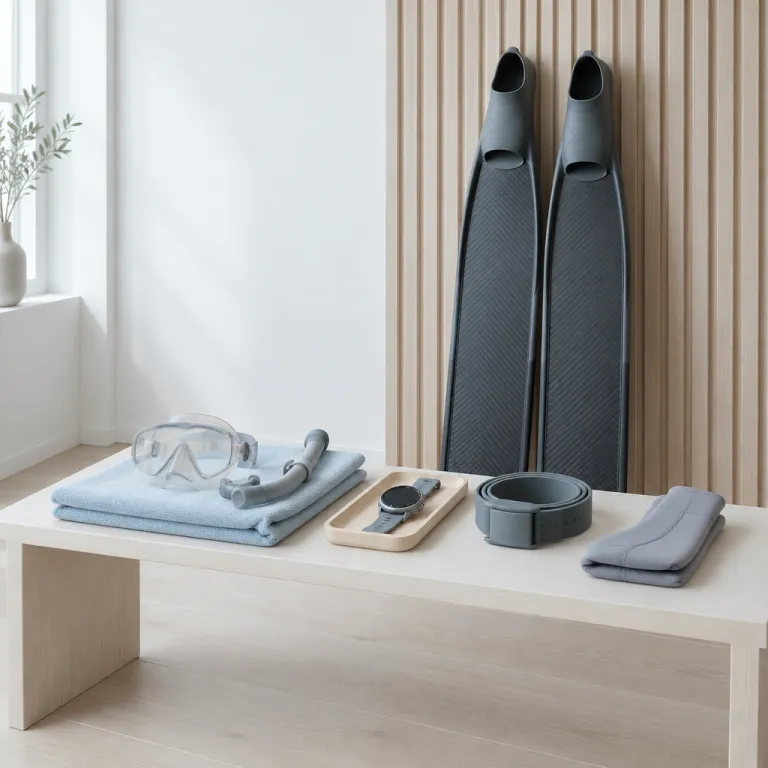
Most beginner freediving courses include essential freediving equipment such as fins, mask, snorkel, and weight belt, but frequent travellers often prefer to bring their own mask and snorkel for comfort. Before you book, check whether the course will provide online theory access in advance, so that you can learn the basics of breath hold physiology, equalisation techniques, and safety protocols before arriving. This approach keeps your on site sessions focused on practical training techniques, maximising the value of each pool and open water session.
As you plan, remember that a good freediver course is not a one off achievement but the start of a longer relationship with the water. After your first freediver certification, you might return to the same school for an advanced freediver level, or you might choose a different region to explore underwater with new instructors and conditions. Either way, the habits you build during that first course will shape every future dive, from the way you pack your bag to the way you brief a buddy before slipping beneath the surface.
Key figures for first time freediving students
- Most entry level freediving courses set a target depth of around 10 to 20 meters, or 33 to 66 feet, which research and agency standards identify as a safe and achievable range for healthy beginners under supervision.
- Structured static apnea training often increases a beginner’s comfortable breath hold from roughly 30 to 45 seconds to between 90 and 120 seconds over a few sessions, according to data shared by major training agencies such as SSI and AIDA.
- Many reputable schools limit open water student groups to a maximum of three to four freedivers per instructor, a ratio that significantly improves safety response times compared with larger groups.
- Warm water destinations with average sea temperatures above 24 °C tend to report higher course completion rates for first time freedivers, because reduced thermal stress allows students to focus on technique rather than cold management.
- Travel surveys from dive tourism boards indicate that a growing share of certified scuba divers, often more than one in five respondents, now add a freediving course to at least one holiday itinerary, reflecting the rapid rise of breath hold diving as a complementary skill.
FAQ about learning to freedive on holiday
How fit do I need to be to start a freediving course while travelling ?
You should be in generally good health, comfortable swimming in open water, and able to tread water for several minutes without distress. Most agencies require a basic medical questionnaire and may ask for a doctor’s clearance if you have respiratory, cardiac, or ear related conditions. Elite athletic fitness is not necessary, but a reasonable level of cardiovascular health and mobility makes the training more enjoyable.
Is freediving safe for beginners compared with scuba diving ?
Both freediving and scuba diving carry risks, but structured courses with qualified instructors keep those risks within acceptable limits. In freediving, the main concerns are shallow water blackout and barotrauma, which are mitigated by strict buddy systems, conservative depth limits, and clear rescue protocols. When you follow agency standards, never dive alone, and respect your training, freediving can be practised safely on holiday.
How long does it take to earn a beginner freediver certification on a trip ?
Most entry level freediver certification programmes are designed to be completed in two or three days of focused training. This usually includes several hours of theory, at least one pool session, and two or more open water sessions to reach the required depth and performance standards. Some schools offer flexible schedules, spreading the same content over more days to suit relaxed travel plans.
What equipment should I bring for a learn freediving course travel experience ?
At minimum, bring a well fitting low volume mask, a snorkel you like, and a comfortable wetsuit appropriate for the destination’s water temperature. Many schools provide long fins, weight belts, and lanyards, but frequent travellers often invest in their own freediving equipment for consistency and hygiene. If you already own scuba gear, you can reuse items such as a wetsuit and mask, but you will not need a tank, regulator, or buoyancy compensator for freediving.
Can I combine a freediving course with a liveaboard or multi day boat trip ?
Combining a freediving course with a liveaboard is possible, but it requires careful planning and a clear understanding of the itinerary. Many divers prefer to complete their initial training near shore, then join a boat trip later to apply skills in varied conditions without the pressure of meeting course requirements. When evaluating any boat based trip, review the route, daily schedule, and safety provisions in detail to ensure that both freediving and scuba activities are managed conservatively.