Understanding the discover scuba experience: what to expect from your first immersion
Embarking on the discover scuba journey offers an unparalleled introduction to the underwater world. The program, designed by PADI, provides a structured and safe environment for those curious about scuba diving but not yet ready to commit to a full diving course. During your initial session, you will learn the basics of scuba gear, safety procedures, and underwater communication, all under the guidance of a certified instructor. The experience typically begins with a classroom session where the instructor explains essential concepts, followed by a pool session that allows you to become comfortable with the equipment and water environment. This approach ensures that every participant, regardless of prior experience, can enjoy their first dive with confidence. The discover scuba program is accessible to anyone aged 10 and above, making it an excellent option for families and individuals alike. You will register your account, complete a medical questionnaire, and receive a briefing on the session's structure and objectives. The session will cover how to use your scuba gear, how to breathe underwater, and how to manage buoyancy. This first immersion is not a certification but a stepping stone toward the open water diver course, giving you a taste of what scuba diving truly entails. Many participants find that the discover scuba experience ignites a passion for marine travel and conservation, encouraging them to pursue further training and exploration.
Essential steps to prepare for your discover scuba session
Preparation is key to maximizing your enjoyment and safety during the discover scuba program. Before your session, you will need to register your account with the dive center and review the medical questionnaire to ensure you meet the health requirements. It is important to bring a swimsuit and towel; all other scuba gear, including mask, fins, and regulator, will be provided. The classroom session will introduce you to the fundamentals of scuba diving, including how to assemble and check your gear, and what to expect during your pool session. The instructor will explain the importance of the buddy system, proper breathing techniques, and how to communicate underwater using hand signals. You will also learn about the different options available for continuing your diving education, such as the open water diver course. During the pool session, you will practice basic skills like clearing your mask, recovering your regulator, and maintaining neutral buoyancy. This hands-on experience builds confidence and prepares you for the optional open water dive, should you choose to continue. For those interested in marine travel, the discover scuba program offers a unique opportunity to experience underwater environments in a controlled setting. To explore more about marine travel and diving destinations, visit this comprehensive guide to marine travel. The session will conclude with a debriefing, where you can discuss your experience and ask questions about further training or gear purchase options.
From pool to ocean: transitioning from confined water to open water dives
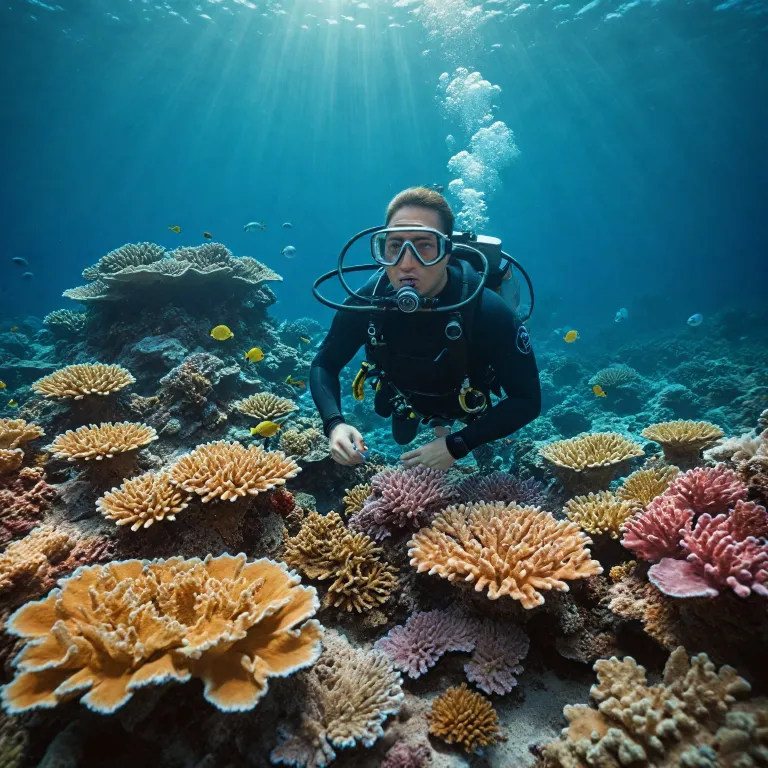
The transition from a pool session to an open water dive marks a significant milestone in your discover scuba journey. After mastering basic skills in a controlled environment, you will have the option to participate in an open water dive under the supervision of your instructor. This experience allows you to apply what you have learned in a real-world setting, encountering marine life and exploring underwater landscapes. The open water session will reinforce your understanding of scuba gear, buoyancy control, and underwater navigation. You will learn how to adapt to changing conditions, such as currents and visibility, while maintaining safety and comfort. The instructor will guide you through each step, ensuring that you feel confident and supported throughout the dive. Many dive centers, such as Discovery Diving Co. and The Dive Shop, offer the discover scuba program in both pool and open water settings, providing flexibility for participants. The open water experience is not only exhilarating but also educational, as you gain firsthand insight into marine ecosystems and conservation efforts. For those considering a long-term commitment to diving, this session serves as a valuable introduction to the skills required for certification. To further enhance your knowledge of diving programs and options, explore this resource on diving programs and certifications. The transition from pool to ocean is a transformative step, opening the door to a lifetime of underwater adventures.
Choosing the right dive center and instructor for your discover scuba adventure
Selecting a reputable dive center and experienced instructor is crucial for a safe and enjoyable discover scuba experience. Look for centers affiliated with recognized organizations such as PADI, which ensures adherence to international safety standards and best practices. When registering your account, inquire about the instructor's qualifications, the condition of the scuba gear, and the structure of the diving program. A quality dive center will provide a thorough briefing, access to well-maintained equipment, and a supportive learning environment. The option to purchase or rent gear should be clearly explained, along with the process for registering for additional courses. During your initial visit, observe the cleanliness of the facilities and the professionalism of the staff. The instructor should be attentive, patient, and willing to answer all your questions about the session, gear, and underwater experience. Many centers offer flexible scheduling, allowing you to choose a session that fits your travel plans. For those interested in exploring marine travel destinations, partnering with a reputable dive center can enhance your overall experience. Remember, your safety and enjoyment depend on the expertise and dedication of your instructor and the quality of the diving program.
Health, safety, and comfort: navigating the medical questionnaire and underwater environment
Health and safety are paramount in the discover scuba program, beginning with the completion of a medical questionnaire. This step ensures that you are physically prepared for the demands of scuba diving and helps the instructor tailor the session to your needs. Common questions address respiratory, cardiovascular, and neurological health, as well as any history of ear or sinus issues. If you have concerns, consult with a medical professional before registering your account or participating in a session. The instructor will review the questionnaire and discuss any necessary precautions, ensuring that you feel comfortable and informed. During the pool and open water sessions, you will learn techniques for equalizing pressure, managing buoyancy, and responding to potential challenges. The session will emphasize the importance of slow, controlled breathing and clear communication with your dive buddy. Safety protocols, such as pre-dive checks and emergency procedures, will be practiced throughout the program. The controlled environment of the pool session allows you to build confidence before venturing into open water. As you gain experience underwater, you will develop a greater appreciation for the importance of health and safety in diving. The discover scuba program is designed to minimize risks while maximizing enjoyment, making it an ideal introduction for beginners. Remember, "Bring a swimsuit and towel; all other equipment is usually provided by the dive center." This ensures you can focus on the experience without worrying about gear logistics.
Continuing your diving journey: options after your discover scuba session
Completing the discover scuba program often sparks a desire to pursue further diving education and exploration. Many participants choose to enroll in the open water diver course, which leads to full certification and the ability to dive independently. The skills and knowledge gained during your initial session will serve as a strong foundation for more advanced training. Dive centers offer a variety of options for continuing your education, including specialty courses in underwater photography, marine conservation, and deep diving. Registering your account for additional courses is straightforward, and instructors are available to guide you through the process. The option to purchase your own scuba gear becomes more appealing as you gain experience and confidence. Participating in local and international diving programs allows you to explore diverse marine environments and connect with a global community of divers. The discover scuba experience is more than just an introduction; it is the beginning of a lifelong passion for underwater adventure and marine travel. By investing in your education and embracing new challenges, you will learn to navigate the complexities of the underwater world with skill and confidence. The journey from your first pool session to advanced open water dives is both rewarding and transformative, offering endless opportunities for discovery and growth.
Key statistics about the discover scuba experience
- Minimum age requirement for the program: 10 years
- Typical duration of a discover scuba session: 2 hours
- The program includes a classroom briefing, pool or confined water session, and an optional open water dive
Frequently asked questions about the discover scuba program
What is the minimum age for Discover Scuba Diving?
The minimum age is typically 10 years old.
Do I need prior experience to participate?
No prior experience is necessary, but participants should be in reasonable physical health.
Will I be certified after completing the program?
No, Discover Scuba Diving is an introductory experience and does not result in certification.
References:
PADI (Professional Association of Diving Instructors): https://www.padi.com/
Discovery Diving Co.: https://discoverydiving.com/
The Dive Shop: https://www.azdiveshop.com/