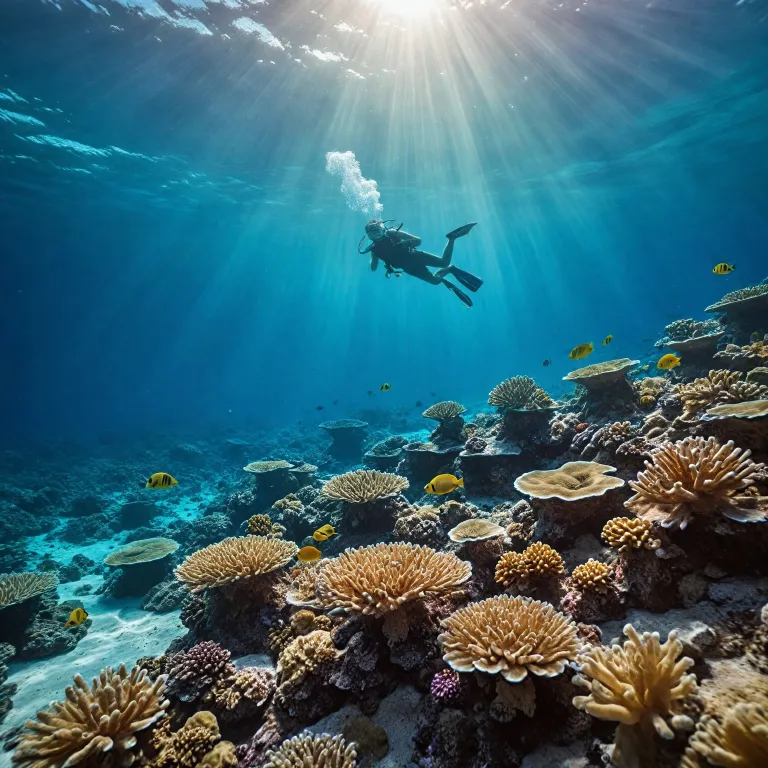
The essentials of snorkeling: equipment, technique, and safety
Snorkeling is a recreational activity that allows individuals to observe marine life and underwater landscapes while floating at the water surface. The core snorkeling equipment includes a mask, snorkel tube, and swimfins, with many snorkelers also opting for a wetsuit or rash guard in cooler waters. The mask provides a clear view underwater, while the snorkel tube enables breathing with the face submerged, keeping the air supply uninterrupted as long as the top of the snorkel remains above the water surface.
Modern innovations such as dry snorkels and full face snorkel masks have improved the snorkeling experience by preventing water entering the tube. A dry snorkel features a valve at the top tube that seals when submerged, reducing the risk of water entering and making it easier for both novice and experienced snorkelers. Semi dry snorkels offer partial protection, while traditional snorkels require the user to clear water from the tube if submerged. Proper fit of the mask and snorkel mask is crucial to prevent leaks and ensure comfort during extended periods in the water.
Safety is paramount in snorkeling. Always check the condition of your snorkeling equipment before entering the water, and ensure the mask snorkel and snorkel tube are free from cracks or blockages. Beginners should practice breathing through the snorkel at the water surface before venturing further. Responsible snorkeling also involves respecting marine life and avoiding contact with coral reefs or aquatic creatures. For those interested in more advanced underwater exploration, scuba diving offers a different experience but requires specialized training and equipment.
How breathing works with a snorkel: air flow, valves, and dry snorkels
The fundamental principle of snorkeling is the ability to breathe while floating face down at the water surface. The snorkel tube acts as an extension of the airway, allowing air to travel from above the water to the mouth. When using a traditional snorkel, the top tube must remain above the water surface to prevent water entering the tube. If water does enter, a forceful exhalation clears the tube, expelling water back out through the top.
Dry snorkels have revolutionized the snorkeling experience by incorporating a valve at the top tube that automatically closes when submerged. This prevents water entering the snorkel, even if a wave passes over or the snorkeler dives briefly below the surface. As stated in the dataset, "Using a dry snorkel with a valve that seals when submerged can prevent water entry. Additionally, proper positioning and clearing techniques can help manage water ingress." Dry snorkels are especially beneficial for beginners and children, reducing the risk of inhaling water and making the activity more enjoyable.
Full face snorkel masks integrate the mask and snorkel into a single unit, allowing natural breathing through both the nose and mouth. These masks feature separate chambers for inhaled and exhaled air, minimizing fogging and ensuring a steady supply of fresh air. However, it is essential to choose a high-quality full face snorkel mask to ensure proper air circulation and prevent carbon dioxide buildup. For more information on selecting the right equipment, visit our comprehensive snorkeling gear guide.
Choosing the right snorkeling equipment: masks, snorkels, and fins
Quality snorkeling equipment is essential for a safe and enjoyable snorkeling experience. The mask should fit snugly against the face, creating a watertight seal without causing discomfort. There are various types of masks, including single lens, dual lens, and full face snorkel masks. Each offers different advantages, with full face snorkel masks providing a panoramic view and integrated breathing system.
The snorkel tube comes in several designs: classic, semi dry, and dry snorkels. Classic snorkels are simple tubes, while semi dry snorkels feature splash guards to reduce water entering the tube. Dry snorkels, as previously discussed, use a valve to seal the top tube when submerged. Snorkel masks and dry snorkels are increasingly popular for their comfort and safety features. Fins, or swimfins, enhance propulsion and reduce fatigue, allowing snorkelers to cover greater distances with less effort.
When selecting snorkeling equipment, consider the water conditions and your level of experience. For example, in choppy water, a dry snorkel or semi dry snorkel can help prevent water entering the tube. Always test your mask snorkel and snorkel tube before entering the water to ensure a proper fit. For an in-depth look at the best equipment for your needs, explore our snorkeling equipment comparison.
Mastering snorkeling techniques: from surface swimming to underwater exploration
Effective snorkeling begins with mastering surface swimming and breathing through the snorkel tube. Keep your face submerged and breathe slowly and deeply, ensuring the top of the snorkel remains above the water surface. Practice clearing the snorkel tube by exhaling forcefully if water enters, a skill that becomes second nature with experience.
For those seeking a closer look at marine life, occasional breath-hold diving allows you to descend briefly below the surface. Before diving, take a deep breath, remove the snorkel from your mouth, and equalize pressure in your ears as needed. Upon returning to the surface, clear the snorkel tube before resuming breathing. Full face snorkel masks are not recommended for deep dives, as they are designed primarily for surface use.
Snorkeling in groups or with a guide enhances safety and provides opportunities to learn advanced techniques. Many snorkeling tour operators offer instruction on proper use of snorkeling equipment, including mask snorkel fitting and dry snorkel operation. For those interested in marine conservation, responsible snorkeling practices such as avoiding contact with coral and marine life are essential.
Exploring marine life: what to expect beneath the water surface
One of the main attractions of snorkeling is the opportunity to observe vibrant marine life and underwater ecosystems. Clear waters and healthy coral reefs provide a habitat for colorful fish, sea turtles, and a variety of aquatic organisms. As noted in the dataset, "Depending on the location, snorkelers can observe a variety of marine life, including colorful fish, coral reefs, sea turtles, and other aquatic organisms." The mask snorkel combination allows for extended observation without the need for frequent surfacing.
Snorkeling equipment such as dry snorkels and full face snorkel masks enhance comfort and visibility, allowing snorkelers to focus on the underwater scenery. The use of a dry top or semi dry snorkel reduces interruptions caused by water entering the tube, making it easier to enjoy the experience. Always maintain a respectful distance from marine life and avoid touching or disturbing the environment.
Popular snorkeling destinations are often chosen for their clear water and abundant marine life. Whether exploring tropical reefs or temperate coastal waters, the right snorkeling equipment and techniques ensure a memorable and safe adventure. For those interested in deeper exploration, scuba diving offers access to more remote underwater locations, but requires additional training and certification.
Comparing snorkeling and scuba diving: accessibility, equipment, and experience
While both snorkeling and scuba diving provide access to the underwater world, they differ significantly in terms of equipment, training, and accessibility. Snorkeling requires minimal gear—a mask, snorkel tube, and fins—making it accessible to a wide range of ages and skill levels. As highlighted in the dataset, "Snorkeling involves swimming at the water's surface using a snorkel to breathe, while scuba diving requires specialized equipment to breathe underwater and allows for deeper exploration."
Scuba diving involves the use of a self-contained underwater breathing apparatus, allowing divers to remain submerged for extended periods and reach greater depths. This requires formal training and certification, as well as a thorough understanding of safety procedures. In contrast, snorkeling can be enjoyed with basic instruction and does not require certification, making it an ideal choice for families and beginners.
Both activities offer unique perspectives on marine life and underwater environments. Snorkeling is particularly well suited for observing shallow reefs and coastal habitats, while scuba diving opens up opportunities for exploring shipwrecks, caves, and deeper ecosystems. The choice between snorkeling and scuba diving depends on personal preferences, experience, and the desired level of immersion in the underwater world.
Trends and innovations in snorkeling: eco-friendly practices and equipment advances
The popularity of snorkeling continues to grow, driven by advances in equipment and a greater emphasis on environmental stewardship. Eco-friendly snorkeling practices, such as using reef-safe sunscreen and avoiding contact with marine life, are increasingly promoted by tour operators and conservation organizations. The rise of full face snorkel masks and dry snorkels has made the activity more accessible and comfortable for a broader audience.
Snorkeling equipment manufacturers are continually innovating, introducing features such as improved dry top valves, ergonomic mouthpieces, and anti-fog coatings for masks. These developments enhance safety and enjoyment, allowing snorkelers to spend more time observing marine life without interruption. The use of semi dry snorkels and advanced mask snorkel designs further reduces the risk of water entering the tube, making snorkeling safer for all participants.
Tour operators and marine parks are also adopting sustainable practices, including limiting group sizes and educating visitors on responsible snorkeling. As interest in marine travel grows, the importance of protecting underwater ecosystems becomes ever more critical. By choosing the right snorkeling equipment and following best practices, snorkelers can contribute to the preservation of these fragile environments for future generations.
Key statistics on snorkeling participation and equipment
- Global snorkeling participation: 20 million people annually
- Average cost of snorkeling equipment: 100 USD
Frequently asked questions about how snorkeling works
Can you breathe underwater with a snorkel?
A snorkel allows you to breathe while your face is submerged and the snorkel tube remains above the water's surface. It does not enable breathing when fully submerged underwater.
What is the difference between snorkeling and scuba diving?
Snorkeling involves swimming at the water's surface using a snorkel to breathe, while scuba diving requires specialized equipment to breathe underwater and allows for deeper exploration.
Is snorkeling safe for non-swimmers?
While basic swimming skills enhance safety, non-swimmers can participate in snorkeling with the use of flotation devices and under the supervision of experienced guides.
References: Global Scuba Diving Equipment Market Report, Snorkeling Gear Market Analysis, Global Scuba Diving Equipment Market Report