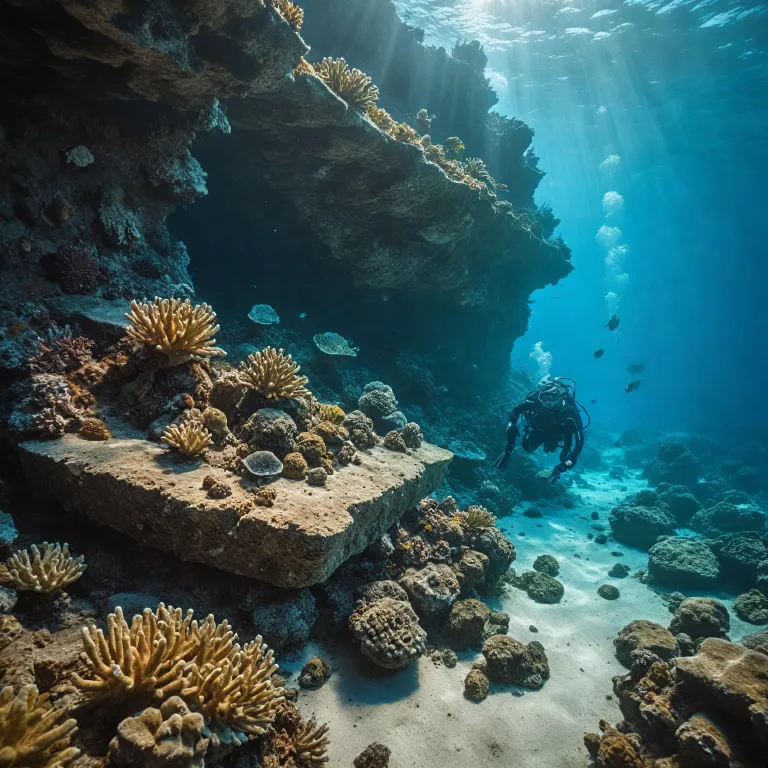
Unveiling maritime heritage: the allure of underwater archaeology tours
Underwater archaeology tours offer a rare opportunity to engage with maritime history beneath the surface. These expeditions reveal the mysteries deep within our oceans, where shipwrecks and submerged artifacts tell stories of ancient ships and lost cultures. The experience is not limited to seasoned divers; virtual reality and interactive exhibitions produced by renowned institutions such as the Intrepid Museum and the National Museum of Underwater Archaeology make exploring underwater accessible to all.
Participants can witness the remnants of historic shipwrecks, including those as iconic as the Titanic, and learn about the evolution of maritime archaeology. The integration of augmented reality allows visitors to view detailed images and reconstructions of underwater sites, bridging the gap between the past and present. These tours are designed to foster appreciation for marine sanctuaries and the vital role they play in preserving our maritime heritage.
With over 3,000,000 known shipwrecks worldwide, the sea holds countless secrets waiting to be explored. The climate and weather climate of coastal regions often influence the preservation of these sites, adding another layer of intrigue to each expedition. Whether through physical diving or immersive virtual experiences, underwater archaeology tours connect participants with the natural and cultural wonders beneath the waves.
Exploring underwater shipwrecks: a journey through history and culture
Shipwrecks are time capsules, offering a tangible link to maritime history and the evolution of seafaring life. Underwater archaeology tours guide intrepid explorers through these submerged sites, where artifacts and structures reveal the daily lives of sailors and the impact of climate change on maritime routes. The National Museum of Bermuda and Mel Fisher Maritime Heritage Museum curate exhibitions that showcase treasures recovered from the sea, providing a window into the past.
Maritime archaeology is not solely about excavation; it is about understanding the broader context of human interaction with the marine environment. Each shipwreck, whether a merchant vessel or a warship, contributes to our knowledge of trade, conflict, and cultural exchange. The preservation of these sites is crucial, as they are threatened by both natural forces and human activity.
For those interested in the technical aspects, the use of advanced diving equipment and augmented reality devices enhances the experience of deep exploring. The exhibition produced by the Intrepid Museum, for example, allows visitors to engage with interactive displays and virtual tours. For more on the intersection of marine life and archaeology, explore our detailed guide on marine conservation and underwater expeditions.
Virtual and physical expeditions: innovative approaches to underwater archaeology
The advent of virtual reality has revolutionized underwater archaeology tours, making them accessible to a wider audience. Institutions like the Maritime Archaeology Trust offer interactive 3D tours that allow participants to navigate shipwrecks and coastal sites from the comfort of their homes. These virtual expeditions are complemented by physical diving tours, where certified divers can experience the thrill of exploring underwater firsthand.
Educational workshops and traveling exhibitions produced by leading museums provide hands-on learning opportunities. The integration of climate data and weather climate analysis into these programs highlights the impact of environmental changes on maritime heritage. Participants gain insight into the challenges faced by archaeologists as they work to preserve historic shipwrecks and marine sanctuaries.
For those planning to embark on an underwater archaeology tour, it is essential to verify certification requirements and ensure proper equipment and training. The combination of virtual and physical experiences enriches the understanding of maritime archaeology and fosters a deeper connection to the sea. Learn more about the tools and methods used in these expeditions by visiting our resource on underwater technology and marine research.
Preserving maritime heritage: the role of museums and exhibitions
Museums play a pivotal role in safeguarding maritime heritage and promoting public awareness of underwater archaeology. The Intrepid Museum, Mel Fisher Maritime Heritage Museum, and National Museum of Underwater Archaeology curate exhibitions that showcase artifacts recovered from shipwrecks and submerged settlements. These exhibitions produced by experts highlight the significance of maritime culture and the ongoing efforts to protect it.
Traveling exhibitions and interactive displays bring the wonders of the sea to audiences around the world. The use of high-resolution images and augmented reality enhances the visitor experience, allowing for a closer examination of artifacts and shipwrecks. The collaboration between museums, research organizations, and diving schools ensures that the preservation of maritime heritage remains a collective endeavor.
Climate change poses a significant threat to coastal and underwater sites, making the work of these institutions more important than ever. By participating in underwater archaeology tours and supporting museum initiatives, individuals contribute to the preservation of our shared history.
Marine sanctuaries and the natural world: protecting life beneath the surface
Marine sanctuaries serve as vital refuges for both marine life and cultural artifacts. Underwater archaeology tours often take place within these protected areas, where the balance between conservation and exploration is carefully maintained. The presence of flying fish, fish intrepid, and other species adds to the richness of the underwater environment, making each expedition a unique encounter with nature.
National marine sanctuaries in the United States and beyond are home to numerous historic shipwrecks, each with its own story to tell. The preservation of these sites is essential for maintaining the integrity of maritime archaeology and ensuring that future generations can continue exploring underwater mysteries. The collaboration between marine biologists and archaeologists enhances our understanding of the interconnectedness of natural and cultural heritage.
Exhibition produced by leading institutions often feature detailed studies of marine ecosystems and the impact of human activity on the sea. The integration of climate data and environmental monitoring into underwater archaeology tours underscores the importance of sustainable practices. Participants leave with a greater appreciation for the delicate balance that exists beneath the surface.
Intrepid explorers: engaging with the mysteries deep within our oceans
Underwater archaeology tours attract intrepid individuals eager to engage with the mysteries deep within our oceans. Whether participating in a physical dive or a virtual expedition, explorers are united by a passion for maritime history and a commitment to preservation. The sense of adventure is heightened by the knowledge that 80 percent of the ocean floor remains unexplored, offering endless possibilities for discovery.
The role of citizen science in maritime archaeology is growing, with more opportunities for the public to contribute to research and documentation. Interactive platforms and educational programs empower participants to become stewards of marine heritage. As one expert states, "Underwater archaeology is the study of human history and prehistory through the excavation and analysis of submerged sites, artifacts, and structures."
By engaging with underwater archaeology tours, individuals not only enrich their understanding of history but also support efforts to protect our oceans. The combination of technology, expertise, and community involvement ensures that the legacy of maritime culture endures for generations to come.
Key statistics on underwater archaeology tours and maritime heritage
- Number of known shipwrecks worldwide: 3,000,000 shipwrecks (UNESCO)
- Percentage of ocean floor unexplored: 80 percent (NOAA)
Frequently asked questions about underwater archaeology tours
What is underwater archaeology?
Underwater archaeology is the study of human history and prehistory through the excavation and analysis of submerged sites, artifacts, and structures.
Do I need to be a certified diver to participate in underwater archaeology tours?
Yes, for physical diving tours, certification is typically required. However, virtual tours are available for those without diving experience.
Are there virtual options for exploring underwater archaeological sites?
Yes, many institutions offer virtual tours and interactive experiences of underwater sites, accessible online.
- Intrepid Museum: https://intrepidmuseum.org/
- Maritime Archaeology Trust: https://maritimearchaeologytrust.org/
- National Museum of Underwater Archaeology: https://museoarqua.mcu.es/