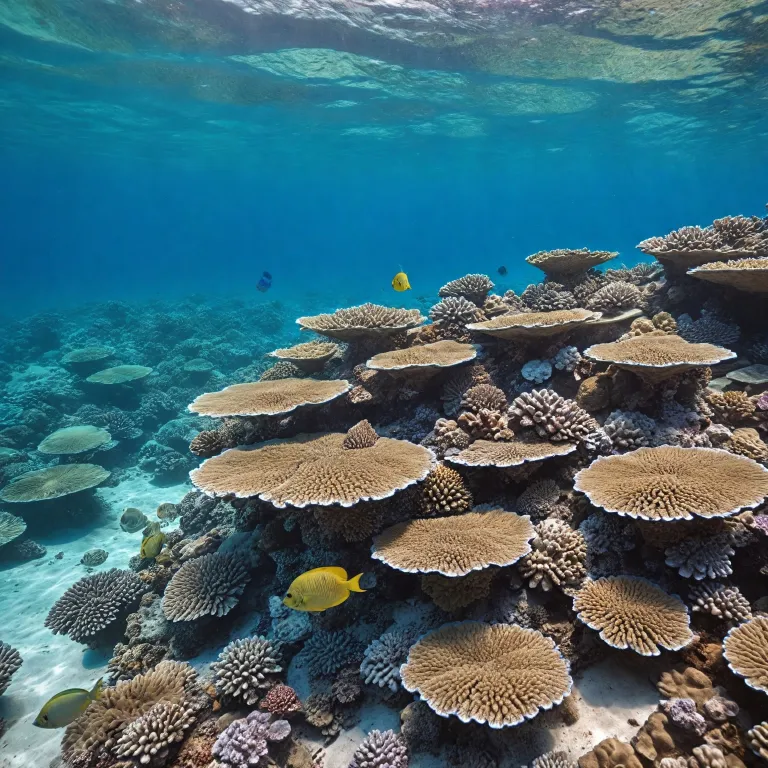
Planning your diving adventure in Australia’s Great Barrier Reef
Embarking on a diving journey in Australia’s Great Barrier Reef is a transformative experience for divers of all levels. The reef, stretching over 2,600 kilometers and comprising more than 2,900 individual reefs, offers a vast array of dive sites accessible from Cairns and Port Douglas. Whether you are a seasoned diver or considering your first open water course, the region provides opportunities for both day trips and extended liveaboard dive trips. Dive operators in Cairns and Port Douglas cater to every need, offering PADI-certified courses, introductory dives, and advanced scuba diving experiences. Preparing for your trip involves understanding the best time to visit, with the dry season from June to October offering optimal visibility and comfortable water temperatures. During this period, divers can expect clear days and the chance to encounter minke whales and other marine life unique to the Great Barrier Reef.
Before booking, ensure you meet all dive medical requirements, as operators require a completed medical questionnaire and, in some cases, a doctor’s clearance. Dive medical standards are strictly enforced to guarantee safety during underwater excursions. Booking your dive trip in advance is highly recommended, especially during peak seasons, to secure spots on popular day trips and liveaboard adventures. The region’s dive operators, such as Great Adventures Cruises and Quicksilver Cruises, are renowned for their expertise and commitment to sustainable diving practices. For those seeking a deeper connection with the reef, consider a night dive or a multi-day trip to explore remote reefs in the Coral Sea. Each dive promises new encounters with vibrant coral gardens, schools of fish, and the ever-present sense of wonder that defines diving in Australia’s Great Barrier Reef.
Understanding the diversity of dive sites and marine life
The Great Barrier Reef is celebrated for its extraordinary biodiversity, making it a premier destination for divers worldwide. From the bustling reefs near Cairns to the pristine waters of Agincourt Reef accessible from Port Douglas, each site offers unique underwater landscapes and marine encounters. Divers can explore shallow coral gardens teeming with colorful fish or descend to deeper sites where reef sharks and manta rays glide effortlessly. The reef’s 600 species of coral create intricate habitats for countless marine creatures, including turtles, clownfish, and the elusive minke whales that visit between June and November. The diversity of dive sites ensures that every trip, whether a single day or an extended liveaboard, reveals new wonders beneath the surface.
For those pursuing a PADI open water course, the Great Barrier Reef provides an ideal classroom with its calm, clear waters and abundant marine life. Certified divers can challenge themselves with advanced dives, night dives, or drift dives along the outer reefs. The Agincourt Reef, in particular, is renowned for its crystal-clear visibility and vibrant coral formations, making it a favorite among underwater photographers. Dive operators prioritize eco-friendly practices, using equipment and techniques that minimize environmental impact and support reef conservation. As you plan your dive trip, consider the variety of experiences available, from introductory scuba dives to specialized courses and conservation-focused excursions. For more insights on sustainable marine travel, explore this comprehensive guide on eco-friendly diving practices.
Preparing for your dive: medical, equipment, and safety essentials
Ensuring your health and safety is paramount when diving in Australia’s Great Barrier Reef. All divers, whether participating in a day trip or a multi-day liveaboard, must complete a dive medical questionnaire. Certain medical conditions may require clearance from a doctor, so it is essential to review your health status before booking. Dive operators provide comprehensive briefings on safety protocols, equipment use, and emergency procedures, ensuring every diver feels confident underwater. The use of wetsuits or stinger suits is mandatory during stinger season, which runs from November to May, to protect against jellyfish and other marine hazards. Water temperatures vary throughout the year, with the warmest conditions from December to February, making it comfortable for extended dives.
Scuba diving equipment is typically provided by operators, but divers are welcome to bring personal gear if preferred. Underwater cameras are popular for capturing the reef’s vibrant marine life, and many operators offer rental options for photography enthusiasts. Safety is further enhanced by the presence of experienced dive guides and instructors, many of whom hold advanced PADI certifications. For those interested in expanding their skills, enrolling in a PADI open water or advanced course during your trip is highly recommended. Dive Cairns and Port Douglas offer a range of courses tailored to different experience levels, ensuring every diver can safely enjoy the wonders of the reef. For a detailed checklist on preparing for your next dive trip, visit the resource on dive trip preparation essentials.
Exploring day trips, liveaboard adventures, and night dives
Diving in Australia’s Great Barrier Reef offers a variety of experiences, from single-day excursions to immersive multi-day liveaboard trips. Day trips are ideal for travelers with limited time, providing access to popular reefs near Cairns and Port Douglas. These trips typically include two to three dives, guided by experienced instructors who ensure safety and maximize your underwater experience. For those seeking a deeper connection with the reef, liveaboard adventures allow divers to explore remote sites in the Coral Sea and beyond. These extended trips offer the chance to visit less frequented reefs, participate in night dives, and witness the reef’s nocturnal marine life.
Night diving is a highlight for many, revealing a different side of the Great Barrier Reef as nocturnal species emerge and corals display bioluminescent colors. Dive operators such as Spirit of Freedom specialize in liveaboard journeys, combining comfort with unparalleled access to world-class dive sites. Whether you are a beginner or an experienced diver, these trips cater to all levels, offering PADI courses, guided dives, and opportunities for underwater photography. The flexibility of day trips and liveaboard options ensures that every diver can tailor their experience to match their interests and skill level.
Conservation, sustainability, and responsible diving practices
Preserving the Great Barrier Reef’s delicate ecosystems is a shared responsibility among divers, operators, and the broader marine community. Dive operators in Cairns and Port Douglas are at the forefront of sustainable tourism, implementing eco-friendly practices to minimize environmental impact. These include using mooring buoys instead of anchors, reducing single-use plastics, and supporting reef restoration projects. Divers are encouraged to follow responsible practices, such as maintaining buoyancy control, avoiding contact with corals, and participating in marine conservation programs. The growing popularity of citizen science initiatives allows divers to contribute to reef monitoring and data collection, supporting long-term conservation efforts.
Education is central to sustainable diving, with operators offering briefings on reef ecology, marine life identification, and the importance of protecting fragile habitats. Many dive trips include opportunities to learn about ongoing research and conservation projects, fostering a deeper appreciation for the reef’s biodiversity. The collaboration between local dive operators, marine conservation organizations, and research institutions ensures that tourism supports both the local economy and environmental stewardship. As you plan your diving great adventure, consider choosing operators committed to sustainability and participating in programs that give back to the reef. The impact of responsible diving extends beyond individual trips, contributing to the preservation of this UNESCO World Heritage site for future generations.
Seasonal highlights: marine life encounters and optimal dive conditions
The timing of your dive trip can greatly influence the experiences and marine life encounters in Australia’s Great Barrier Reef. The dry season from June to October is widely regarded as the best time for diving, offering clear, sunny weather and excellent underwater visibility. During this period, divers have the unique opportunity to spot minke whales and, occasionally, humpback whales as they migrate through the region. From April to September, manta rays and hammerhead sharks are more commonly seen, adding excitement to every dive. Water temperatures range from 22°C to 29°C, ensuring comfortable conditions for both short and extended dives.
Each season brings its own highlights, with the warmer months from December to February providing ideal conditions for exploring shallow reefs and vibrant coral gardens. Stinger season, from November to May, requires additional precautions, including the use of protective suits and adherence to safety guidelines. Dive operators provide up-to-date information on weather, water conditions, and marine life sightings, helping divers plan their trips for the most rewarding experiences. Whether you are interested in day trips, night dives, or liveaboard adventures, understanding the seasonal patterns enhances your ability to witness the reef’s dynamic marine life. As one expert notes, “Divers can encounter a variety of marine life, including clownfish, turtles, reef sharks, manta rays, and diverse coral species.” This diversity ensures that every dive in the Great Barrier Reef is both unique and unforgettable.
Key statistics about diving in Australia’s Great Barrier Reef
- The Great Barrier Reef stretches over 2,600 kilometers along Australia’s northeast coast.
- There are more than 2,900 individual reefs within the system.
- The reef is home to approximately 600 species of coral.
Frequently asked questions about diving in Australia’s Great Barrier Reef
What is the best time of year to dive in the Great Barrier Reef?
The best time to dive is during the dry season from June to October, offering clear, sunny weather and excellent visibility.
Do I need to be certified to dive in the Great Barrier Reef?
No, many operators offer introductory dives for beginners without certification, but certification is required for independent diving.
Are there any health restrictions for diving in the Great Barrier Reef?
Yes, divers must complete a medical questionnaire, and certain medical conditions may require clearance from a doctor.