Unveiling the best dive sites worldwide: where marine life thrives
Across the globe, unique dive sites offer a window into the extraordinary diversity of marine life and underwater landscapes. From the lush coral gardens of Raja Ampat to the dramatic depths of the Egyptian Red Sea, each site presents a distinct ecosystem. Divers seeking the best scuba experiences will find that these locations are celebrated for their vibrant coral reefs, abundant fish species, and the presence of iconic sharks and whale sharks. The allure of these sites lies not only in their beauty but also in their accessibility to divers of varying skill levels, from open water beginners to advanced divers. Year round, these destinations attract those eager to explore underwater wonders, whether through guided dives or liveaboard adventures. The preservation of these reefs and marine parks is crucial, as they serve as sanctuaries for countless species and offer some of the top dive opportunities on the planet.
Marine national parks such as those in French Polynesia and the Red Sea are renowned for their pristine waters and healthy coral reefs. These parks enforce strict regulations to protect marine life, ensuring that divers can witness thriving underwater ecosystems. The best diving experiences often occur in areas where conservation efforts are prioritized, resulting in flourishing coral gardens and encounters with rare marine species. Divers are encouraged to respect these environments by following responsible diving practices, which help maintain the delicate balance of these unique dive sites worldwide.
Legendary underwater sites: exploring history beneath the sea
Some of the most unique dive sites worldwide are steeped in history, offering divers the chance to explore underwater relics and shipwrecks. The SS Thistlegorm in the Egyptian Red Sea stands as a testament to the region’s wartime past, now serving as an underwater museum teeming with marine life. "The SS Thistlegorm is a World War II cargo ship sunk in the Red Sea, now serving as an underwater museum with well-preserved artifacts and abundant marine life." This site attracts both recreational and technical divers, who marvel at the preserved cargo and the schools of fish that now inhabit the wreck. The combination of historical significance and vibrant marine ecosystems makes the Thistlegorm one of the best dive sites for those interested in underwater archaeology and marine biodiversity.
In Dahab, Egypt, the Blue Hole is infamous for its depth and challenging conditions, drawing advanced divers from around the world. The site’s Arch, a submerged tunnel at 55 meters, is both a technical challenge and a place of somber reflection. "The Blue Hole in Dahab, Egypt, is known for its depth and the Arch, a submerged tunnel at 55 meters, making it a popular but challenging dive site." Over the years, the Blue Hole has claimed the lives of many divers, underscoring the importance of proper training and respect for strong currents. For those seeking guidance on safe diving practices and historical dive destinations, the diving safety resource offers essential information for planning dives at these legendary sites.
Coral reefs and marine parks: sanctuaries for biodiversity
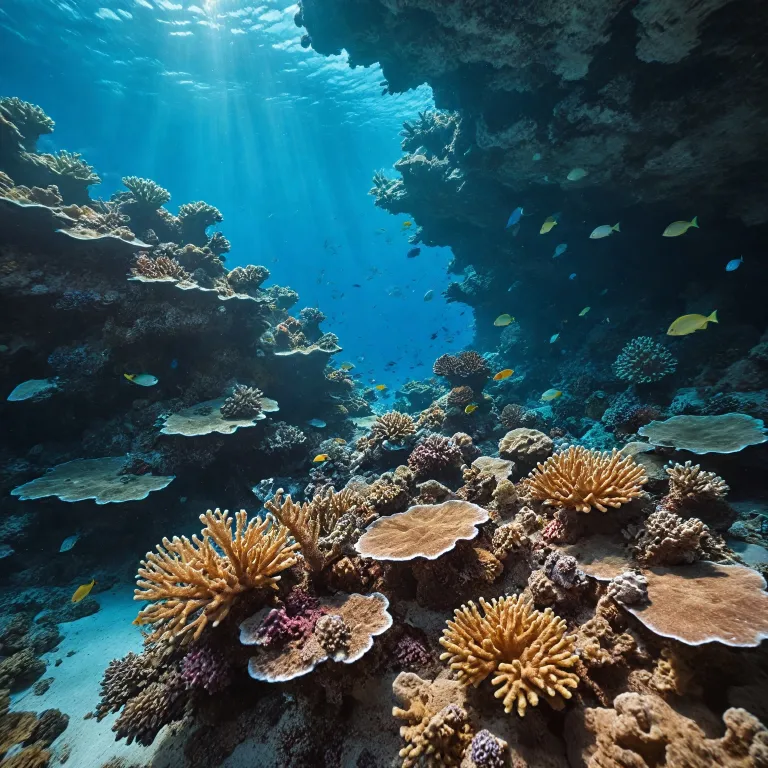
Coral reefs are the lifeblood of many unique dive sites worldwide, supporting an astonishing array of marine life. Raja Ampat, located in Indonesia, is often cited as one of the top dive destinations due to its unparalleled coral diversity and healthy fish populations. The region’s coral gardens are a magnet for divers seeking the best scuba experiences, with opportunities to encounter everything from tiny pygmy seahorses to majestic manta rays. French Polynesia’s marine parks also offer exceptional diving, with clear water, thriving coral reefs, and frequent sightings of sharks and whale sharks. These islands are a haven for both novice and advanced divers, providing year round access to some of the world’s best diving environments.
Marine parks play a vital role in preserving these ecosystems, enforcing regulations that limit fishing and protect vulnerable species. The use of innovative technologies, such as 3D printing for artificial reefs, is helping to restore damaged areas and create new habitats for marine life. Divers are encouraged to support conservation efforts by choosing operators committed to sustainable practices. For those interested in learning more about coral reef conservation and the latest advancements in marine protection, the coral reef conservation hub is an invaluable resource for divers and marine enthusiasts alike.
Encounters with sharks and whale sharks: the thrill of big marine life
For many divers, the chance to swim alongside sharks and whale sharks is the highlight of any underwater adventure. Unique dive sites worldwide such as Richelieu Rock in Thailand and the islands of the Red Sea are renowned for regular encounters with these magnificent creatures. "Richelieu Rock in Thailand is a solitary limestone pinnacle known for its purple corals and diverse marine life, including whale sharks and manta rays." These sites offer some of the best diving experiences for those seeking close encounters with large marine life, as strong currents often bring nutrient-rich water that attracts schools of fish and apex predators.
Shark dives are carefully managed to ensure both diver safety and the well-being of the animals. In many marine parks, strict guidelines are in place to minimize disturbance and promote responsible interactions. Whale sharks, the gentle giants of the sea, can often be seen gliding through the water in regions such as the Red Sea and French Polynesia. Divers are reminded to maintain a respectful distance and avoid touching these animals, as their protection is vital to the health of marine ecosystems. The presence of sharks and whale sharks is a testament to the success of conservation efforts in these top dive destinations, making them a must-visit for anyone passionate about marine life.
Liveaboard adventures and island hopping: maximizing your diving experience
Liveaboard trips offer divers the opportunity to explore multiple unique dive sites worldwide in a single journey. These floating dive centers provide access to remote reefs, underwater parks, and islands that are often unreachable by day boats. The best liveaboard itineraries include stops at top dive sites such as Raja Ampat, the Egyptian Red Sea, and the coral gardens of French Polynesia. Divers benefit from extended time on the water, allowing for multiple dives each day and the chance to witness marine life at different times, from early morning to night dives.
Island hopping is another popular way to experience the diversity of the world’s best diving locations. Each island offers its own unique underwater landscapes, from steep walls and drop-offs to shallow coral reefs teeming with fish. Advanced divers may seek out sites with strong currents, which often attract larger marine species and create dynamic diving conditions. Whether traveling by liveaboard or hopping between islands, divers are encouraged to research local regulations and choose operators with a strong commitment to marine conservation. These immersive experiences not only enhance diving skills but also foster a deeper appreciation for the fragile beauty of the underwater world.
Responsible diving and the future of unique dive sites worldwide
The continued health of unique dive sites worldwide depends on the actions of divers, operators, and local communities. Responsible diving practices, such as maintaining buoyancy control and avoiding contact with coral reefs, are essential for minimizing impact on fragile ecosystems. Divers are urged to support marine parks and conservation initiatives that protect the best dive sites and ensure their longevity for future generations. The development of artificial reefs using decommissioned military equipment and 3D printing technology is providing new habitats for marine life and helping to restore areas affected by overfishing or climate change.
Education and awareness are key to preserving the world’s top dive destinations. Divers should stay informed about local regulations, obtain the necessary certifications, and engage with reputable dive centers. By prioritizing sustainability and supporting conservation efforts, the diving community can help safeguard the coral reefs, marine parks, and underwater wonders that make these sites truly unique. The future of scuba diving and marine travel relies on a collective commitment to protecting the sea and its inhabitants, ensuring that the best diving experiences remain accessible year round.
Key statistics on unique dive sites worldwide
- Estimated deaths at the Blue Hole in Dahab over 15 years: 130 deaths (Tarek Omar, 2012)
Frequently asked questions about unique dive sites worldwide
What is the Blue Hole in Dahab known for?
The Blue Hole in Dahab, Egypt, is known for its depth and the Arch, a submerged tunnel at 55 meters, making it a popular but challenging dive site.
What makes Richelieu Rock unique?
Richelieu Rock in Thailand is a solitary limestone pinnacle known for its purple corals and diverse marine life, including whale sharks and manta rays.
What is the significance of the SS Thistlegorm wreck?
The SS Thistlegorm is a World War II cargo ship sunk in the Red Sea, now serving as an underwater museum with well-preserved artifacts and abundant marine life.
References: Tarek Omar, Hans Hass, Jacques-Yves Cousteau