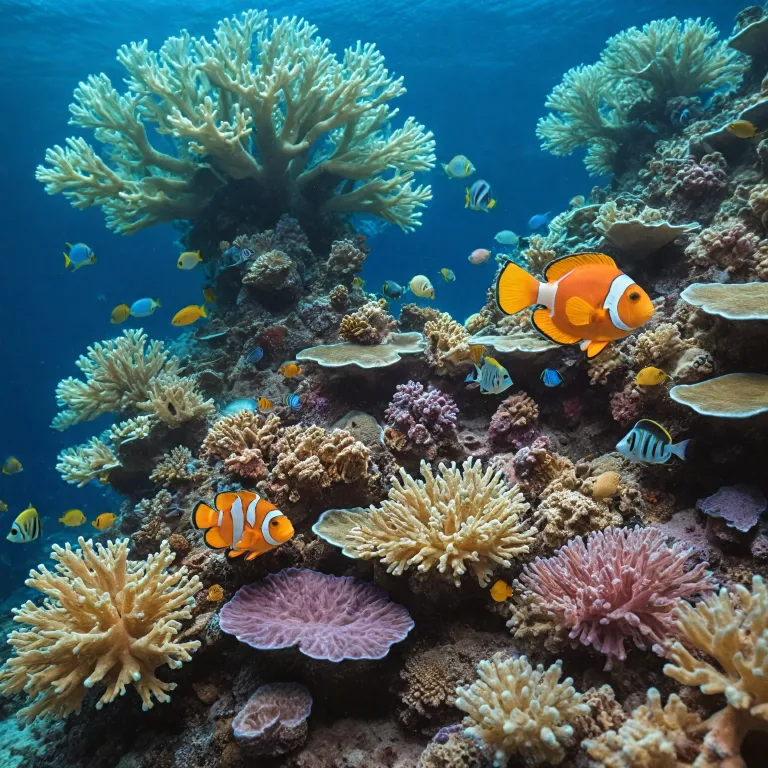
Understanding the essentials of tropical marine life identification
For travelers and divers seeking the best experiences in the tropical pacific, mastering tropical marine life identification is essential. The ability to identify fish, reef creatures, and coral species transforms each dive into an immersive journey. Whether you are snorkeling off remote islands or joining small groups for guided reef explorations, accurate identification enhances your appreciation of marine life and supports conservation efforts.
Coral reefs in the indo pacific region host an extraordinary diversity of fish species, from the vibrant blue surgeonfish to the elusive sea bass. Recognizing the unique features of each species, such as the shape of the dorsal fin or the patterns on reef fish, is crucial for both safety and enjoyment. Identification guides, including waterproof cards and digital resources, are invaluable tools for customers eager to learn more about the living sea around them.
Large schools of tropical fish swirl above coral gardens, while solitary reef creatures like the manta ray glide silently in the depths. Each encounter offers an opportunity for identification and deeper understanding. The ability to identify fish families and individual species not only enriches your dive but also contributes to ongoing research and marine conservation initiatives.
For those passionate about tropical marine life identification, consulting comprehensive guides such as those by Paul Humann, Ned DeLoach, and Florent Charpin is highly recommended. Their work provides detailed visual references for both common and rare species, supporting divers in their quest to identify and appreciate the full spectrum of marine biodiversity.
Key features and techniques for identifying reef fish and creatures
Effective tropical marine life identification relies on recognizing distinctive features among fish species and reef creatures. The tropical pacific is home to thousands of species, each with unique markings, body shapes, and behaviors. For example, the surgeonfish is easily identified by its sharp, scalpel-like tail, while the sea bass displays robust bodies and striking color patterns.
Coral reefs provide habitats for a wide range of reef fish, from small, brightly colored tropical fish to larger predators. Identification guides often categorize fish by families, such as angelfish, butterflyfish, and damselfish, making it easier for customers to identify fish during dives. The dorsal fin, body coloration, and swimming style are key indicators when attempting to identify species in the wild.
Snorkeling along the beach or exploring deeper reefs with small groups allows for close observation of marine life. Using a reliable identification guide, divers can note the presence of sea turtles, manta rays, and large schools of reef fish. Each sighting adds to your knowledge and supports the broader goal of marine conservation.
For those seeking to expand their expertise, participating in local marine conservation programs and using waterproof identification cards during snorkeling or diving activities are highly effective. For further reading on marine travel and identification, visit this comprehensive marine travel resource for in-depth guides and tips.
Exploring the diversity of coral reefs in the tropical pacific
The coral reefs of the tropical pacific are among the most biodiverse ecosystems on the planet. These vibrant underwater landscapes are home to an astonishing array of fish species, coral formations, and reef creatures. Identification tropical skills are especially valuable here, as the sheer number of species can be overwhelming for even experienced divers.
From the shallow lagoons of remote islands to the steep drop-offs of the indo pacific, each reef presents unique opportunities for fish identification. Reef fish such as parrotfish, wrasses, and triggerfish display a variety of colors and patterns, making identification both challenging and rewarding. Coral species themselves are also diverse, with hard and soft corals providing shelter for countless marine life forms.
Guided dives with small groups offer a structured approach to identification, allowing customers to learn from experts and share observations. The presence of large schools of fish, sea turtles, and occasional manta rays adds excitement to every excursion. For those interested in deepening their knowledge, this guide to coral reef biodiversity offers detailed information on species and habitats.
Accurate identification is not only a matter of personal satisfaction but also contributes to scientific research and conservation. As one expert notes, "Accurate identification is crucial for monitoring biodiversity, assessing the health of marine ecosystems, and implementing effective conservation strategies." This underscores the importance of using reliable identification guides and participating in citizen science initiatives.
Tools and resources for effective marine life identification
Modern divers and marine enthusiasts have access to a wealth of tools for tropical marine life identification. Comprehensive field guides, such as 'Tropical Pacific Reef Creature Identification' and 'Reef Fish Identification: Tropical Pacific,' cover thousands of species with high-quality photographs and detailed descriptions. These resources are indispensable for anyone seeking to identify fish, coral, and reef creatures accurately.
Digital platforms and online databases, like Florent's Guide To The Tropical Reefs, provide up-to-date information on nearly 2,000 species. These tools allow customers to quickly identify fish and reef creatures encountered during dives. Underwater cameras and photography equipment further enhance the identification process, enabling divers to document their sightings and compare them with guidebook images.
Waterproof identification cards are particularly useful for snorkeling and shallow dives, allowing for quick reference without leaving the water. Many dive operators offer identification guides tailored to local species, ensuring that customers can identify the most common and unique marine life in each region. For those planning a trip to the pacific islands, consulting regional marine life guides before departure is highly recommended. These tools not only support individual learning but also foster a deeper connection to the living sea and its inhabitants.
Best practices for marine life identification during dives and snorkeling
Successful tropical marine life identification requires a combination of preparation, observation, and respect for the marine environment. Before entering the water, familiarize yourself with the most common fish species, reef creatures, and coral types found in your chosen destination. Identification guides and online resources can help you recognize key features such as dorsal fins, body shapes, and color patterns.
During dives or snorkeling excursions, move slowly and maintain a respectful distance from marine life. This approach not only ensures your safety but also allows for more accurate identification. Large schools of fish, solitary reef creatures, and elusive species like the manta ray can be observed without causing disturbance. Always use waterproof identification cards or digital devices to record your observations.
Participating in small groups led by experienced guides enhances your ability to identify fish and reef creatures. Guides often share insights on local species, highlight unique behaviors, and assist with creature identification. Engaging in citizen science programs and sharing your underwater photographs with research organizations further supports marine conservation efforts.
Remember, the goal of identification is not only personal enrichment but also the preservation of coral reefs and marine ecosystems. By following best practices and using reliable identification guides, you contribute to the ongoing protection of the tropical pacific's extraordinary biodiversity.
Contributing to marine conservation through identification and education
Every diver and snorkeler plays a vital role in the conservation of tropical marine life. Accurate identification of fish species, reef creatures, and coral supports scientific research and informs conservation strategies. By learning to identify fish and other marine life, customers become advocates for the protection of coral reefs and the living sea.
Educational initiatives, such as marine life workshops and citizen science programs, empower individuals to participate in data collection and monitoring. Sharing your observations with organizations like the Reef Environmental Education Foundation helps track changes in fish populations and reef health. As one expert advises, "You can contribute by participating in citizen science programs, sharing your underwater photographs with marine research organizations, and supporting marine conservation initiatives."
Travelers visiting the pacific islands or exploring the indo pacific region are encouraged to support local conservation efforts. This includes respecting marine protected areas, avoiding contact with coral, and promoting sustainable tourism practices. The use of identification guides and participation in small groups led by knowledgeable guides further enhances your impact.
Ultimately, tropical marine life identification is more than a skill—it is a commitment to understanding and preserving the beauty and diversity of the world's coral reefs. By fostering a culture of education and stewardship, divers and travelers ensure that future generations will continue to enjoy the wonders of the sea.
Quantitative insights: tropical marine life identification in numbers
- Number of species covered in 'Tropical Pacific Reef Creature Identification': 1,600 species
- Number of species covered in 'Reef Fish Identification: Tropical Pacific': 2,000 species
- Number of species covered in 'Florent's Guide To The Tropical Reefs': 1,993 species
Frequently asked questions about tropical marine life identification
What are some recommended guides for identifying tropical marine life?
Some recommended guides include 'Tropical Pacific Reef Creature Identification' by Paul Humann and Ned DeLoach, 'Reef Fish Identification: Tropical Pacific' by Gerald R. Allen et al., and 'Florent's Guide To The Tropical Reefs' by Florent Charpin.
How can I contribute to marine life identification efforts?
You can contribute by participating in citizen science programs, sharing your underwater photographs with marine research organizations, and supporting marine conservation initiatives.
Why is accurate identification of marine species important?
Accurate identification is crucial for monitoring biodiversity, assessing the health of marine ecosystems, and implementing effective conservation strategies.