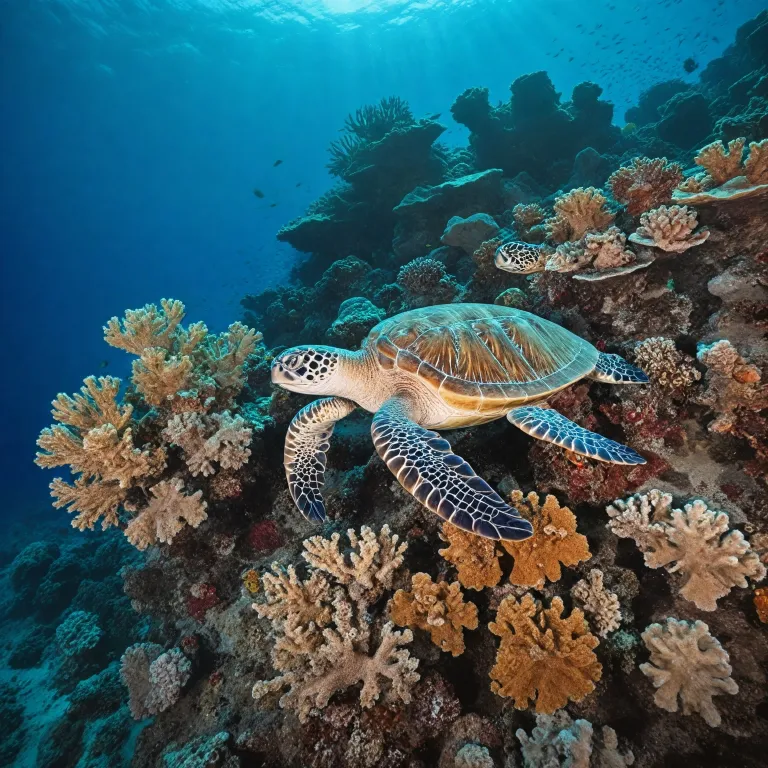
Immersing in the vibrant world of Red Sea diving: marine life and coral gardens
Diving in the Red Sea offers an unparalleled experience for divers seeking both adventure and tranquility. The region is celebrated for its crystal-clear waters, with visibility often reaching up to 60 meters, allowing divers to fully appreciate the kaleidoscopic coral gardens and abundant marine life. The Red Sea’s unique geographical position supports a remarkable diversity of species, from the smallest nudibranchs to the majestic oceanic whitetips. Scuba diving here means encountering thriving reefs teeming with anthias, butterflyfish, and the occasional sea turtle gliding through the blue expanse.
Coral gardens in the Red Sea are among the best in the world, with sites like Ras Mohammed and Elphinstone Reef drawing divers from across the globe. These dive sites are renowned for their vibrant hard and soft corals, forming intricate underwater landscapes that provide shelter for countless marine creatures. The Red Sea’s warm average water temperature of 26°C creates ideal conditions for both novice and experienced divers, making every dive a memorable journey into a living tapestry of color and movement.
Marine life encounters are a highlight of every trip, with divers frequently spotting reef sharks, moray eels, and schools of barracuda. The presence of pelagic species such as hammerhead sharks and whale sharks during certain months adds an element of excitement to sea diving adventures. Conservation efforts by marine organizations play a crucial role in preserving these ecosystems, ensuring that the Red Sea remains a premier destination for diving enthusiasts. For those seeking the best diving experiences, exploring the coral gardens and marine life of the Red Sea is an essential addition to any diver’s journey.
Exploring iconic dive sites: brothers islands, Ras Mohammed, and Elphinstone Reef
The Red Sea boasts a collection of world-class dive sites, each offering its own unique underwater spectacle. Among the most celebrated are the brothers islands, a pair of remote outcrops that rise dramatically from the deep south waters. These islands are famed for their challenging currents, pristine reefs, and encounters with oceanic whitetips and hammerhead sharks. The best diving at brothers islands often involves drift dives along steep walls adorned with soft corals and gorgonians, where divers can witness the full grandeur of the Red Sea’s marine biodiversity.
Ras Mohammed, located at the southern tip of the Sinai Peninsula, is another must-visit dive site. This marine park is renowned for its spectacular drop-offs, vibrant coral gardens, and large schools of fish. Divers are drawn to Ras Mohammed for its dramatic underwater topography and the chance to explore sites like Shark Reef and Yolanda Reef, where the interplay of currents brings nutrient-rich waters and a constant flow of marine life. Elphinstone Reef, near Marsa Alam, is equally legendary, offering exhilarating drift dives and the possibility of encountering oceanic whitetips and even the occasional manta ray.
Liveaboard diving is a popular way to access these remote sites, allowing divers to maximize their time underwater and experience the best diving conditions. For those planning a trip to the Red Sea, choosing a reputable liveaboard operator ensures access to the region’s most iconic dive sites. To further enhance your knowledge about the region’s marine wonders, visit this comprehensive guide to Red Sea dive sites for detailed insights and planning tips.
Wrecks and history beneath the waves: exploring the Red Sea’s sunken treasures
The Red Sea is not only celebrated for its reefs and marine life but also for its rich collection of historical wrecks. Diving enthusiasts are drawn to sites like the SS Thistlegorm, a legendary World War II wreck that rests in the northern Red Sea. This dive site offers a fascinating glimpse into history, with its cargo holds still containing motorcycles, trucks, and military equipment. Exploring wrecks in the Red Sea provides divers with a unique blend of adventure and education, as each site tells a story of maritime heritage and human endeavor.
Other notable wrecks include the Dunraven, Giannis D, and Carnatic, each offering distinct challenges and rewards for divers. These sites are accessible via both day trips and liveaboard diving excursions, making them suitable for a range of skill levels. The best diving experiences often involve multiple dives at these wrecks, allowing divers to explore their intricate structures and observe the marine life that now calls them home. Wreck diving in the Red Sea is a testament to the region’s ability to blend natural beauty with historical intrigue.
For those interested in expanding their wreck diving skills, the Red Sea offers numerous opportunities for advanced training and certification. Dive operators in the region provide specialized courses that focus on wreck penetration, navigation, and safety protocols. To learn more about the fascinating world of Red Sea wrecks and plan your next adventure, explore this expert resource on Red Sea wreck diving for in-depth information and recommendations.
Planning your Red Sea diving trip: logistics, safety, and best times to visit
Organizing a successful diving trip to the Red Sea requires careful planning and consideration of several key factors. The region offers year-round diving opportunities, with peak seasons typically falling between March and May and again from September to November. During these periods, divers can expect comfortable air and water temperatures, excellent visibility, and optimal marine life encounters. It is essential to research and choose reputable dive operators, as safety and professionalism are paramount in ensuring a memorable experience.
When planning your trip, consider the variety of diving methods available, including shore diving, boat diving, and liveaboard trips. Each approach offers unique advantages, from the convenience of shore access to the extended range and flexibility provided by liveaboard diving. Divers should also familiarize themselves with local regulations and safety protocols, particularly in light of past incidents such as the tourist submarine disaster off Hurghada. As stated in the dataset, “While the Red Sea offers exceptional diving, it's important to be aware of safety incidents, such as the 2025 tourist submarine disaster off Hurghada, Egypt, which resulted in six fatalities. Always choose reputable operators and adhere to safety protocols.”
For those seeking the best diving experiences, timing your visit to coincide with specific marine life events, such as the appearance of pelagic species, can add an extra dimension to your trip. Marsa Alam, Sharm Sheikh, and the deep south are all excellent starting points for exploring the region’s diverse dive sites.
Liveaboard diving: maximizing your Red Sea adventure
Liveaboard diving has become increasingly popular among divers seeking to explore the full breadth of the Red Sea’s underwater treasures. These trips offer the unique advantage of accessing remote dive sites, such as big brother, the brothers islands, and the deep south, which are often beyond the reach of day boats. Liveaboard vessels provide comfortable accommodations, expert guides, and the opportunity to complete multiple dives each day, making them ideal for both recreational and technical divers.
The best liveaboard diving experiences in the Red Sea combine world-class dive sites with a focus on safety, sustainability, and personalized service. Divers can expect to visit iconic locations like Ras Mohammed, Elphinstone Reef, and the coral gardens of the southern Red Sea, all while enjoying the camaraderie of fellow enthusiasts. The flexibility of liveaboard itineraries allows for spontaneous dives at sites where conditions are optimal, ensuring that each trip is tailored to the preferences and skill levels of the group.
Liveaboard diving also supports marine conservation efforts by promoting responsible tourism and minimizing the environmental impact of diving activities. Many operators collaborate with marine conservation organizations to implement eco-friendly practices, such as waste reduction and reef protection initiatives. For divers seeking the best diving experiences in the Red Sea, a liveaboard trip offers an unparalleled opportunity to immerse in the region’s marine wonders while supporting sustainable tourism.
Marine conservation and sustainable diving in the Red Sea
Preserving the Red Sea’s extraordinary marine ecosystems is a shared responsibility among divers, operators, and conservation organizations. The region’s coral reefs and marine life face ongoing threats from climate change, pollution, and unsustainable tourism practices. Marine conservation organizations, such as the Red Sea Marine Conservation Trust, play a vital role in promoting sustainable diving and protecting the biodiversity that makes the Red Sea a global diving hotspot.
Eco-friendly diving practices are increasingly embraced by both operators and divers, with initiatives ranging from reef-safe sunscreen use to participation in underwater clean-up events. Advancements in diving technology and education have also contributed to more responsible interactions with marine life and habitats. Divers are encouraged to support conservation efforts by choosing operators committed to sustainability and by adhering to guidelines that minimize their environmental footprint.
The impact of these efforts is evident in the continued health and vibrancy of the Red Sea’s coral gardens and marine populations. By fostering a culture of stewardship and respect for the ocean, the diving community ensures that future generations will have the opportunity to experience the best diving the Red Sea has to offer. For those passionate about marine life and conservation, participating in sustainable diving initiatives adds a meaningful dimension to every dive.
Red Sea diving statistics: key facts and figures
- Average water temperature: 26°C
- Visibility range: up to 60 meters
- Number of dive sites: approximately 1,000
Frequently asked questions about diving in the Red Sea
What is the best time to dive in the Red Sea?
Diving is possible year-round, but March to May and September to November offer optimal conditions with comfortable temperatures and excellent visibility.
Are there any safety concerns for diving in the Red Sea?
While the Red Sea offers exceptional diving, it's important to be aware of safety incidents, such as the 2025 tourist submarine disaster off Hurghada, Egypt, which resulted in six fatalities. Always choose reputable operators and adhere to safety protocols.
What marine life can I expect to see while diving in the Red Sea?
Divers can encounter a variety of marine life, including coral reefs, reef sharks, sea turtles, and, during certain seasons, pelagic species like hammerhead sharks and whale sharks.