Caribbean dive sites: a gateway to vibrant marine life
The Caribbean is renowned for its exceptional dive sites, offering scuba divers access to some of the world’s most vibrant marine ecosystems. From the coral reefs of Bonaire to the dramatic walls of the Cayman Islands, each location presents unique underwater landscapes. The region’s clear water and year-round warm temperatures make it a premier destination for both novice and experienced divers seeking the best diving experiences.
Scuba diving in the Caribbean reveals a tapestry of marine life, including colorful reef fish, turtles, and the occasional appearance of whale sharks. The islands scattered across the Caribbean Sea provide access to over 330 recognized dive sites, each with its own character and biodiversity. Whether you are exploring the famous dive sites of the Bahamas or the lesser-known reefs off Panama’s Caribbean side, the diversity is unmatched.
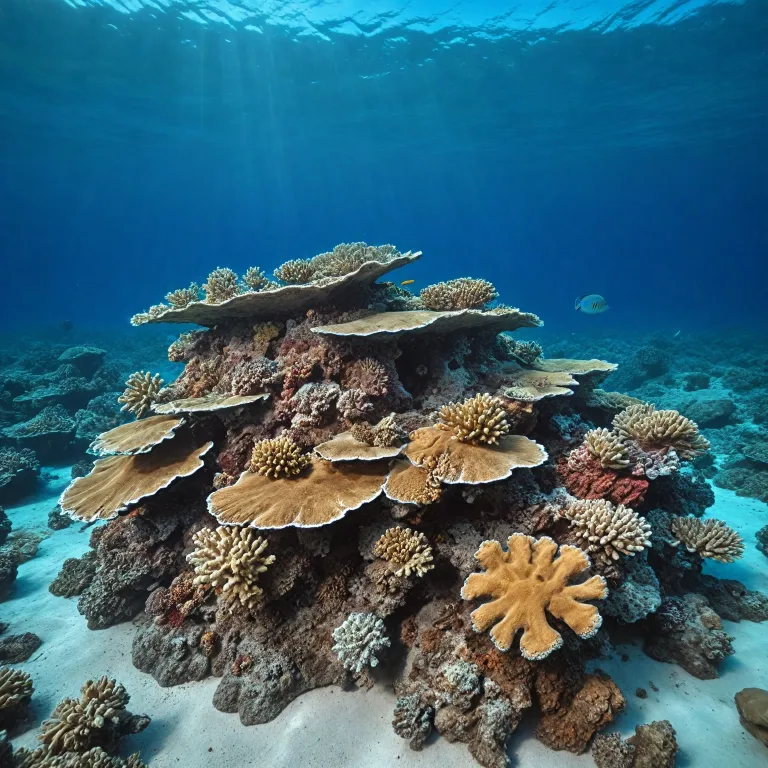
Coral reefs form the backbone of many Caribbean dive sites, supporting a rich array of marine life and offering dramatic underwater scenery. The best dive experiences often occur along these reefs, where divers encounter everything from tiny seahorses to majestic eagle rays. For those passionate about marine travel, the Caribbean’s underwater world is a continual source of fascination and discovery.
Iconic reefs and famous dive sites: from the blue hole to del toro
Among the most famous dive sites in the Caribbean is the Great Blue Hole, located off the coast of Belize. This massive marine sinkhole attracts scuba divers from around the globe, eager to descend into its deep blue waters and witness the unique geological formations. The site is also home to a variety of sharks, including reef and nurse sharks, making it a highlight for those seeking encounters with larger marine life.
On the Pacific side of Panama, Isla del Toro is celebrated for its dramatic underwater topography and the presence of schooling hammerhead sharks. While technically outside the Caribbean Sea, it is often included in discussions of the region’s best diving destinations due to its proximity and appeal. The island’s dive sites offer challenging currents and the thrill of encountering large pelagic species.
Bocas del Toro, on Panama’s Caribbean side, is another must-visit destination for scuba divers. Its shallow reefs and abundant marine life make it ideal for both beginners and advanced divers. The area’s coral reefs are teeming with life, from vibrant sponges to elusive octopuses, ensuring every dive is memorable. For more insights on marine biodiversity and conservation, explore this comprehensive guide to marine life in the Caribbean.
Marine life encounters: sharks, whale sharks, and vibrant reefs
One of the greatest attractions of the Caribbean’s dive sites is the opportunity to encounter a wide range of marine life. Scuba divers can expect to see everything from small reef fish to the imposing presence of whale sharks, especially in areas like the Yucatán Peninsula and Honduras. These gentle giants are seasonal visitors, and their presence transforms a routine dive into an extraordinary experience.
Sharks are a common sight at many of the best dive sites in the Caribbean, including reef sharks, nurse sharks, and the occasional hammerhead. Their presence is a testament to the health of the region’s marine ecosystems. Coral reefs, such as those found in Bonaire and the Cayman Islands, support not only sharks but also a dazzling variety of other marine life, including rays, turtles, and moray eels.
For those interested in the intersection of adventure and conservation, the Caribbean offers numerous opportunities to participate in eco-friendly diving practices. Many local operators emphasize the importance of protecting coral reefs and marine life, ensuring that future generations of scuba divers can enjoy these underwater treasures. Learn more about sustainable travel and diving practices at responsible diving in the Caribbean.
Caribbean islands and their unique dive destinations
The islands of the Caribbean each offer their own distinctive dive experiences, shaped by geography, currents, and marine biodiversity. Bonaire is celebrated for its shore diving opportunities, allowing divers to access world-class reefs directly from the beach. The island’s commitment to marine conservation has made it a model for sustainable scuba diving tourism.
The Cayman Islands are home to some of the best dive sites in the Caribbean, including the famous Bloody Bay Wall and Stingray City. These sites attract scuba divers year-round, drawn by the promise of clear water, dramatic drop-offs, and abundant marine life. The region’s coral reefs are among the healthiest in the Caribbean Sea, providing vital habitat for countless species.
On the Caribbean side of Panama, Bocas del Toro offers a different flavor of diving, with shallow reefs and mangrove forests supporting a unique array of marine life. The area is particularly popular with underwater photographers, who are drawn to the vibrant colors and diverse subjects.
Planning your scuba diving adventure: tips for divers
When planning a scuba diving trip to the Caribbean, it is essential to consider factors such as certification requirements, seasonal weather patterns, and local regulations. "Do I need a certification to dive in the Caribbean? Yes, a recognized scuba diving certification is typically required to participate in dives." This ensures safety and allows divers to access a wider range of dive sites, from shallow reefs to deep walls.
The best time for diving in the Caribbean varies by location. For example, "The best time varies by location; for example, The Bahamas' high season is December to April, while Bonaire offers year-round diving." Understanding these seasonal variations can help divers plan their trips for optimal conditions. Many islands offer both boat and shore diving, giving visitors flexibility in how they explore the underwater world.
Equipment advancements have made scuba diving more accessible and enjoyable, with modern dive computers and underwater cameras enhancing the experience. Local dive shops and liveaboard operators provide essential support, from guided dives to equipment rentals. Always check local regulations and ensure your certification is up to date before embarking on your Caribbean adventure.
Conservation and the future of Caribbean dive sites
Marine conservation is a central theme in the Caribbean, as the health of coral reefs and marine life directly impacts the region’s appeal as a diving destination. Initiatives to protect coral reefs, reduce pollution, and promote sustainable tourism are increasingly important. Divers play a vital role in these efforts by following best practices and supporting eco-friendly operators.
The Mesoamerican Reef, stretching over 600 miles, is one of the Caribbean’s most significant marine ecosystems. It supports a vast array of marine life and is a focal point for conservation efforts. As interest in eco-friendly diving grows, more divers are seeking out operators who prioritize environmental stewardship and responsible practices.
Underwater photography and citizen science projects are also on the rise, with scuba divers contributing valuable data on marine life and reef health. By participating in these initiatives, divers help ensure that the Caribbean remains one of the world’s best dive destinations for generations to come.
Key statistics on Caribbean dive sites and marine life
- Number of recognized dive sites in the Caribbean: 330 sites
- Length of the Mesoamerican Reef: 600 miles
Frequently asked questions about diving in the Caribbean
What is the best time to dive in the Caribbean?
The best time varies by location; for example, The Bahamas' high season is December to April, while Bonaire offers year-round diving.
Do I need a certification to dive in the Caribbean?
Yes, a recognized scuba diving certification is typically required to participate in dives.
Are there beginner-friendly dive sites in the Caribbean?
Yes, many Caribbean destinations offer dive sites suitable for beginners, such as the Coral Gardens in Grand Cayman.
References:
PADI (Professional Association of Diving Instructors): https://www.padi.com/
National Geographic: https://www.nationalgeographic.com/
Lonely Planet: https://www.lonelyplanet.com/