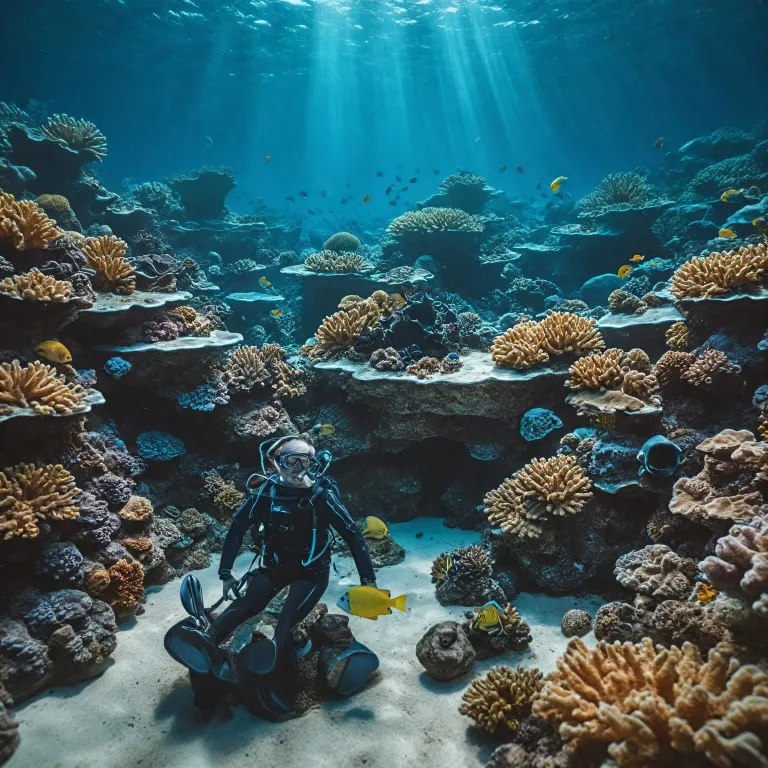
Understanding the essentials: What every diver needs in their gear
Choosing the right dive gear is fundamental for safety and enjoyment in scuba diving. Each diver must consider the specific demands of their diving environment, such as water temperature, currents, and depth. Scuba equipment is not one-size-fits-all; the right combination of diving gear ensures comfort, efficiency, and the ability to breathe underwater with confidence.
Start by evaluating the core components: diving mask, fins, wetsuit or dry suit, buoyancy control device (BCD), regulator, tank, and dive computer. Each piece of scuba gear plays a unique role in the underwater experience. For example, a well-fitted diving mask prevents leaks and enhances underwater visibility, while a reliable BCD provides essential buoyancy control. Divers should always try on dive gear before purchasing to ensure proper fit, as comfort directly impacts safety and performance.
Modern innovations in materials and technology have improved the durability and efficiency of dive gear. Lightweight fins and integrated weight systems are now standard, making travel and underwater movement easier. The choice between a wetsuit and a dry suit depends on water temperature; a 3mm wetsuit is typically sufficient for warm water, while dry suits offer superior insulation in colder conditions. Remember, investing in quality scuba equipment from reputable manufacturers ensures reliability and longevity.
Consulting with experienced divers or professionals at a local dive shop can provide valuable guidance. Dive shops offer the opportunity to test different diving masks, fins, and BCDs, helping divers make informed decisions. As the saying goes, "Place the mask on your face without using the strap, inhale through your nose, and see if it stays in place without air leaks. This indicates a good fit." This advice is crucial for selecting the right diving mask, a cornerstone of effective dive gear.
Evaluating fit and comfort: The foundation of effective scuba equipment
Proper fit is the cornerstone of choosing scuba gear, directly influencing safety and comfort underwater. Divers must pay close attention to how each piece of equipment feels during movement and while stationary. Ill-fitting diving masks, fins, or wetsuits can cause discomfort, leaks, or even safety hazards during a dive.
When selecting a wetsuit or dry suit, consider the thickness and flexibility of the material. A snug fit is essential to prevent water from flushing through, which can quickly lead to heat loss. For warm water diving, a 3mm wetsuit offers adequate thermal protection, while colder environments may require thicker wetsuits or a dry suit. The weight system and integrated weight options should also be evaluated for comfort and ease of adjustment.
Fins should fit securely without pinching or excessive looseness. Try on several pairs at a dive shop to find the best match for your foot shape and diving style. The same principle applies to BCDs and buoyancy control devices; adjustable straps and ergonomic designs enhance comfort and control. Dive computers and dive masks must also be tested for fit and visibility, as these are critical for monitoring air supply and navigating underwater.
For those new to scuba diving, renting gear before purchasing allows for experimentation with different brands and models. As one expert notes, "As a beginner, renting gear can be cost-effective and allows you to try different equipment before making a purchase. However, investing in personal items like masks and snorkels is recommended for hygiene and comfort." This approach ensures divers make informed choices when investing in their own scuba gear. For more insights on equipment fit and comfort, explore our comprehensive diving gear fit guide.
Key considerations for choosing dive gear based on environment and experience
Every dive environment presents unique challenges that influence the selection of diving gear. Water temperature, visibility, current strength, and depth all play a role in determining the most suitable scuba equipment. Experienced divers often tailor their gear to specific locations, while beginners benefit from versatile, easy-to-use options.
For tropical waters, lightweight wetsuits, open-heel fins, and compact dive computers are popular choices. In colder regions, dry suits, thicker gloves, and advanced buoyancy control devices become essential. The tank will also vary depending on dive duration and depth; larger tanks provide extended air supply for deep blue explorations. Integrated weight systems are increasingly favored for their streamlined design and improved comfort.
Underwater photography enthusiasts require specialized gear, such as high-clarity diving masks and mountable dive computers. The choice of regulator and BCD should reflect the diver’s experience level and the demands of the dive. Consulting with a local dive shop or certified instructor can help divers match their equipment to their environment and skill set. For a detailed breakdown of environment-specific gear, visit our environmental dive gear selection resource.
Maintenance is another critical factor. Regular inspection and servicing of scuba gear, especially tanks, regulators, and buoyancy control devices, ensure reliability and safety. Divers should always consider the long-term durability of their equipment, as well-maintained gear enhances the overall diving experience and reduces the risk of malfunctions underwater.
Technological advancements in scuba equipment: Enhancing safety and performance
The world of diving gear has seen remarkable advancements in recent years, driven by innovation in materials and design. Dive computers have revolutionized how divers monitor their profiles, track air consumption, and plan safe ascents. These devices are now more user-friendly, compact, and feature-rich, making them indispensable for both recreational and technical divers.
Modern BCDs and buoyancy control devices offer improved adjustability, integrated weight systems, and streamlined profiles. This enhances underwater maneuverability and reduces drag, allowing divers to move efficiently through the deep blue. Fins have also evolved, with lightweight materials and ergonomic foot pockets providing greater propulsion with less effort.
Scuba gear manufacturers are increasingly focusing on eco-friendly materials and sustainable production practices. This shift benefits both divers and the marine environment, aligning with the growing interest in responsible underwater exploration. Divers should consider these factors when choosing new equipment, as sustainable choices contribute to the preservation of dive sites worldwide.
Underwater photography has also benefited from technological progress. High-definition cameras, specialized diving masks, and mounting systems enable divers to capture stunning images while maintaining safety and control.
Practical tips for maintaining and upgrading your diving gear
Proper maintenance is essential for extending the lifespan of scuba equipment and ensuring safety on every dive. After each use, rinse all gear thoroughly with fresh water to remove salt, sand, and debris. Pay special attention to regulators, BCDs, and dive computers, as these components are critical for air delivery and buoyancy control.
Store diving gear in a cool, dry place away from direct sunlight. Inspect wetsuits and dry suits for signs of wear, such as tears or degraded seals, and repair them promptly. Tanks should be visually inspected and pressure-tested regularly by certified professionals to guarantee structural integrity and air quality.
Upgrading gear is a natural part of a diver’s journey. As skills and interests evolve, divers may seek advanced dive computers, specialized fins, or integrated weight systems for enhanced performance. When considering new purchases, consult with experienced divers, instructors, or reputable dive shops to ensure compatibility and suitability for your diving style.
Remember, investing in high-quality scuba gear pays dividends in safety, comfort, and enjoyment. Regular maintenance and timely upgrades keep your equipment reliable, allowing you to focus on the wonders of the underwater world without distraction.
Expert guidance: Leveraging dive shops and professional advice for optimal gear selection
Local dive shops are invaluable resources for divers seeking personalized advice and hands-on experience with scuba equipment. Knowledgeable staff can guide you through the process of choosing dive gear, ensuring each item meets your specific needs and preferences. Many shops offer equipment fitting sessions, allowing divers to test diving masks, fins, and BCDs before making a commitment.
Certified instructors provide additional expertise, especially for those new to scuba diving or exploring advanced techniques. Their insights into buoyancy control, weight systems, and dive computers help divers make informed decisions. Building a relationship with a trusted dive shop also ensures access to maintenance services, equipment upgrades, and the latest innovations in diving gear.
When selecting gear, consider the reputation and warranty offered by manufacturers. Reliable brands stand behind their products, offering peace of mind and long-term support. As the dataset notes, "Invest in quality gear from reputable manufacturers to ensure durability and reliability." This principle applies to every aspect of scuba equipment, from tanks and regulators to wetsuits and underwater photography accessories.
Engaging with the diving community, both online and in person, provides ongoing opportunities to learn and share experiences. Whether you are a novice or a seasoned diver, leveraging expert guidance ensures your dive gear is always suited to your adventures beneath the waves.
Personalizing your dive gear: Balancing safety, comfort, and individual style
Every diver brings unique preferences and requirements to their underwater pursuits. Personalizing dive gear is about more than aesthetics; it’s about optimizing safety, comfort, and performance. Consider your diving frequency, travel habits, and specific interests, such as underwater photography or technical diving, when assembling your scuba equipment.
Customizable options, such as modular BCDs, adjustable fins, and interchangeable diving masks, allow divers to tailor their gear to changing conditions and personal growth. Integrated weight systems and advanced dive computers further enhance the diving experience, providing real-time data and streamlined profiles. The right combination of equipment supports both recreational dives and more challenging explorations in the deep blue.
Safety should always be the top priority. Ensure all gear is properly maintained, regularly serviced, and suited to your current skill level. As you gain experience, revisit your equipment choices to reflect new goals and environments. The process of choosing scuba gear is ongoing, evolving alongside your journey as a diver.
Ultimately, the best dive gear is the one that empowers you to explore underwater with confidence and joy. By balancing expert advice, personal preferences, and a commitment to quality, every diver can assemble a kit that meets their needs and enhances every adventure beneath the surface.
Key statistics on dive gear selection and usage
- Increased use of dive computers for monitoring dive profiles.
- Preference for lightweight and travel-friendly dive gear among divers.
- Growing interest in eco-friendly and sustainable diving equipment.
Frequently asked questions about choosing dive gear
How do I choose the right size for a dive mask?
Place the mask on your face without using the strap, inhale through your nose, and see if it stays in place without air leaks. This indicates a good fit.
What thickness wetsuit should I use for warm water diving?
For warm water diving, a 3mm wetsuit is typically sufficient to provide thermal protection.
Is it better to buy or rent dive gear as a beginner?
As a beginner, renting gear can be cost-effective and allows you to try different equipment before making a purchase. However, investing in personal items like masks and snorkels is recommended for hygiene and comfort.
References: Divers Alert Network, PADI, Scuba Diving Magazine.