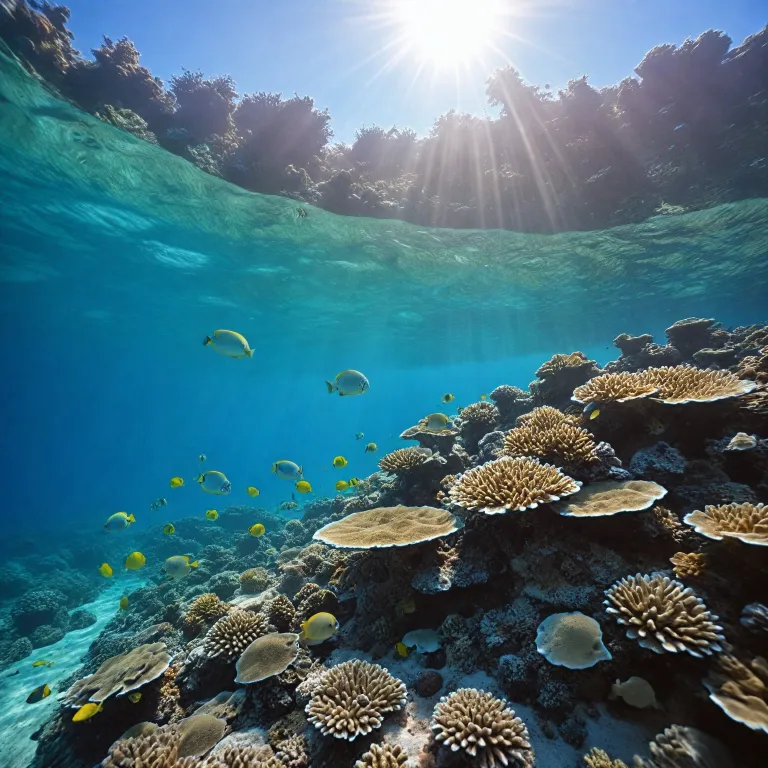
Understanding the value of volunteer marine conservation trips
Volunteer marine conservation trips offer a unique opportunity for individuals to engage directly in the preservation of our oceans. These programs immerse volunteers in hands-on conservation work, allowing them to contribute to the health of marine ecosystems. Whether monitoring coral reefs, participating in turtle conservation, or supporting shark conservation, every project is designed to make a measurable difference.
Marine conservation volunteering is not limited to one region; programs span islands, coastal countries, and remote reefs. Volunteers often work alongside local experts, contributing to citizen science initiatives that collect vital data on marine life. The durations of these programs vary, with options ranging from a few weeks to several months, accommodating different levels of commitment and experience.
Many conservation volunteer programs emphasize education and public outreach. Volunteers help raise awareness about the threats facing coral reefs, sea turtles, and other marine species. Through their efforts, they support ongoing research and foster a global community dedicated to marine conservation. The impact of these projects is amplified by the collaboration between local organizations, academic institutions, and government agencies.
For those interested in diving, marine conservation trips often include underwater research. Volunteers may assist with coral reef health assessments, monitor sea turtle nesting sites, or participate in whale and dolphin surveys. Each program is tailored to address specific conservation needs, ensuring that every volunteer's work contributes meaningfully to the protection of marine life.
Preparation is key for a successful experience. Prospective volunteers should research the requirements of their chosen program, including necessary diving certifications and physical readiness. Respect for local cultures and environmental regulations is essential, as is a willingness to adapt to varying weather and sea conditions. These trips are not only about giving back but also about personal growth and learning.
By joining a marine conservation project, volunteers become part of a broader movement to safeguard our oceans. The work they do supports the resilience of coral reefs, the survival of endangered sea turtles, and the health of marine ecosystems worldwide. Their contributions are vital in the fight against climate change and the ongoing degradation of marine habitats.
Key activities and roles in marine conservation volunteering
Marine conservation volunteering encompasses a wide range of activities, each designed to address specific environmental challenges. Volunteers may participate in coral reef monitoring, where they assess the health of coral reefs and document changes over time. This data is crucial for understanding the impacts of climate change and human activity on these fragile ecosystems.
Sea turtle conservation is another popular program, with volunteers assisting in the protection of nesting sites and the monitoring of hatchling success rates. These efforts are vital for the survival of sea turtles, which face numerous threats from habitat loss and pollution. Volunteers may also engage in reef conservation, working to restore damaged coral reefs and promote the recovery of marine life.
Many programs incorporate citizen science, allowing volunteers to contribute to large-scale data collection efforts. This approach not only supports scientific research but also empowers individuals to take an active role in marine conservation. Volunteers may use snorkeling and diving equipment, GPS devices, and underwater cameras to gather information on marine species and habitats.
Educational outreach is a key component of many marine conservation projects. Volunteers help raise awareness about the importance of marine ecosystems and the need for sustainable practices. They may organize workshops, lead guided tours, or develop educational materials for local communities and visitors. This work supports long-term conservation goals by fostering a culture of environmental stewardship.
Accommodation and meals are typically provided as part of the program, ensuring that volunteers can focus on their conservation work. The durations of these trips vary, with options to suit different schedules and levels of experience. Some programs offer pre-departure training to prepare volunteers for the challenges of working in marine environments.
For those interested in exploring more about marine conservation volunteering, the marine conservation programs page provides detailed information on available projects, requirements, and application processes. This resource is invaluable for anyone considering a role in marine conservation.
Choosing the right program: factors to consider for impactful volunteering
Selecting the right marine conservation program is essential for a rewarding and impactful experience. Prospective volunteers should consider the specific conservation goals of each project, such as coral reef restoration, sea turtle monitoring, or whale and dolphin research. Understanding the focus of the program helps ensure that your skills and interests align with the needs of the project.
Program durations vary, with some offering short-term placements of a few weeks and others requiring longer commitments. Consider your availability and the level of immersion you seek. Some projects may require diving certifications or prior experience, while others welcome volunteers with no background in marine science. Training is often provided to ensure that all participants can contribute effectively.
Location is another important factor. Marine conservation projects are found on islands, coastal regions, and remote reefs around the world. Each location offers unique opportunities to engage with different marine species and habitats. Consider the logistics of travel, accommodation, and meals, as well as the support provided by the organization.
Financial considerations are also important. Program fees may cover accommodation, meals, training, and equipment. Some organizations offer scholarships or financial assistance to support volunteers. It is essential to understand what is included in the program cost and to budget accordingly.
Reputable organizations, such as Biosphere Expeditions, Oceanic Society, and Outreach Overseas, offer well-structured programs with clear conservation objectives. These organizations provide country support and ensure that volunteers are well-prepared for their roles. For more information on selecting a program, visit the marine conservation volunteer guide for tips and recommendations.
By carefully considering these factors, volunteers can choose a program that matches their interests and maximizes their impact on marine conservation. The right project will provide meaningful work, valuable learning experiences, and the opportunity to contribute to the health of our oceans.
Living and working on location: what to expect during your conservation trip
Life as a marine conservation volunteer is both challenging and rewarding. Volunteers typically live in shared accommodation, often located near the project site. Meals are provided, with an emphasis on local cuisine and sustainable sourcing. This arrangement fosters a sense of community among volunteers and staff, creating a supportive environment for conservation work.
Daily routines vary depending on the program and location. Volunteers may start the day with early morning surveys of sea turtle nesting sites or participate in reef health assessments. Diving and snorkeling are common activities, allowing volunteers to observe marine life and collect data on coral reefs, fish populations, and other key indicators. Safety is a top priority, with comprehensive briefings and equipment checks conducted before each activity.
Work schedules are structured to balance conservation tasks with rest and recreation. Volunteers often have opportunities to explore the local area, participate in cultural activities, and engage with the community. This holistic approach enhances the overall experience and deepens the connection to the marine environment.
Physical fitness and adaptability are important for volunteers, as fieldwork can be demanding. Weather conditions, sea states, and project requirements may change unexpectedly. Volunteers must be prepared to adjust their plans and work collaboratively with team members. Respect for local customs and environmental regulations is essential to ensure the success of the project.
Support is provided throughout the program, with experienced staff available to assist with any challenges. Pre-departure information and training sessions help volunteers prepare for their roles and understand the expectations of the project. This comprehensive support system ensures that volunteers can focus on their conservation work and make a meaningful contribution. This resource is invaluable for preparing for the unique challenges and rewards of marine conservation volunteering.
The science behind marine conservation: data collection and citizen science
Data collection is at the heart of marine conservation volunteering. Volunteers play a crucial role in gathering information on marine life, coral reefs, and environmental conditions. This data supports scientific research and informs conservation strategies aimed at protecting vulnerable species and habitats.
Citizen science is a key innovation in marine conservation, enabling large-scale data collection through the participation of volunteers. Projects may involve monitoring coral reefs, conducting fish surveys, or tracking the movements of sea turtles and marine mammals. Volunteers use a range of tools, including underwater cameras, GPS devices, and data sheets, to record their observations.
The information collected by volunteers is used to assess the health of marine ecosystems and identify trends over time. For example, data on coral bleaching events, sea turtle nesting success, and fish population dynamics help researchers understand the impacts of climate change and human activity. This knowledge is essential for developing effective conservation strategies and measuring the success of restoration efforts.
Volunteers also contribute to public education by sharing their findings with local communities and visitors. Educational outreach activities raise awareness about the importance of marine conservation and promote sustainable practices. This dual focus on research and education amplifies the impact of volunteer programs and fosters a culture of environmental stewardship.
Collaboration with local organizations, government agencies, and academic institutions enhances the effectiveness of marine conservation projects. Volunteers work alongside experts in the field, gaining valuable skills and knowledge while contributing to meaningful research. This partnership approach ensures that conservation efforts are grounded in scientific evidence and community engagement.
By participating in data collection and citizen science, volunteers help build a comprehensive understanding of marine ecosystems. Their contributions are vital for protecting coral reefs, sea turtles, and other marine species from the threats posed by climate change and human activity.
Long-term impact: how volunteering supports marine conservation and local communities
Volunteer marine conservation trips have a lasting impact on both the environment and local communities. The work of volunteers supports the restoration of coral reefs, the protection of sea turtles, and the conservation of marine life. These efforts contribute to the resilience of marine ecosystems and the sustainability of coastal communities.
Conservation volunteering also provides economic benefits to local communities. Program fees support local businesses, create jobs, and fund conservation initiatives. Volunteers often engage in community-based projects, working alongside residents to address environmental challenges and promote sustainable development.
Education is a key component of long-term impact. Volunteers help raise awareness about the importance of marine conservation and inspire others to take action. Through workshops, school programs, and public events, they share their knowledge and encourage responsible behavior. This ripple effect extends beyond the immediate project, fostering a culture of stewardship and environmental responsibility.
Technological innovation is enhancing the effectiveness of marine conservation efforts. The use of drones, remote sensing, and advanced data analysis tools enables more accurate monitoring of marine ecosystems. Volunteers are trained to use these technologies, contributing to cutting-edge research and conservation strategies.
As one expert notes, "Requirements vary by program; some may require diving certifications or specific skills, while others are open to all volunteers with a passion for marine conservation." This inclusivity ensures that a diverse range of individuals can contribute to the protection of our oceans. The collective efforts of volunteers, organizations, and local communities are driving positive change for marine environments worldwide.
By participating in marine conservation volunteering, individuals become part of a global movement to safeguard our oceans for future generations. Their work supports the health of marine ecosystems, the survival of endangered species, and the well-being of coastal communities.
Statistics: the urgent need for marine conservation volunteering
- 75% of coral reefs are at risk due to human activities (NOAA).
- 2,300 marine species are threatened with extinction (IUCN Red List).
Frequently asked questions about volunteer marine conservation trips
What qualifications do I need to participate in a marine conservation volunteer program?
Requirements vary by program; some may require diving certifications or specific skills, while others are open to all volunteers with a passion for marine conservation.
Are there age restrictions for these volunteer programs?
Age requirements differ among programs; some accept volunteers as young as 16, while others may require participants to be 18 or older.
How long do marine conservation volunteer programs typically last?
Program durations vary, ranging from a few days to several months, depending on the organization and specific project.
Trusted sources for further reading: