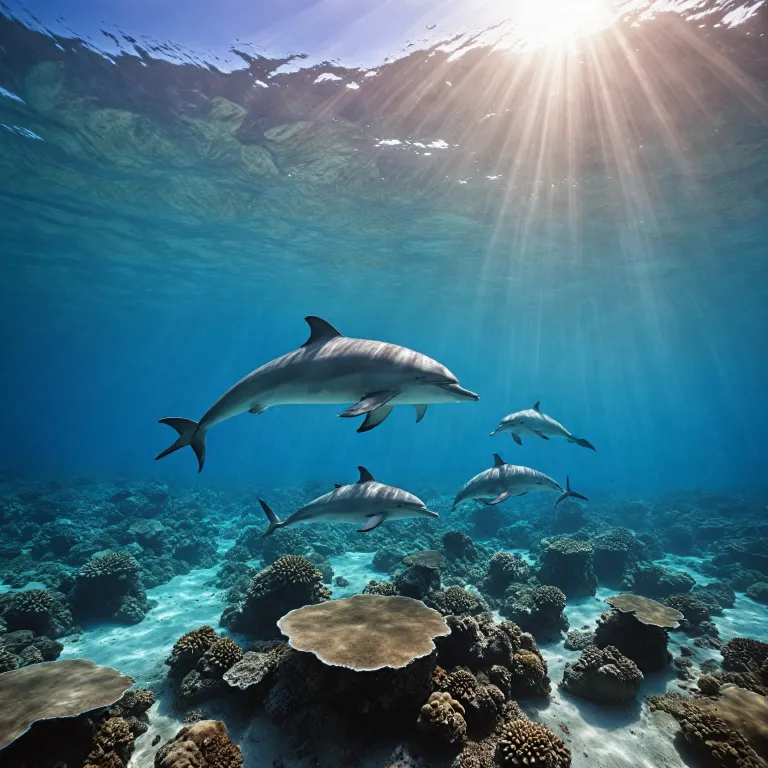
Understanding the allure of diving with dolphins experiences
Diving with dolphins experiences captivate travelers seeking meaningful marine interactions. The dolphin, celebrated for its intelligence and grace, draws enthusiasts to tropical destinations where the opportunity to swim with dolphins is both exhilarating and educational. These experiences, whether in the Caribbean, Mediterranean, or Pacific bays, provide a unique chance to interact with dolphins in their natural or semi-natural habitats. Resorts and operators offer a variety of programs, from dolphin swim sessions to advanced scuba diving with dolphins, each tailored to different skill levels and interests.
Participants often enjoy free access to lagoons or sea pens, where they can snorkel with dolphins and rays, guided by expert animal care teams. The interaction program typically includes feeding dolphins by hand, learning about their behaviors, and understanding the importance of marine conservation. For many, the highlight is the swim experience itself—gliding alongside dolphins, sometimes just inches tall above the sandy reef, in crystal-clear feet water. These moments foster a deep appreciation for marine life and the delicate balance of tropical ecosystems.
Ethical considerations are paramount in diving with dolphins experiences. Operators like Dolphin Academy Curaçao and Dolphin Reef Eilat emphasize sustainable practices, ensuring that animal welfare and conservation remain central. The growing demand for responsible wildlife tourism has led to innovations such as virtual reality alternatives and enhanced educational materials. When booking a dolphin swim or dive with dolphins, travelers are encouraged to research operators, review their animal care standards, and choose those committed to ethical interaction programs. This approach ensures that both dolphins and guests enjoy safe, enriching encounters.
Choosing the right destination for your dolphin swim adventure
The world offers a diverse array of locations for diving with dolphins experiences, each with its own unique appeal. In the Caribbean, destinations like Dolphin Cove Jamaica provide opportunities to interact with dolphins in natural bays, where the warm tropical waters and vibrant reefs set the stage for unforgettable encounters. The Mediterranean’s Dolphin Reef Eilat is renowned for its sea pen environment, allowing guests to swim with dolphins while supporting marine conservation efforts. Meanwhile, Discovery Cove Orlando offers a controlled setting for those seeking a family-friendly dolphin swim experience with a focus on animal care and education.
When selecting a destination, consider the type of interaction program offered. Some resorts specialize in snorkel with dolphins sessions, while others provide full scuba diving with dolphins for certified and non-certified divers alike. The Dolphin Dream Team in the Bahamas, for example, organizes week-long cruises where guests can dive with dolphins, rays, and even interact with sharks and sea lions in the open ocean. Each program is designed to maximize both safety and enjoyment, ensuring that dolphins enjoy the experience as much as the participants.
Admission policies, environmental standards, and the availability of educational resources vary between operators. It is essential to book with reputable providers that adhere to ethical guidelines and prioritize the well-being of both animals and guests. For further insights on sustainable marine travel, explore our comprehensive guide to responsible wildlife tourism. By making informed choices, travelers can enjoy free and meaningful interactions with dolphins while supporting conservation initiatives.
Preparing for your dive: safety, equipment, and expectations
Preparation is key to a rewarding diving with dolphins experience. Before entering the water dolphin habitat, participants receive thorough briefings on safety protocols, animal behavior, and the specifics of the interaction program. Whether you plan to snorkel with dolphins or embark on a full scuba diving session, understanding the equipment and procedures is essential. Scuba diving with dolphins requires basic certification, but many operators offer introductory sessions for those new to diving, ensuring that everyone can enjoy the swim experience safely.
Essential gear includes wetsuits, masks, fins, and, for scuba diving, tanks and regulators. Some resorts provide all necessary equipment, while others recommend bringing personal gear for comfort. The feet water depth varies by location, with some encounters taking place in shallow bays and others in deeper reef environments. Participants are often instructed on how to feed dolphins by hand, interact with rays, and observe animal care practices firsthand. The goal is to foster respectful, non-intrusive interactions that allow dolphins to enjoy free movement and natural behaviors.
Managing expectations is important. While many dream of close encounters, dolphins are wild animals and their participation in swim with dolphins programs is voluntary. Operators emphasize that "Yes, when conducted with reputable operators following safety guidelines, diving with dolphins is generally safe." For those interested in expanding their marine travel knowledge, our marine travel safety checklist offers practical tips for a secure and enjoyable journey. By preparing thoroughly, travelers can maximize the benefits of their dolphin swim adventure while minimizing risks to both themselves and the animals.
Ethical considerations and animal welfare in dolphin interaction programs
Ethics play a central role in diving with dolphins experiences. The rise of wildlife tourism has brought increased scrutiny to the treatment of marine animals, prompting operators to adopt higher standards of animal care and conservation. Reputable programs prioritize the health and well-being of dolphins, ensuring that interaction programs are designed to minimize stress and support natural behaviors. This includes limiting the number of participants, providing ample rest periods for dolphins, and employing trained animal care staff to monitor interactions.
Travelers are encouraged to learn ultimate best practices for ethical marine travel. This involves researching operators, understanding local regulations, and considering the environmental impact of each visit. Many destinations now offer educational sessions on marine conservation, highlighting the importance of protecting reefs, bays, and the broader ecosystem. By choosing programs that allow dolphins to enjoy free movement and interact with guests on their own terms, travelers contribute to the long-term sustainability of these experiences.
Innovations such as virtual reality dolphin swim experiences and enhanced educational materials are emerging as alternatives to live animal interactions. These advancements support conservation goals while providing meaningful learning opportunities. By prioritizing animal welfare, travelers ensure that diving with dolphins experiences remain a force for good in marine tourism.
Beyond dolphins: exploring marine biodiversity during your dive
While dolphins are often the main attraction, diving with dolphins experiences frequently include encounters with a rich array of marine life. Reefs and bays teem with rays, sea lions, and a variety of tropical fish, offering participants the chance to interact with multiple species in a single swim experience. Some programs even allow guests to dive with sharks, providing a comprehensive view of the marine ecosystem and its intricate relationships.
Snorkel with dolphins sessions often take place in vibrant reef environments, where the interplay of light and color creates a mesmerizing backdrop. Participants may observe dolphins enjoy playful interactions with each other, feed on fish, or glide gracefully through the water. The opportunity to interact with rays and other animals enhances the educational value of the experience, fostering a deeper understanding of marine biodiversity and the importance of conservation.
Admission to these programs typically includes guided tours, educational briefings, and hands-on activities such as feeding dolphins by hand. The interaction program is designed to be immersive and informative, allowing guests to learn ultimate facts about animal care, reef ecology, and the challenges facing tropical marine environments. By embracing the full spectrum of marine life, travelers enrich their diving with dolphins experiences and support broader conservation efforts.
Planning your trip: booking, timing, and maximizing your experience
Effective planning is essential for a memorable diving with dolphins experience. Begin by researching reputable operators and reviewing their admission policies, interaction programs, and animal care standards. Booking in advance is recommended, especially during peak travel seasons when demand for dolphin swim and dive with dolphins programs is high. Consider the timing of your visit, as certain destinations offer optimal conditions for swimming with dolphins at specific times of year.
Many resorts and operators provide detailed information on their websites, including program schedules, equipment requirements, and safety guidelines. Travelers are advised to book directly with the operator to ensure transparency and access to the latest updates. When planning your itinerary, allocate time for educational sessions, reef exploration, and relaxation in the tropical surroundings. This holistic approach allows you to enjoy free time while maximizing the value of your swim experience.
Interaction programs often include opportunities to feed dolphins, interact with rays, and learn about animal care practices. By engaging fully in these activities, guests gain a deeper appreciation for marine life and the efforts required to protect it. Remember to respect local regulations, minimize your environmental impact, and support operators committed to ethical and sustainable practices. With careful planning, your diving with dolphins experience will be both rewarding and responsible.
Key statistics on diving with dolphins experiences
- There are 40 dolphin species worldwide, highlighting the diversity of dolphin encounters available to travelers.
- Annual visitors to Dolfinarium Harderwijk reached 586,300, reflecting the popularity of dolphin interaction programs.
Frequently asked questions about diving with dolphins experiences
Is it safe to dive with dolphins?
Yes, when conducted with reputable operators following safety guidelines, diving with dolphins is generally safe.
Do I need to be a certified diver to participate in dolphin diving experiences?
Not always; some programs offer experiences for non-certified divers, often with prior instruction.
Are dolphin diving experiences ethical?
Ethical considerations vary; it's important to choose operators that prioritize the well-being of dolphins and adhere to conservation guidelines.
Trustful sources: