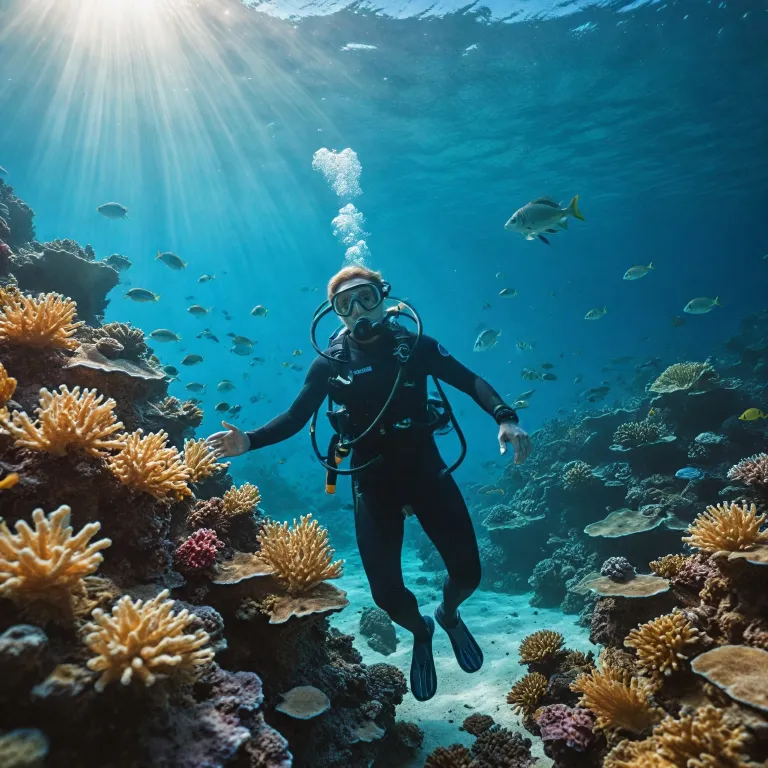
Understanding the fundamentals of dive travel safety
Dive travel safety tips form the backbone of every successful underwater journey. Whether you are a novice water diver or a seasoned diver, understanding the basics of safety, gear, and emergency protocols is crucial. Before embarking on any dive trip, thorough research into local water conditions, currents, and regulations is essential. This ensures you are well-prepared for the unique challenges of each destination and helps you avoid unexpected risks. The diving community emphasizes the importance of pre-trip preparation, including checking your scuba gear and ensuring all equipment is in optimal condition. Dive computers, surface marker buoys, and personal locator beacons are indispensable tools for modern divers, enhancing both safety and confidence underwater. Dive safety is not just about equipment; it is also about personal readiness. Undergoing a medical assessment before diving, especially if your health status has changed, is a key safety tip. This step helps prevent emergencies and ensures you are fit to handle the physiological stresses of scuba diving. The community also encourages divers to stay hydrated and avoid alcohol before any dive. These foundational dive travel safety tips are universally endorsed by organizations such as Divers Alert Network (DAN), which provides comprehensive guidance for divers worldwide.
Preparing your gear and understanding dive limits
Proper gear preparation is a cornerstone of dive travel safety tips. Before any dive trip, divers must check dive equipment thoroughly, from regulators to wetsuits, to ensure everything functions correctly. Scuba gear should be serviced regularly and stored in a cool, dry place to maintain its integrity. Dive computers are essential for tracking depth, time, and decompression limits, providing real-time data to help divers stay within safe parameters. When planning dive trips, it is vital to understand your own limits and those of your dive buddy. Never exceed your certification level or comfort zone, and always plan dives conservatively. The diving community strongly discourages solo diving unless you have specialized training and equipment. Instead, dive with a buddy and establish clear communication signals before entering the water. Carry emergency equipment such as a first aid kit, surface marker buoy, and personal locator beacon on every dive. These items are not just recommendations; they are proven to save lives in emergencies. For more in-depth guidance on gear maintenance and dive planning, explore our comprehensive dive equipment checklist. Remember, safe diving begins long before you enter the water, with meticulous preparation and respect for your own limits.
Health, fitness, and the importance of medical assessments
Physical fitness and health assessments are integral to dive travel safety tips. Diving places unique demands on the body, particularly the cardiovascular and respiratory systems. A medical assessment ensures you are fit to dive and reduces the risk of emergencies underwater. "A medical assessment ensures that a diver is physically fit to handle the physiological stresses of diving, reducing the risk of medical emergencies underwater." This expert advice from the dataset highlights the importance of regular health checks, especially if you have experienced recent changes in your health. The diving community increasingly emphasizes cardiac health, as undiagnosed conditions can lead to serious incidents during a dive. Staying hydrated, maintaining a balanced diet, and getting adequate rest before a dive trip are simple yet effective safety tips. Avoid alcohol and heavy meals before diving, as these can impair your performance and increase the risk of decompression sickness. If you are planning multiple dive trips or extended travel, consider consulting a travel health clinic for personalized advice. For more information on travel safety and health, visit our diver health and safety resource. Prioritizing your well-being ensures every dive is both safe and enjoyable.
Planning safe dive trips: community, buddy systems, and emergency protocols
Effective planning is at the heart of dive travel safety tips. The diving community thrives on collaboration, shared knowledge, and mutual support. Joining a local dive club or connecting with experienced divers can provide valuable insights into safe diving practices and local conditions. Always dive with a buddy, as this significantly enhances safety and provides immediate assistance in case of an emergency. "Diving with a buddy enhances safety by providing mutual assistance in case of emergencies and ensuring continuous monitoring of each other's well-being." This quote underscores the importance of the buddy system, which is a cornerstone of dive safety. Establish clear communication signals and emergency procedures with your dive buddy before every dive. Carry emergency equipment such as a surface marker buoy, personal locator beacon, and first aid kit. "Essential safety equipment includes a surface marker buoy, personal locator beacon, dive computer, and a first aid kit." These tools are vital for managing unexpected situations underwater. Dive clubs and community forums are excellent resources for sharing safety tips, learning from others' experiences, and staying updated on best practices. Engaging with the community and adhering to established protocols are key to safe and rewarding dive travel experiences.
Managing risks: marine life, environmental awareness, and emergency response
Understanding and managing risks is a critical aspect of dive travel safety tips. The underwater environment is dynamic, with potential hazards ranging from strong currents to encounters with marine life. Before each dive, research local marine life and be aware of any species that may pose a threat. "Maintain a safe distance, avoid provoking the animal, and calmly leave the area to prevent potential injuries." This expert guidance is essential for avoiding dangerous interactions and ensuring both diver and marine life safety. Environmental awareness also extends to respecting fragile ecosystems and practicing responsible diving. Avoid touching or disturbing coral reefs, and be mindful of your buoyancy to prevent accidental damage. In the event of an emergency, having a well-rehearsed response plan is vital. Carry emergency equipment, know the location of the nearest medical facility, and ensure your dive buddy is familiar with emergency procedures. Travel insurance that covers dive accidents is a crucial safety tip, providing peace of mind and financial protection. The diving community values preparedness and encourages all divers to participate in regular emergency drills and first aid training. By staying informed and vigilant, you can minimize risks and enjoy the wonders of the underwater world safely.
Advanced dive safety: technology, insurance, and continuous learning
Advancements in technology have transformed dive travel safety tips, offering new tools and resources for divers. Dive computers now provide real-time data on depth, time, and decompression status, helping divers stay within safe limits. Personal locator beacons and surface marker buoys enhance visibility and facilitate rapid response in emergencies. "To prevent decompression sickness, ascend slowly, perform safety stops, stay hydrated, and avoid exceeding no-decompression limits." This expert advice remains fundamental, even as technology evolves. Travel insurance tailored for divers is another essential safety tip, covering medical emergencies, evacuation, and lost gear. The diving community encourages continuous learning through advanced courses, workshops, and participation in dive clubs. Regularly updating your skills and knowledge ensures you are prepared for new challenges and can respond effectively to emergencies. Skip dive if you feel unwell or conditions are unfavorable, and never hesitate to seek advice from experienced divers or professionals. By embracing innovation and prioritizing education, divers can enhance their safety and fully enjoy the excitement of dive travel.
Key statistics on dive travel safety
- Drowning accounts for 1 out of 10 deaths in U.S. travelers abroad (10%).
Frequently asked questions about dive travel safety
Why is a medical assessment important before diving?
A medical assessment ensures that a diver is physically fit to handle the physiological stresses of diving, reducing the risk of medical emergencies underwater.
What safety equipment should I carry during a dive?
Essential safety equipment includes a surface marker buoy, personal locator beacon, dive computer, and a first aid kit.
How can I prevent decompression sickness?
To prevent decompression sickness, ascend slowly, perform safety stops, stay hydrated, and avoid exceeding no-decompression limits.
References:
- Divers Alert Network (DAN): https://dan.org/
- Centers for Disease Control and Prevention (CDC): https://wwwnc.cdc.gov/travel/page/safe-swimming-diving
- Royal National Lifeboat Institution (RNLI): https://rnli.org/safety/choose-your-activity/scuba-diving