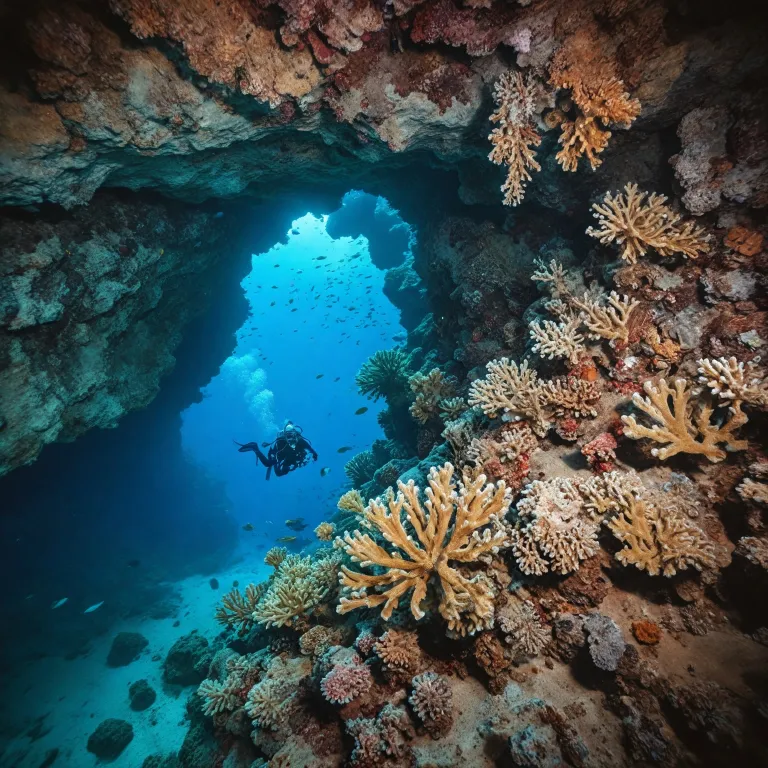
Immersing in the allure of cold water diving destinations
Cold water diving destinations offer a unique blend of adventure, challenge, and breathtaking underwater scenery. Unlike tropical waters, these sites present divers with dramatic geological formations, historic wrecks, and vibrant marine life adapted to lower water temperatures. The experience of scuba diving in cold water is both demanding and rewarding, requiring specialized equipment and training to ensure safety and comfort during dives. Whether you are planning a vacation or seeking to add to your bucket list, cold water diving destinations provide an unparalleled opportunity to explore the hidden wonders beneath the surface.
From the crystal-clear waters of Silfra Fissure in Iceland to the kelp forests of British Columbia, each destination has its own distinct appeal. The best cold water diving destinations are not only about the thrill of the dive but also about the stories that the sea, lakes, and wrecks tell. These trips often attract divers who appreciate both the serenity and the challenge that cold water brings. The diversity of marine life, the presence of historical wrecks, and the sheer beauty of the underwater landscapes make these sites some of the best in the world for scuba diving enthusiasts.
Planning your next dive trip to a cold water destination requires careful consideration of water temperature, seasonal conditions, and the type of marine life you wish to encounter. Many of these locations, such as Scapa Flow and Lake Baikal, are accessible year round, offering a variety of experiences from ice diving to exploring ancient wrecks. With the right preparation and guidance from a qualified instructor, cold water diving can become a highlight of your diving adventures.
Essential preparation for cold water diving: equipment and training
Proper preparation is crucial for anyone considering cold water diving destinations. The lower water temperature found in these environments demands the use of specialized equipment, such as drysuits and regulators designed for cold conditions. Scuba diving in cold water is not only about comfort but also about safety, as hypothermia and equipment malfunction are real risks if divers are not adequately prepared. Before embarking on trips to these unique dive sites, it is essential to receive training from a certified instructor who understands the nuances of cold water environments.
Many diving destinations, including those in British Columbia and the Channel Islands, offer courses tailored to cold water diving. These programs teach divers how to manage buoyancy with thicker exposure protection, handle emergency situations, and understand the physiological effects of cold on the body. The best cold water diving experiences are achieved when divers are confident in their skills and familiar with their equipment. "Do I need special equipment for cold water diving? Yes, appropriate thermal protection such as drysuits is essential for cold water diving." This expert advice underscores the importance of preparation for every dive.
When planning your vacation, consider the logistics of transporting and maintaining your gear, as well as the availability of support services at your chosen destination. Many dive operators provide rental equipment suitable for cold water, but bringing your own ensures a perfect fit and familiarity. For more detailed guidance on selecting the right gear and training, visit this comprehensive cold water diving equipment guide.
Iconic cold water diving destinations: from Iceland to British Columbia
The world is home to a remarkable list of cold water diving destinations, each offering its own unique underwater experiences. Silfra Fissure in Iceland is renowned for its unparalleled visibility, reaching up to 100 meters, and the surreal sensation of diving between tectonic plates. The glacial meltwater here is exceptionally pure, making every dive a visual feast. The water temperature remains cold year round, so proper exposure protection is mandatory for all dives.
British Columbia, Canada, stands out as one of the best cold water diving destinations, with its rich marine biodiversity and dramatic kelp forests. Divers can encounter giant Pacific octopuses, wolf eels, and a variety of other marine life, making every trip memorable. The region is also famous for its shipwrecks, which are now home to thriving underwater ecosystems. The water temperature varies seasonally, but the diving is excellent from spring through autumn.
For those interested in exploring more about the best cold water diving destinations, including detailed dive site descriptions and travel tips, check out this expert-curated list of top cold water dive sites. Whether you are drawn to the historic wrecks of Scapa Flow or the pristine waters of Vancouver Island, these destinations promise unforgettable underwater adventures.
Exploring wrecks and marine life: highlights of cold water dives
One of the main attractions of cold water diving destinations is the opportunity to explore historic wrecks and encounter unique marine life. Scapa Flow in Scotland is a legendary site for wreck diving, featuring seven German warships scuttled during World War I. These wrecks are now encrusted with marine life, offering divers a fascinating blend of history and biology. The best cold water dives often involve exploring these submerged relics, which serve as artificial reefs teeming with life.
Lake Baikal in Russia is another standout destination, known for its ice diving opportunities and endemic species such as the Baikal seal. The lake's water temperature can drop to 0°C, making it one of the coldest diving destinations on the planet. Ice diving here is a truly unique experience, with visibility reaching up to 40 meters and the chance to observe rare freshwater species. The Channel Islands in southern California also offer exceptional cold water diving, with kelp forests, sea lions, and whales populating the underwater landscape.
For divers seeking variety, the list of cold water destinations includes both sea and lake environments, each with its own set of challenges and rewards. The diversity of marine life, from invertebrates to large mammals, ensures that every dive is different.
Seasonal considerations and year-round diving opportunities
Understanding the best times to visit cold water diving destinations is essential for maximizing your experience. Many sites, such as Silfra Fissure and the Channel Islands, offer year round diving, but conditions can vary significantly with the seasons. In Iceland, the period from June to September provides milder surface conditions and extended daylight, making it ideal for longer dives. British Columbia's prime diving seasons are spring and autumn, when water clarity is at its best and marine life is most active.
Scapa Flow is accessible throughout the year, with late spring and early autumn offering optimal visibility and water temperature. Lake Baikal presents a unique opportunity for ice diving from February to April, while technical wall dives are best during the summer months. Each destination on your bucket list will have its own seasonal highlights, so planning your trips around these windows ensures the best possible diving experience.
When considering a vacation to a cold water diving destination, consult local dive operators and instructors for up-to-date information on water temperature, marine life activity, and safety protocols. This approach not only enhances your dives but also supports the preservation of these fragile marine environments for future generations.
Safety, sustainability, and the future of cold water diving
Safety is paramount when exploring cold water diving destinations. Divers must ensure they are properly trained, equipped, and aware of local regulations before entering the water. "Ensure proper training and certification for cold water diving. Use appropriate thermal protection, such as drysuits. Be aware of local regulations and guidelines for each dive site. Plan dives according to the best seasonal conditions for each location." This expert advice should be followed rigorously to minimize risks and maximize enjoyment.
Sustainability is also a growing concern in the diving community. Cold water environments are particularly sensitive to human impact, and divers play a crucial role in protecting these ecosystems. Responsible diving practices, such as minimizing contact with marine life and supporting conservation initiatives, help preserve the beauty and biodiversity of these destinations. The increased interest in cold water diving has led to advancements in equipment and a greater awareness of the ecological importance of these habitats.
The future of cold water diving destinations looks promising, with new technologies making these sites more accessible and enjoyable. As more divers add these locations to their bucket list, the need for education, conservation, and sustainable tourism becomes even more critical. By embracing best practices and supporting local communities, divers can ensure that the wonders of cold water diving remain available for generations to come.
Key statistics on cold water diving destinations
- Visibility at Silfra Fissure can reach up to 100 meters.
- Water temperature at Lake Baikal drops to 0°C during ice diving season.
- Scapa Flow features seven historic wrecks, making it a premier site for wreck diving.
Frequently asked questions about cold water diving destinations
What is the best time to dive in Silfra Fissure, Iceland?
Diving is possible year-round, but June to September offers milder surface conditions and longer daylight hours.
Do I need special equipment for cold water diving?
Yes, appropriate thermal protection such as drysuits is essential for cold water diving.
Are there any unique marine species in Lake Baikal?
Yes, Lake Baikal is home to unique endemic species like the Baikal seal.