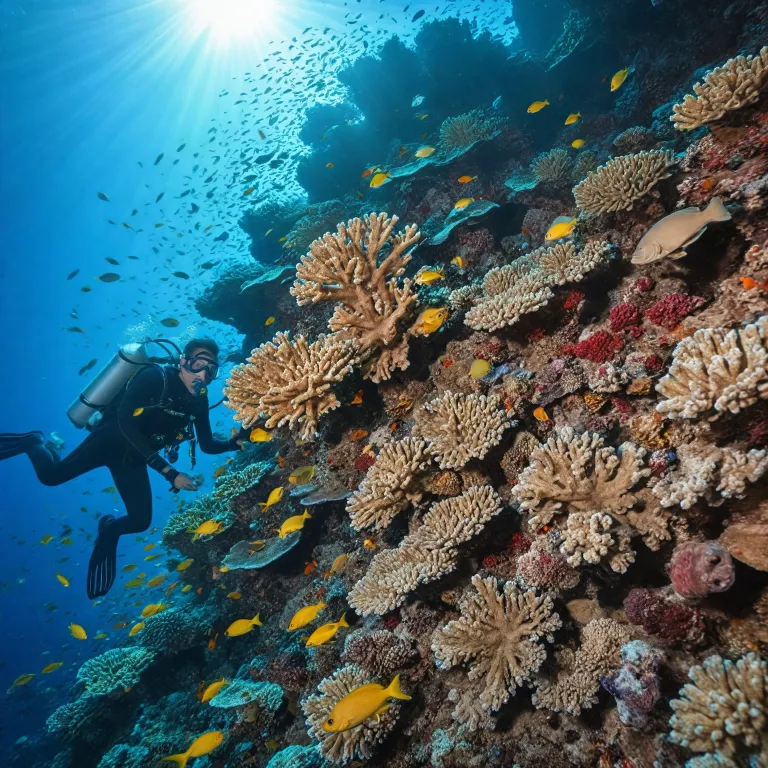
Understanding advanced scuba diving courses: expanding your underwater horizons
Advanced scuba diving courses represent a significant step forward for any diver seeking to enhance their skills and confidence beneath the water’s surface. These programs, offered by respected organizations such as the Professional Association of Diving Instructors (PADI), Scuba Schools International (SSI), and the International Scuba Diving Academy (ISDA), are meticulously designed to build on the foundational knowledge gained during open water diver certification. Through a blend of classroom sessions, e-learning modules, and open water dives, divers learn to navigate more complex environments and tackle greater depths. The advanced open water diver course, for example, introduces participants to specialty dives such as deep diving and underwater navigation, ensuring a well-rounded skill set.
Each diver course is structured to include a series of adventure dives, allowing students to experience different underwater scenarios under the supervision of a qualified instructor. The curriculum emphasizes safety, environmental awareness, and the use of specialty equipment like dive computers and dry suits. As divers progress, they gain the confidence to explore new sites and conditions, often qualifying for dives that require advanced certification. This progression not only opens up a world of marine travel opportunities but also fosters a deeper appreciation for the underwater world. For those interested in pursuing specialty certification, advanced scuba diving courses provide the essential groundwork, making them a pivotal part of any diver’s journey.
Before enrolling, it is crucial to research and choose a reputable dive center or instructor. Ensuring all required scuba equipment is in good condition and understanding local diving regulations are key steps for a safe and rewarding experience.
Key components of advanced diver training: from deep dives to specialty skills
The structure of advanced scuba diving courses is carefully crafted to challenge and inspire divers at every level. Central to these programs is the inclusion of deep dives, which allow divers to safely explore depths beyond the limits of basic open water certification. Specialty dives, such as underwater photography, wreck diving, and dry suit diving, further broaden the diver’s expertise and adaptability. Each adventure dive is supervised by an experienced instructor, ensuring that safety protocols and best practices are rigorously followed.
One of the distinguishing features of advanced diver courses is the emphasis on practical application. Divers are encouraged to apply theoretical knowledge during real-world dives, using advanced equipment and techniques. The integration of digital learning platforms has revolutionized the way students engage with course material, making it easier to balance learning with travel and other commitments. As a result, divers can register an account, purchase course materials online, and select the option to register for specific modules that suit their interests and schedules.
For those seeking to specialize further, the path to specialty certification is straightforward. Many dive centers offer tailored programs that combine multiple specialties, allowing divers to build a portfolio of skills that match their personal interests. To learn more about specialty diver certification and the benefits of advanced training, consult the specialty diver certification guide for in-depth information and expert advice.
The role of certification agencies: PADI, SSI, and ISDA explained
Certification agencies play a pivotal role in maintaining the standards and integrity of advanced scuba diving courses worldwide. PADI, SSI, and ISDA are recognized for their comprehensive curricula, rigorous instructor training, and global acceptance of their certifications. The PADI advanced open water diver course is among the most popular, typically completed over two to three days and encompassing a range of adventure dives. SSI’s Advanced Adventurer program and ISDA’s Advanced Plus course offer similar depth and flexibility, catering to divers with varying interests and schedules.
Each agency emphasizes the importance of safety, environmental stewardship, and continuous learning. Divers are encouraged to pursue ongoing education, with the option to register for additional specialty courses as their interests evolve. The process for obtaining advanced diver certification is streamlined, with most agencies offering online resources, privacy policy transparency, and clear guidelines for account purchase and registration. This approach ensures that divers can access high-quality training regardless of their location or prior experience.
For a comprehensive comparison of agency offerings and to find a dive center that aligns with your goals, visit the certification agency comparison page. This resource provides detailed insights into course structures, instructor qualifications, and specialty options, empowering divers to make informed decisions about their training journey.
Essential equipment and preparation for advanced open water dives
Preparation is key to a successful advanced open water diver course. Divers must ensure their scuba equipment is well maintained and suitable for the conditions they will encounter. Essential gear includes a reliable regulator, buoyancy control device, dive computer, and exposure protection such as a dry suit for colder waters. Specialty equipment, like underwater cameras or dive lights, may be required for certain adventure dives or specialty certifications.
Before each dive, divers should review their equipment checklist and confirm that all items meet safety standards. It is also important to familiarize oneself with the dive center’s policies, including their privacy policy and procedures for account purchase and registration. Many centers now offer the option to register online, streamlining the process and allowing divers to focus on their training. The guidance of a certified instructor is invaluable during this stage, as they can provide personalized recommendations and ensure that all safety protocols are followed.
Advanced diver courses often include briefings on local water conditions, marine life, and environmental considerations. This holistic approach prepares divers for the unique challenges of each site and fosters a culture of respect for the underwater environment. By investing in proper preparation and equipment, divers set themselves up for a rewarding and safe experience throughout their advanced training.
Building confidence and competence: the impact of advanced diver certification
Achieving advanced diver certification marks a significant milestone in a diver’s journey. The skills acquired during advanced scuba diving courses translate directly into greater confidence and competence underwater. Divers learn to manage complex scenarios, such as deep dives and navigation in low visibility, while developing a keen awareness of their surroundings. This expertise enables them to access dive sites that are off-limits to those with only an open water diver certification, opening up new possibilities for marine travel and exploration.
Advanced courses also foster a sense of community among divers. Training alongside peers and under the guidance of experienced instructors creates lasting connections and shared experiences. Many divers choose to pursue additional specialty certifications, further expanding their capabilities and interests. According to recent statistics, 60 percent of divers pursue specialty certifications after completing advanced courses, reflecting the value placed on continuous learning and skill development.
As divers progress, they become ambassadors for safe and responsible diving practices. Their advanced training equips them to handle emergencies, protect marine ecosystems, and contribute positively to the global diving community. The journey from open water diver to advanced diver is both challenging and rewarding, offering lifelong benefits for those who embrace it.
Digital innovation and the future of advanced scuba diving education
The landscape of advanced scuba diving courses is evolving rapidly, driven by digital innovation and changing traveler preferences. E-learning modules and online resources have become integral to the learning process, allowing divers to study theory at their own pace and convenience. This flexibility is particularly valuable for those balancing travel, work, and personal commitments. Dive centers now offer streamlined account purchase and registration processes, with clear privacy policies and user-friendly websites.
Another trend shaping the future of diver education is the growing emphasis on eco-conscious practices. Advanced courses increasingly incorporate modules on marine conservation, responsible diving, and sustainable travel. Divers are encouraged to adopt best practices that minimize their impact on fragile underwater ecosystems. The integration of specialty certifications, such as underwater photography and dry suit diving, reflects the diverse interests of today’s divers and the expanding scope of marine travel experiences.
Certification agencies continue to innovate, offering new specialty courses and leveraging technology to enhance the learning experience. As a result, advanced scuba diving courses remain accessible, engaging, and relevant for a global audience. The future promises even greater opportunities for divers to learn, explore, and contribute to the preservation of our oceans.
Expert insights and real-world guidance for aspiring advanced divers
Embarking on advanced scuba diving courses is a transformative experience, offering both personal growth and professional development. As one expert notes, "Typically, divers must have an Open Water Diver certification and a minimum number of logged dives, which varies by course and agency." This prerequisite ensures that participants are adequately prepared for the challenges of advanced training. Another important consideration is the duration of the course: "Duration varies; for example, PADI's Advanced Open Water Diver course usually takes 2-3 days, while other courses may differ." This flexibility allows divers to choose a program that fits their schedule and learning style.
Certification is recognized worldwide, providing divers with the credentials needed to access premier dive sites and specialty experiences. As stated, "Yes, certifications from major agencies like PADI, SSI, and ISDA are internationally recognized." This global acceptance underscores the value of advanced diver certification and the opportunities it unlocks for marine travel enthusiasts. By following expert guidance, researching reputable dive centers, and investing in quality training, aspiring advanced divers can embark on a journey that is both safe and fulfilling.
For those ready to take the next step, registering an account and selecting the will option for advanced courses is straightforward. Dive centers and certification agencies provide comprehensive support, from course selection to equipment recommendations and privacy policy transparency. With the right preparation and mindset, advanced scuba diving courses offer a gateway to new adventures and lifelong learning.
Key statistics on advanced scuba diving courses
- Number of PADI Advanced Open Water Diver certifications issued annually: 50,000 certifications
- Percentage of divers pursuing specialty certifications after advanced courses: 60 percent
Frequently asked questions about advanced scuba diving courses
What are the prerequisites for advanced scuba diving courses?
Typically, divers must have an Open Water Diver certification and a minimum number of logged dives, which varies by course and agency.
How long does it take to complete an advanced scuba diving course?
Duration varies; for example, PADI's Advanced Open Water Diver course usually takes 2-3 days, while other courses may differ.
Are advanced scuba diving certifications recognized worldwide?
Yes, certifications from major agencies like PADI, SSI, and ISDA are internationally recognized.
Trustful sources: www.padi.com, www.divessi.com, www.isdaworld.com