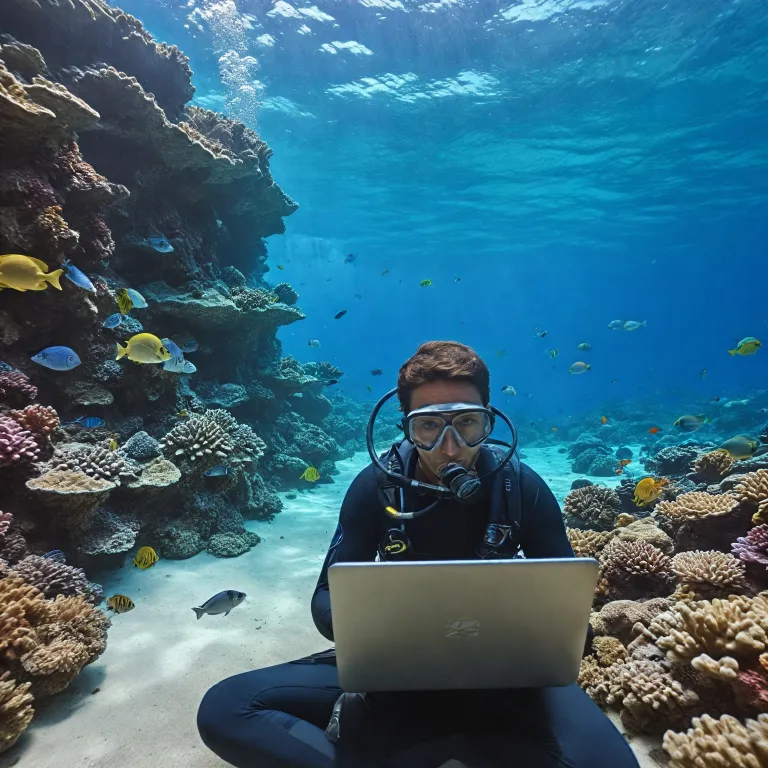
Understanding the essentials of scuba diving certification online
Scuba diving certification online has transformed the way aspiring divers approach their training. The process begins with enrolling in an elearning course, which covers the theoretical aspects of diving, including safety protocols, underwater communication, and equipment handling. These courses are designed to be flexible, allowing students to learn at their own pace and revisit complex topics as needed. The elearning courses provide detailed modules on topics such as open water diver skills, confined water training, and the science behind diving physiology.
Major certification agencies like PADI, SDI, and SSI offer a variety of online diver courses, each tailored to different experience levels and interests. For example, the SDI open water diver certification course is structured to ensure that every diver gains a solid foundation in both theory and practical skills. The integration of digital learning platforms means that students can access course materials from anywhere, making it easier to fit training into a busy schedule. Once the theoretical portion is complete, students must schedule in-person sessions at a local dive center to practice confined water skills and complete open water dives.
Throughout the online training, learners will encounter interactive elements such as quizzes and videos, which help reinforce key concepts. The privacy policy of each certification agency ensures that personal information remains secure throughout the elearning process. By the end of the course, students will have a comprehensive understanding of diving principles, preparing them for the practical assessments that follow. This approach not only streamlines the certification process but also maintains the high standards required for diver safety and competence.
Choosing the right online scuba diving certification course
Selecting the appropriate scuba diving certification online is crucial for a successful learning experience. Prospective divers should consider factors such as course content, price, instructor qualifications, and the reputation of the certification agency. PADI, SDI, and SSI are globally recognized organizations, each offering a range of elearning courses that cater to different needs. For instance, the SDI open water diver course is known for its comprehensive curriculum and user-friendly digital platform. When comparing courses, pay attention to the details provided about the training structure, including the number of confined water and open water sessions required.
It is important to review the privacy policy of the chosen agency to understand how your data will be handled during the registration and learning process. Many dive centers, such as Fathom Five Divers and Saguaro Scuba, partner with certification agencies to offer blended learning experiences that combine online theory with in-person practical training. The price of each certification course varies, often depending on the level of support provided by the instructor and the resources included in the elearning package. Some courses may also offer additional modules, such as nitrox diver training, which can enhance your diving skills and expand your underwater opportunities.
Before enrolling, ensure that you meet the prerequisites for the diver course, such as minimum age, swimming ability, and health requirements. Reading through the course details will help you understand what to expect and how to prepare for both the online and practical components. For more information on selecting the best training program, visit our guide to choosing a scuba diving certification. This resource provides in-depth comparisons and tips for making an informed decision, ensuring that your journey to becoming a certified scuba diver is both enjoyable and successful.
The structure and benefits of elearning courses for divers
Elearning courses have revolutionized the way divers approach their training, offering a flexible and accessible alternative to traditional classroom sessions. The structure of an elearning course typically includes interactive modules, video demonstrations, and knowledge assessments, all designed to build a strong foundation in scuba diving theory. Students can progress through the material at their own pace, allowing them to thoroughly understand each concept before moving on to the next. This self-paced approach is particularly beneficial for those with busy schedules or limited access to local dive centers.
One of the key advantages of online diver certification is the ability to revisit challenging topics as often as needed. The digital format also allows for immediate feedback on quizzes and assessments, helping learners identify areas that require further study. Many elearning courses, such as those offered by SDI and PADI, include detailed explanations of open water and confined water skills, ensuring that students are well-prepared for the practical components of their training. The integration of multimedia resources, such as animations and real-life dive scenarios, enhances the learning experience and makes complex concepts more accessible.
Upon completion of the online portion, students must schedule practical sessions at a certified dive center. These in-person sessions are essential for developing hands-on skills and demonstrating proficiency in underwater environments. For those interested in specialized training, elearning courses also cover advanced topics such as nitrox diver certification and public safety diving. To explore more about the advantages of digital learning in diver education, check out our comprehensive review of online scuba training platforms. This resource highlights the latest innovations and best practices in elearning for divers.
From theory to practice: transitioning to in-person dive training
After completing the theoretical modules of your scuba diving certification online, the next step is to apply your knowledge in real-world settings. Practical training is divided into confined water sessions, typically conducted in a pool, and open water dives in natural environments. During confined water training, students practice essential skills such as mask clearing, buoyancy control, and emergency procedures under the supervision of a qualified instructor. These sessions are designed to build confidence and ensure that each diver can perform critical tasks safely and effectively.
The transition from confined water to open water dives marks a significant milestone in the diver certification process. Open water sessions allow students to experience the unique challenges and rewards of diving in natural conditions, such as varying visibility, currents, and marine life encounters. Instructors provide detailed feedback and guidance throughout each dive, helping students refine their techniques and adapt to different underwater scenarios. The number of required open water dives varies by course, but most certification programs include at least four dives to ensure comprehensive skill development.
It is essential to coordinate with your chosen dive center to schedule practical sessions that align with your availability. Many centers offer flexible options to accommodate students who have completed their elearning course remotely. This guide provides valuable insights for both new and experienced divers seeking to enhance their underwater skills.
Advanced certifications and specialized diver training online
Once you have achieved your initial diver certification, a world of advanced courses and specialized training becomes available. Many certification agencies, including SDI and PADI, offer elearning courses for advanced open water diver, nitrox diver, and public safety diver qualifications. These programs are designed to build on the foundational skills acquired during the open water diver course, introducing new techniques and expanding your knowledge of underwater environments. Advanced courses often include topics such as deep diving, underwater navigation, and rescue procedures, all of which are essential for divers seeking to explore more challenging sites.
Specialized training, such as nitrox diver certification, allows divers to extend their bottom time and explore deeper sites safely. Public safety diver courses are tailored for those interested in rescue operations and underwater search and recovery, providing detailed instruction on specialized equipment and procedures. Elearning platforms make it easy to access these advanced courses, with flexible schedules and comprehensive materials that cater to both recreational and professional divers. The integration of digital learning tools ensures that students can master complex concepts before applying them in practical settings.
Assistant instructor courses are also available online, offering experienced divers the opportunity to develop teaching skills and support new students during their training. These programs include detailed modules on instructional techniques, safety management, and diver supervision. By pursuing advanced and specialized certifications, divers can enhance their expertise, increase their safety, and open new opportunities for exploration and professional growth.
Ensuring safety, compliance, and ongoing learning in scuba diving
Safety is the cornerstone of all scuba diving certification online programs. Certification agencies such as SDI, PADI, and SSI maintain rigorous standards for both elearning and practical training to ensure diver safety and competence. Each course includes detailed instruction on risk management, emergency procedures, and environmental stewardship, preparing students to handle a wide range of underwater scenarios. The privacy policy of each agency safeguards student information throughout the certification process, reflecting a commitment to ethical and responsible training practices.
Ongoing learning is encouraged through refresher courses, specialty training, and participation in diver communities. Many dive centers offer workshops and advanced courses to help certified divers maintain their skills and stay updated on the latest safety protocols. The integration of digital platforms has made it easier than ever to access new training materials, connect with instructors, and track progress over time. As the popularity of online diver certification continues to grow, agencies are investing in innovative tools such as virtual reality simulations and interactive learning modules to enhance the educational experience.
"No, while the theoretical portion can be completed online, practical confined water and open water dives must be done in person." This expert guidance underscores the importance of hands-on training for diver certification. By prioritizing safety, compliance, and continuous learning, divers can enjoy a rewarding and secure underwater journey for years to come.
Key statistics on scuba diving certification online
- Number of PADI certified divers to date: 30,000,000 divers
- Number of PADI dive centers and resorts worldwide: 6,600 centers
- Number of PADI professional members globally: 128,000 members
Frequently asked questions about scuba diving certification online
Can I complete my entire scuba certification online?
No, while the theoretical portion can be completed online, practical confined water and open water dives must be done in person.
How long does it take to get scuba certified online?
The online portion can be completed at your own pace, typically within a few days to weeks, followed by in-person sessions scheduled at your convenience.
Is online scuba certification recognized worldwide?
Yes, certifications from recognized agencies like PADI, SSI, and SDI are accepted globally.