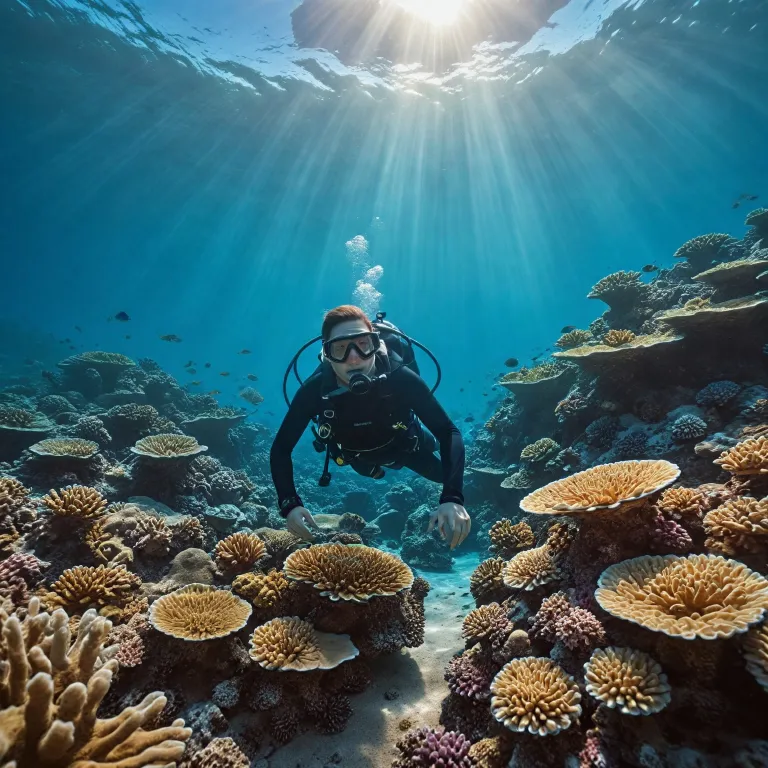
Planning your solo dive trip: preparation for safety and adventure
Embarking on a solo dive trip requires careful planning to ensure both safety and enjoyment. Solo dive travelers should begin by researching reputable dive operators, as these professionals are central to a secure and enriching diving experience. Booking your dive travel and accommodations in advance allows you to select the best options for your needs, whether you are headed to Bali, Cozumel, or another renowned destination. Prioritize operators with strong safety records and positive reviews from fellow divers, as this will provide peace of mind throughout your journey.
When preparing for your diving trip, focus on packing essential scuba gear and personal items, keeping your luggage light yet comprehensive. Include your scuba diving certification, a reliable communication device, and a list of emergency contacts. Travel insurance that specifically covers scuba diving is a non-negotiable asset for solo travelers, offering protection in case of unforeseen incidents. Don’t hesitate to reach out to local dive shops or operators before your trip to clarify logistics and ensure all arrangements are in place.
Solo divers benefit from technology such as travel apps and satellite communicators, which help you stay connected and navigate unfamiliar environments. Engage with online diving communities to gather insights and recommendations, and always share your itinerary with trusted contacts. This combination of thorough preparation and the right tools sets the foundation for a successful solo dive adventure.
Connecting with the dive community: building relationships while traveling solo
Traveling solo does not mean you have to dive alone. The global dive community is welcoming, and solo travelers often find camaraderie among fellow divers. Dive shops and operators frequently organize group dives, providing an excellent opportunity to meet new people and find a dive buddy. Participating in these group activities enhances safety and enriches your overall experience, especially in popular destinations like Bali and Cozumel.
Engage with local communities to gain a deeper understanding of the culture and marine environment. Many solo divers find that connecting with locals adds a unique dimension to their trip, offering insights that go beyond the underwater world. Dive operators and local guides can introduce you to hidden gems and ensure you make the most of your diving trip. For those seeking additional support, online forums and apps designed for divers are invaluable resources for staying informed and connected.
Don’t hesitate to ask questions or seek advice from experienced scuba divers and dive shop staff. Their expertise can help you navigate challenges and make informed decisions throughout your solo trip. For more on how to build meaningful connections within the dive community, explore our comprehensive guide to connecting with fellow divers.
Ensuring safety and peace of mind during your solo dive adventure
Safety is paramount for solo dive travelers, and adhering to best practices is essential. Always choose reputable dive operators known for their professionalism and commitment to diver safety. Before each dive, review safety protocols with your dive buddy or group, and familiarize yourself with local emergency procedures. Carrying a communication device and maintaining regular contact with friends or family provides an extra layer of security.
Travel insurance tailored to scuba diving is a must for solo divers. This coverage protects you from potential risks associated with diving and travel, such as medical emergencies or trip interruptions. Don’t underestimate the importance of having all necessary documentation, including your insurance policy and emergency contact list, readily accessible. Trust your instincts and avoid situations that feel unsafe, even if it means altering your plans.
Solo travelers should also stay informed about local customs and regulations, as these can impact your diving experience. Engage with the local community to learn about specific safety considerations in your destination. For a detailed overview of essential safety measures, visit our safety checklist for solo dive travelers.
Maximizing your solo dive travel experience: tips for meaningful exploration
Solo dive travel offers unparalleled opportunities for personal growth and exploration. To make the most of your trip, embrace flexibility and remain open to new experiences. Participate in dive shop events, workshops, and excursions to expand your skills and meet fellow divers. Many solo travelers find that these activities foster lasting friendships and provide valuable learning experiences.
Utilize travel apps and online resources to stay updated on local events and dive conditions. These tools help solo divers plan their dives, discover the best sites, and connect with the wider community. Don’t hesitate to join group dives or seek out a dive buddy, as shared experiences often lead to deeper connections and enhanced safety. Engaging with local guides and operators can also reveal lesser-known dive sites and cultural highlights.
Solo divers should document their journey, both for personal reflection and to share insights with the community. Keeping a dive log and sharing your experiences online can inspire others and contribute to the collective knowledge of solo dive travel.
Essential gear and technology for solo divers: what to pack and why
Choosing the right gear is crucial for solo divers, as self-reliance is key. Pack your personal scuba diving equipment if possible, or ensure that local dive shops offer high-quality rentals. Essential items include a well-maintained mask, fins, wetsuit, and dive computer. A surface marker buoy and whistle are important for signaling, especially when diving without a regular buddy.
Travel insurance documents, emergency contact information, and a reliable communication device should always be included in your packing list. Many solo travelers now use apps and satellite communicators to stay connected and access real-time information. These tools are particularly useful in remote locations, where traditional mobile networks may be unreliable.
Don’t hesitate to consult with dive operators or experienced divers about the best gear for your destination. Their insights can help you avoid common pitfalls and ensure you are fully prepared for your diving trip. Remember, being well-equipped not only enhances safety but also contributes to peace of mind throughout your solo trip.
Engaging with local communities: enriching your solo dive journey
Solo dive travel is as much about cultural immersion as it is about underwater exploration. Engaging with local communities can transform your trip, offering perspectives that extend beyond the dive site. Participate in community-led conservation projects or attend local events to gain a deeper appreciation for the region’s marine environment.
Building relationships with local residents and dive operators fosters mutual respect and understanding. Many solo travelers find that these connections lead to unique experiences, such as guided tours of lesser-known sites or invitations to community gatherings. Don’t hesitate to ask questions and show genuine interest in local customs and traditions.
As one expert advises, “Share your itinerary with trusted contacts, choose reputable dive operators, stay aware of your surroundings, trust your instincts, and ensure you have appropriate travel insurance covering diving activities.” This approach not only enhances safety but also enriches your overall experience as a solo traveler. By engaging with both the underwater and local communities, solo divers create memories that last a lifetime.
Key statistics on solo dive travel
- 84% of solo travelers are women, reflecting a significant trend in the dive travel community.
- There has been a 42% increase in solo travel bookings in recent years, highlighting the growing popularity of solo dive trips.
Frequently asked questions about solo dive travel
Is it safe to go scuba diving alone?
While solo diving can be safe with proper preparation and adherence to safety protocols, it's generally recommended to dive with a buddy. However, many solo travelers join group dives organized by reputable operators to ensure safety and companionship.
How do I find reputable dive operators when traveling alone?
Research online reviews, seek recommendations from diving communities, and contact operators directly to inquire about their safety measures and services.
What should I pack for a solo dive trip?
Essential items include your diving certification card, personal dive gear (if not renting), travel insurance documents, emergency contact list, and communication devices. Pack light and focus on necessities.
References: PADI, Divers Alert Network, Lonely Planet