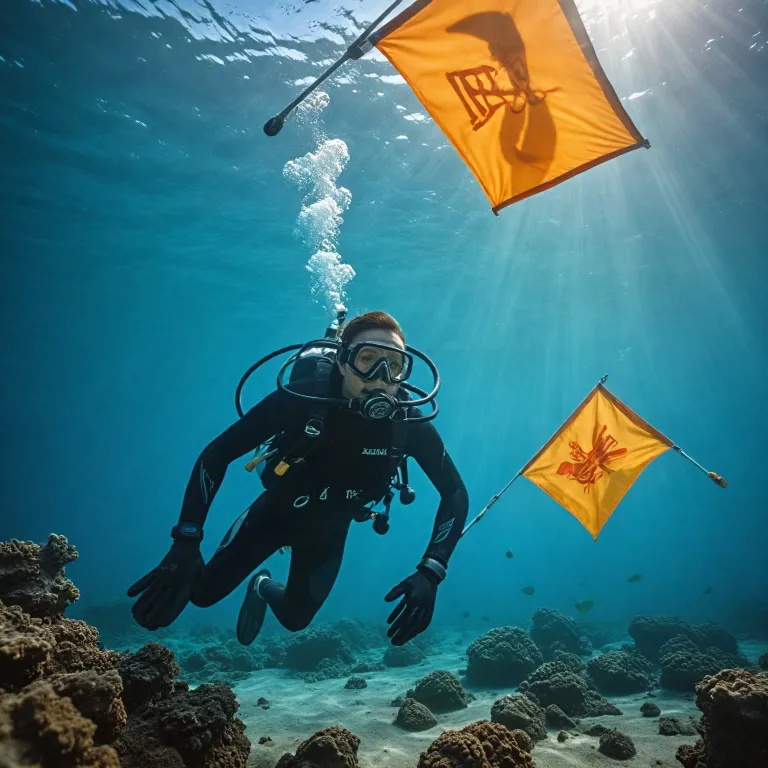
Understanding health risks in scuba diving: what every diver must know
Scuba diving offers a unique experience, immersing divers in underwater worlds filled with vibrant marine life and breathtaking landscapes. However, the health risks associated with diving are significant and require careful attention. Divers must be aware of the effects of pressure changes on the body, particularly the risk of decompression sickness (DCS), nitrogen narcosis, and barotrauma. The body absorbs nitrogen while breathing compressed air underwater, and rapid ascent can cause nitrogen bubbles to form, leading to decompression illness. Maintaining a safe diving profile, including proper surface intervals and slow ascents, is crucial to reduce these risks. Mental health also plays a role, as anxiety or panic underwater can compromise safe diving practices and increase the risk of accidents. Scuba divers should always assess their physical and mental health before each dive, ensuring they are fit for the demands of the underwater environment. Respiratory conditions, such as asthma, can increase the risk of complications, so a pre-dive medical evaluation is recommended. The use of advanced dive computers and adherence to decompression schedules help divers monitor their exposure to pressure and nitrogen, supporting a safer diving experience. The Divers Alert Network (DAN) and other organizations provide valuable resources and guidelines to promote diver safety and health. Regular training and education on the latest health precautions are essential for both novice and experienced divers.Pre-dive preparation: ensuring your body and equipment are ready
Before any dive, thorough preparation is essential for minimizing health risks and ensuring a safe experience. Divers should begin with a comprehensive medical evaluation, especially if they have pre-existing health conditions or have not dived recently. Attention to respiratory conditions, middle ear health, and overall fitness is vital, as these factors can influence a diver’s ability to manage pressure changes and avoid injury. Equipment maintenance is equally important; all scuba gear, including regulators, tanks, and buoyancy devices, must be inspected and disinfected to prevent malfunctions and infections. The use of dive computers and tables allows divers to plan their dives accurately, manage nitrogen exposure, and avoid risk decompression scenarios. Environmental awareness is another key aspect—researching local water conditions, temperature, and regulations helps divers anticipate potential hazards. Hydration and nutrition should not be overlooked, as dehydration can increase the risk of decompression sickness and impair physical performance. Divers are advised to avoid alcohol before and after diving, as it can exacerbate dehydration and impair judgment. The Divers Alert Network (DAN) offers smart guides and tips for health and safety, reinforcing the importance of preparation. For those seeking further guidance, the diving safety resources provide comprehensive checklists and advice for safe diving practices. By prioritizing both body and equipment readiness, divers set the foundation for a safe and enjoyable underwater adventure.Managing pressure, nitrogen, and decompression: strategies for safe diving
Pressure changes underwater present unique challenges for divers, affecting the body in multiple ways. The absorption of nitrogen increases with depth, and improper ascent can result in decompression sickness, also known as "the bends." To mitigate this risk, divers must adhere to decompression schedules and use dive computers to monitor their exposure to pressure and nitrogen. Surface intervals between dives are critical, allowing the body to eliminate excess nitrogen and reduce the risk of decompression illness. The risk decompression is heightened when divers perform multiple dives in a day or engage in deep dives, making careful planning essential. Nitrogen narcosis, a condition caused by elevated nitrogen levels, can impair judgment and motor skills, emphasizing the need for conservative dive profiles. Oxygen toxicity is another concern at greater depths, requiring divers to monitor their gas mixtures and avoid exceeding recommended limits. The use of emergency oxygen kits and first aid supplies is recommended for all dive trips, providing immediate support in case of decompression sickness or other emergencies. The Divers Alert Network (DAN) and similar organizations advocate for continuous education on decompression management and the use of advanced safety equipment. For more detailed strategies on managing pressure and nitrogen, divers can consult the comprehensive guide to decompression safety. By understanding and respecting the physiological effects of pressure and nitrogen, divers can significantly reduce the risk of DCS and other health complications.Protecting your ears, sinuses, and respiratory health underwater
Ear and sinus health are critical for safe diving, as pressure changes can lead to barotrauma and other injuries. Equalizing the middle ear early and often during descent is essential to prevent discomfort and potential damage. As stated in the expert dataset, "To prevent ear barotrauma, equalize your ears early and often during descent by gently pinching your nose and blowing gently, swallowing, or moving your jaw." Divers should also be mindful of sinus congestion, which can block air passages and increase the risk of injury. Respiratory conditions, such as asthma or chronic bronchitis, require careful management and may necessitate consultation with a dive medicine specialist before diving. The use of well-maintained scuba equipment, including masks and regulators, supports respiratory health by ensuring a steady supply of clean air. Divers are encouraged to avoid diving when experiencing cold or allergy symptoms, as these can compromise ear and sinus function. The Divers Alert Network (DAN) provides resources on managing ear, sinus, and respiratory health, emphasizing the importance of regular check-ups and prompt attention to any symptoms. By prioritizing ear and respiratory health, divers can enhance their comfort and safety underwater, reducing the risk of complications and ensuring a more enjoyable diving experience.Post-dive care and flying after diving: minimizing health risks
After completing a dive, proper post-dive care is essential to support recovery and minimize health risks. Divers should monitor themselves for symptoms of decompression sickness, such as joint pain, dizziness, or skin rashes, and seek medical attention if any arise. Hydration and rest are important, as they aid in the elimination of nitrogen from the body and support overall recovery. The timing of air travel after diving is a critical consideration; as noted in the expert dataset, "It is recommended to wait at least 12 hours after a single no-decompression dive, 18 hours after multiple dives, and longer after dives requiring decompression stops before flying to reduce the risk of decompression sickness." This guideline helps prevent the onset of sickness DCS, which can be triggered by reduced cabin pressure during flights. Divers should also maintain a log of their dives, including details on depth, duration, and surface intervals, to assist in future planning and health monitoring. The Divers Alert Network (DAN) and other organizations offer support and advice for post-dive care, reinforcing the importance of vigilance even after leaving the water. For additional information on safe post-dive practices, the comprehensive post-dive care guide provides valuable insights. By adhering to recommended post-dive protocols, divers can protect their health and ensure a positive diving experience.Mental health and environmental awareness: key factors for safe diving
Mental health is a crucial, yet often overlooked, aspect of safe diving. Anxiety, stress, or panic can impair decision-making and increase the risk of accidents underwater. Divers are encouraged to assess their mental readiness before each dive and to seek support if experiencing psychological challenges. Training in stress management and emergency procedures can enhance confidence and resilience, contributing to safer dives. Environmental awareness is equally important; understanding local water conditions, currents, and marine life helps divers anticipate and avoid potential hazards. The Divers Alert Network (DAN) and other organizations promote responsible diving practices, including environmental conservation and respect for marine ecosystems. Divers should familiarize themselves with local regulations and participate in ongoing education to stay informed about best practices. The use of the divers alert network and similar resources supports continuous learning and community engagement. By prioritizing mental health and environmental awareness, divers can reduce risks and contribute to the sustainability of marine environments. These factors are integral to a holistic approach to diving health precautions, ensuring both personal safety and the protection of underwater habitats.Leveraging technology and community resources for enhanced diving safety
Advancements in diving technology have significantly improved safety and health outcomes for scuba divers. Modern dive computers provide real-time monitoring of depth, time, and nitrogen exposure, enabling divers to make informed decisions and avoid risk decompression scenarios. The integration of emergency oxygen kits and first aid supplies into dive plans further enhances preparedness for potential incidents. Community resources, such as the Divers Alert Network (DAN), offer medical assistance, training, and up-to-date information on diving health precautions. Participation in local and global diver networks fosters knowledge sharing and support, empowering divers to stay informed about emerging risks and best practices. Privacy policy considerations are increasingly important as divers engage with digital platforms and share personal health information. Divers are encouraged to review the privacy policies of organizations and apps they use, ensuring their data is protected. The ongoing development of advanced safety equipment and training methodologies reflects the commitment of the diving community to continuous improvement. By leveraging technology and community resources, scuba divers can enhance their safety, health, and overall diving experience, making each dive both enjoyable and secure.Key statistics on scuba diving health precautions
- Annual scuba diving deaths worldwide: 90 deaths
- Percentage of drowning deaths among U.S. travelers abroad: 10 percent
Frequently asked questions about scuba diving health precautions
What is decompression sickness?
Decompression sickness, also known as 'the bends,' occurs when dissolved gases, primarily nitrogen, come out of solution in the bloodstream and form bubbles inside the body due to rapid ascent during diving.
How can I prevent ear barotrauma while diving?
To prevent ear barotrauma, equalize your ears early and often during descent by gently pinching your nose and blowing gently, swallowing, or moving your jaw.
Is it safe to fly after scuba diving?
It is recommended to wait at least 12 hours after a single no-decompression dive, 18 hours after multiple dives, and longer after dives requiring decompression stops before flying to reduce the risk of decompression sickness.