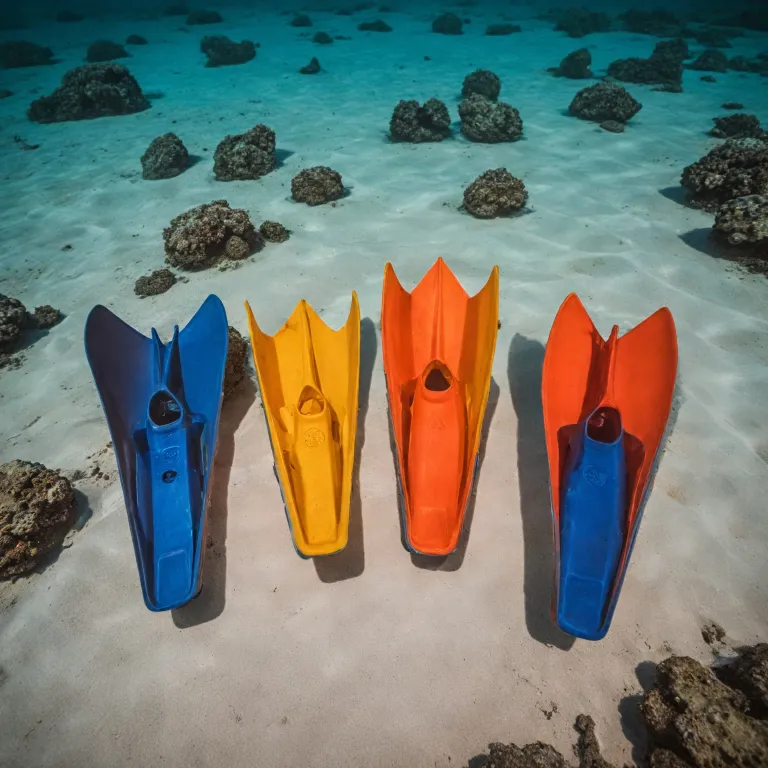
Understanding the essentials of freediving portable fins for travelers
Freediving portable fins are a cornerstone of efficient underwater exploration, especially for those who travel frequently. The right fins can transform a diving experience, offering both comfort and performance. When considering fins for travel, modular designs with detachable blades are increasingly popular, as they allow for compact packing and easy transport. Carbon fiber and silicone materials are favored for their lightweight properties, reducing the overall weight of your luggage while maintaining blade stiffness and power. The compatibility of foot pockets with various blade types is crucial, ensuring that divers can adapt their equipment to different diving conditions. Brands such as Neptonics, Immenso Diving Equipment Ltd., and VersaSpear have responded to the demand for travel-friendly freediving fins by offering innovative products with interchangeable components and ergonomic foot pockets. The evolution of these products reflects the growing trend among divers to seek both versatility and performance in their gear. Whether you are looking for the best freediving fin for tropical reefs or cold-water adventures, understanding the features of portable fins is essential for making an informed purchase. The market now offers a range of options, from the cressi gara modular impulse to the mares wing carbon fins, each with unique attributes tailored to different diving needs. For those interested in a detailed review of the best freediving fins, examining user reviews and expert opinions can provide valuable insights into blade stiffness, foot pocket comfort, and overall value for price. As the demand for travel-friendly equipment rises, manufacturers continue to innovate, ensuring that divers have access to high-quality, portable fins that meet the needs of both recreational and professional freedivers.
Comparing materials and designs: Carbon fiber, silicone, and modular fin systems
The choice of material in freediving portable fins significantly influences performance, durability, and comfort. Carbon fiber fins, such as those offered by Immenso Diving Equipment Ltd., are renowned for their lightweight construction and responsive blade stiffness, making them a top choice for divers seeking the best freediving experience. Carbon fins provide excellent propulsion with minimal effort, which is particularly advantageous during long dives or when covering greater distances. Silicone fins, like those from Molchanovs, are designed for technique training and travel, offering flexibility and ease of use for divers at all skill levels. Modular fin systems, such as the cressi gara modular impulse and mares wing, allow divers to interchange blades and foot pockets, providing customization and adaptability for various underwater environments. According to a verified expert quote, "Modular fins allow divers to interchange blades and foot pockets, offering customization and easier packing for travel." This flexibility is especially valuable for travelers who need to optimize luggage space without sacrificing performance. When evaluating fins, it is important to consider the compatibility of foot pockets with different blade types, as well as the ease of assembly and disassembly. The best freediving fins combine advanced materials with ergonomic designs, ensuring both comfort and efficiency. For those interested in a comprehensive review of modular and carbon fiber fins, resources such as this detailed guide to freediving fin materials offer in-depth comparisons and user feedback. Ultimately, the decision to buy a particular fin should be based on a careful assessment of blade stiffness, foot pocket fit, and overall product quality, ensuring that the chosen fins meet the specific needs of the diver.
Evaluating blade stiffness and foot pocket fit for optimal performance
Blade stiffness is a critical factor in the performance of freediving portable fins, directly impacting propulsion, maneuverability, and energy expenditure. Softer blades are generally recommended for beginners, as they require less effort and reduce the risk of muscle fatigue during extended dives. Experienced divers may prefer stiffer blades, which provide greater power and responsiveness, especially in challenging conditions. The selection of blade stiffness should also take into account the diver's strength, experience, and intended use, whether for recreational freediving or competitive diving. Foot pocket fit is equally important, as an ill-fitting pocket can lead to discomfort, blisters, or reduced efficiency in the water. Full foot pockets, such as those found on the cressi gara modular and fins beuchat, offer a secure and comfortable fit, ensuring optimal energy transfer from the leg to the fin blade. Neoprene socks are often used in conjunction with full foot pockets to enhance comfort and prevent chafing. When reviewing different fins, it is essential to consider both the blade stiffness and the design of the foot pocket, as these elements work together to deliver the best freediving experience. For a comprehensive review of blade stiffness and foot pocket options, divers can consult resources like this expert analysis of fin performance. The integration of modular impulse systems and carbon fiber blades has further expanded the range of options available, allowing divers to tailor their equipment to their specific needs. Whether you are seeking the best price on carbon fins or looking for a guide best suited to your diving style, understanding these key factors will help you make an informed decision when purchasing freediving fins.
Travel considerations: Packing, weight, and maintenance of freediving fins
Traveling with freediving portable fins requires careful consideration of packing strategies, weight limitations, and maintenance routines. The average weight of carbon fiber freediving fins is approximately 1.5 kg, making them an attractive option for divers who prioritize lightweight gear. Modular fins with detachable blades, such as those from VersaSpear and 29/71, can be easily disassembled and packed into standard luggage, reducing the risk of damage during transit. It is advisable to use protective fin bags or cases to safeguard the blades and foot pockets from scratches or deformation. Regular maintenance is essential to prolong the lifespan of your fins, including rinsing them with fresh water after each use and inspecting the foot pockets and blade attachments for signs of wear. When selecting fins for travel, consider the compatibility of the product with various blade and foot pocket types, as this can enhance versatility and convenience. The growing popularity of compact and modular designs reflects the increasing demand for equipment that can withstand the rigors of frequent travel. By investing in high-quality fins and adhering to proper maintenance practices, divers can ensure that their gear remains reliable and effective throughout their journeys. Whether you are planning a scuba diving expedition or a freediving adventure, the right fins can make all the difference in your underwater experience.
Brand comparisons: Cressi, Mares, Beuchat, and emerging manufacturers
The market for freediving portable fins is diverse, with established brands such as Cressi, Mares, and Beuchat leading the way in innovation and quality. The cressi gara modular series is renowned for its versatility, offering interchangeable blades and foot pockets that cater to a wide range of diving preferences. Mares has introduced the wing carbon fins, which combine lightweight construction with advanced blade stiffness for superior performance. Fins beuchat are favored for their ergonomic foot pockets and durable blade designs, making them a popular choice among both recreational and professional divers. Emerging manufacturers like Neptonics, Immenso Diving Equipment Ltd., and VersaSpear are also making significant contributions to the industry, offering products that emphasize portability, modularity, and user comfort. The introduction of carbon fiber and fiberglass materials has further expanded the options available, allowing divers to select fins that best match their needs and budget. User reviews and expert evaluations play a crucial role in guiding purchasing decisions, providing insights into the real-world performance of different products. When comparing brands, it is important to assess factors such as blade stiffness, foot pocket fit, and overall value for price. The best freediving fins are those that offer a balance of performance, durability, and convenience, ensuring that divers can enjoy their underwater adventures with confidence. For those seeking a comprehensive guide best suited to their needs, consulting detailed reviews and product comparisons is highly recommended. As the industry continues to evolve, divers can expect to see further advancements in fin design and technology, driven by the ongoing demand for high-quality, travel-friendly equipment.
Expert tips for buying and using freediving portable fins
When purchasing freediving portable fins, it is essential to consider factors such as blade stiffness, foot pocket compatibility, and overall product quality. Modular impulse systems and carbon fiber blades offer significant advantages in terms of customization and performance, allowing divers to tailor their equipment to their specific needs. According to a verified expert quote, "Fin stiffness should be selected based on the diver's strength, experience, and diving conditions; softer fins are generally better for beginners, while stiffer fins suit experienced divers seeking more power." This guidance underscores the importance of matching fin characteristics to individual preferences and skill levels. Neoprene socks can enhance comfort and prevent chafing when used with full foot pockets, especially during extended dives. It is also advisable to read multiple reviews and compare products from different brands, such as cressi, mares, and beuchat, to identify the best freediving fins for your requirements. Price is an important consideration, but it should not be the sole determining factor; investing in high-quality fins can yield long-term benefits in terms of performance and durability. For those new to freediving, seeking advice from experienced divers and participating in training sessions can provide valuable insights into proper fin selection and usage. The growing availability of modular and travel-friendly fins has made it easier than ever for divers to find equipment that meets their needs, whether for recreational or professional use. By following expert recommendations and staying informed about the latest innovations, divers can make confident decisions when buying freediving portable fins.
Statistics on freediving portable fins and travel trends
- Average weight of carbon fiber freediving fins: 1.5 kg
- Percentage of freedivers preferring modular fins for travel: 65%
Frequently asked questions about freediving portable fins
What are the benefits of modular freediving fins?
Modular fins allow divers to interchange blades and foot pockets, offering customization and easier packing for travel.
Are shorter freediving fins less effective than longer ones?
Shorter fins can be effective for travel and certain diving conditions, though they may require more effort to achieve the same propulsion as longer fins.
How do I choose the right stiffness for freediving fins?
Fin stiffness should be selected based on the diver's strength, experience, and diving conditions; softer fins are generally better for beginners, while stiffer fins suit experienced divers seeking more power.
References: Immenso Diving Equipment Ltd., Neptonics, VersaSpear