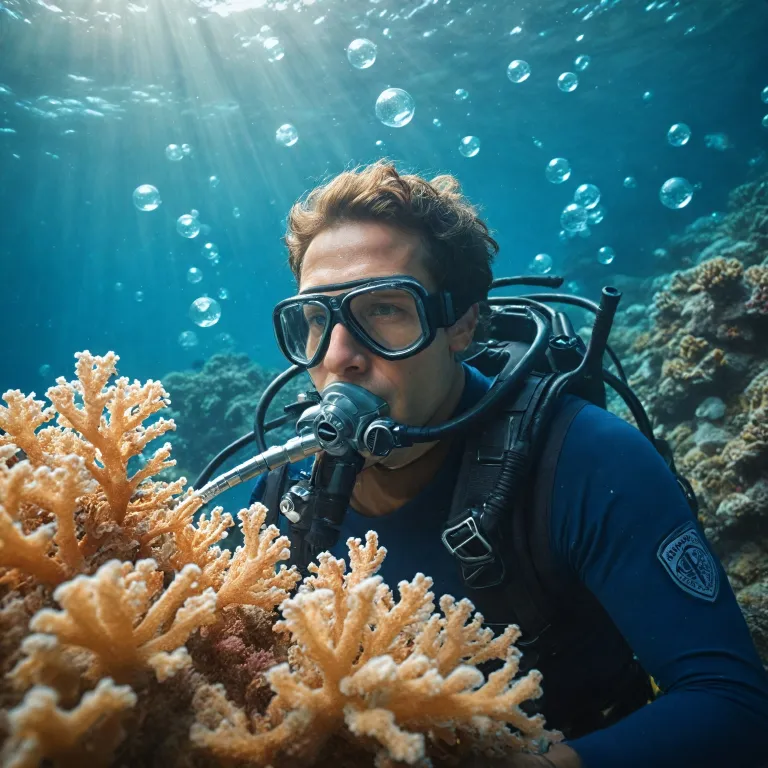
The science behind decompression sickness and the bends in scuba diving
Decompression sickness, often referred to as "the bends," is a critical concern for every scuba diver. This condition arises when nitrogen gas, absorbed by the body during a dive, forms bubbles as pressure decreases during ascent. The risk of decompression sickness increases with deeper and longer dives, as more nitrogen dissolves in the body’s tissues. When a diver ascends too quickly, these nitrogen bubbles can form in the bloodstream and tissues, leading to a range of symptoms and complications.
Understanding the relationship between pressure, gas absorption, and decompression is essential for safe diving. The body’s tissues absorb more nitrogen under higher pressure at depth, and controlled decompression stops are necessary to allow safe off-gassing. Dive computers and tables help divers manage their ascent rates and decompression stops, reducing the risk of bends. Failure to follow these protocols can result in decompression illness, which encompasses both decompression sickness and arterial gas embolism.
Symptoms of decompression sickness can manifest within minutes to hours after surfacing. These include joint pain, dizziness, fatigue, and in severe cases, neurological deficits or even death. The bends scuba divers experience are not limited to deep dives; even shallow dives with rapid ascents can cause symptoms. Recognizing the signs symptoms early and understanding the underlying mechanisms of nitrogen bubbles is vital for timely intervention and treatment.
Recognizing the symptoms and risks of decompression sickness in divers
Scuba divers must be vigilant for the symptoms bends can produce, as early detection is key to effective treatment. Joint pain is the most common symptom, affecting approximately 60% of decompression sickness cases. Other symptoms include numbness, dizziness, headache, and, in severe cases, paralysis or loss of consciousness. These signs symptoms may develop immediately after a dive or up to 24 hours later, making ongoing self-monitoring essential.
Several factors can increase risk of decompression sickness, including dehydration, cold water, high altitude diving, and repetitive dives without adequate surface intervals. Divers who ascend too rapidly or skip decompression stops are at higher risk for bends diving and gas embolism. The presence of nitrogen bubbles in the spinal cord can lead to neurological complications, emphasizing the importance of gradual ascent and adherence to safety protocols.
It is also important to consider environmental and physiological variables. For example, diving at high altitude or flying soon after a dive can increase risk dcs due to changes in atmospheric pressure. Divers should always use dive computers to monitor their profiles and follow recommendations for surface intervals and decompression stops. For more detailed guidance on safe diving practices, refer to comprehensive diving safety protocols.
Prevention strategies: minimizing the risk of the bends in scuba diving
Effective prevention of decompression sickness begins with proper dive planning and adherence to established safety guidelines. Divers should always ascend slowly, making decompression stops as indicated by their dive computers or tables. Staying hydrated and avoiding alcohol before and after diving are simple yet crucial steps to reduce the risk of bends scuba and decompression illness. Proper training and certification ensure divers understand the mechanics of gas absorption and decompression.
Modern dive computers have revolutionized decompression management by providing real-time data on ascent rates, nitrogen loading, and required decompression stops. These tools help divers avoid rapid ascents and minimize the formation of nitrogen bubbles. Additionally, divers should avoid flying or traveling to high altitude within 24 hours after diving, as this can increase risk of decompression sickness due to reduced ambient pressure.
Buddy systems and pre-dive safety checks further enhance risk management. Dive instructors play a pivotal role in educating divers about the dangers of decompression sickness and the importance of following protocols. For more in-depth information on decompression and dive planning, visit advanced decompression techniques.
Treatment options for decompression sickness: from oxygen to hyperbaric therapy
Immediate recognition and response are critical when symptoms bends appear after a dive. The first step in treatment is the administration of 100% oxygen, which helps reduce nitrogen bubbles and improves tissue oxygenation. Hyperbaric oxygen therapy is the definitive treatment for decompression sickness, involving recompression in a hyperbaric chamber to dissolve nitrogen bubbles and restore normal blood flow.
Hyperbaric medicine specialists are trained to manage decompression illness and tailor treatment protocols to the severity of symptoms. In cases of severe decompression sickness or gas embolism, rapid transport to a hyperbaric facility is essential. Divers should avoid physical exertion and remain hydrated while awaiting medical care, as these measures can help limit the progression of symptoms.
It is important to note that not all cases of decompression sickness present with classic symptoms. Subtle signs symptoms such as fatigue or mild joint pain should not be ignored, as early intervention improves outcomes.
The role of education and technology in reducing decompression illness among divers
Education is a cornerstone of decompression sickness prevention. Dive instructors and organizations emphasize the importance of understanding decompression theory, recognizing symptoms, and using technology to enhance safety. Training programs cover the mechanics of gas absorption, the effects of pressure changes, and the proper use of dive computers and tables.
Technological advancements, such as sophisticated dive computers and real-time monitoring, have significantly reduced the incidence of bends diving and decompression illness. These devices provide divers with critical information on ascent rates, decompression stops, and nitrogen loading, allowing for safer dive profiles. The integration of digital logbooks and mobile apps further supports post-dive analysis and risk assessment.
Ongoing research and innovation in hyperbaric medicine continue to improve treatment outcomes for divers affected by decompression sickness. Partnerships with organizations like Diver's Alert Network and the Undersea & Hyperbaric Medical Society ensure that divers have access to the latest safety guidelines and emergency protocols. As one expert states, "Common symptoms include joint pain, dizziness, headache, fatigue, numbness, and in severe cases, paralysis or death." This highlights the need for continuous education and vigilance in the diving community.
Environmental and physiological factors influencing decompression risk
Environmental conditions such as water temperature, current, and visibility can influence a diver’s risk of decompression sickness. Cold water increases nitrogen absorption, while strong currents may force divers to exert themselves more, raising the risk of gas embolism and decompression illness. Visibility issues can lead to disorientation and rapid ascents, further increasing the likelihood of bends scuba and nitrogen bubbles forming in the body.
Physiological factors also play a significant role. Individual susceptibility to decompression sickness varies based on age, body composition, hydration status, and overall health. Divers with pre-existing medical conditions or poor physical fitness are at higher risk for symptoms bends and decompression illness. Regular medical check-ups and honest self-assessment are essential for safe diving practices.
Understanding the interplay between environmental and physiological factors allows divers to make informed decisions and adjust their dive plans accordingly. By recognizing higher risk scenarios and taking appropriate precautions, divers can minimize the likelihood of experiencing the bends. Adhering to best practices and leveraging technology ensures a safer and more enjoyable diving experience.
Long-term health considerations and safe diving practices for the future
Repeated exposure to decompression stress can have cumulative effects on a diver’s health. Chronic joint pain, neurological symptoms, and reduced mobility are potential long-term consequences of untreated or recurrent decompression sickness. Divers should prioritize regular health assessments and report any persistent symptoms bends to medical professionals.
Adopting a conservative approach to dive planning, including longer surface intervals and shallower dive profiles, can reduce the risk of decompression illness over time. Divers should also stay informed about advancements in decompression theory and technology, as ongoing research continues to refine best practices. Participation in refresher courses and continuing education ensures that divers remain up to date with the latest safety protocols.
Ultimately, a commitment to safe diving practices, awareness of personal limits, and prompt response to symptoms are the keys to preventing the bends and ensuring long-term health. By integrating education, technology, and medical support, the diving community can continue to enjoy the wonders of the underwater world while minimizing the risks associated with decompression sickness.
Key statistics on decompression sickness and the bends
- Incidence of decompression sickness among recreational divers: 1 per 5,000 to 10,000 dives
- Percentage of decompression sickness cases with joint pain: 60%
- Percentage of decompression sickness cases with neurological symptoms: 10%
Frequently asked questions about decompression sickness in scuba diving
What are the common symptoms of decompression sickness?
Common symptoms include joint pain, dizziness, headache, fatigue, numbness, and in severe cases, paralysis or death.
How can decompression sickness be prevented?
Preventive measures include ascending slowly, adhering to dive tables, avoiding alcohol before and after diving, staying hydrated, and ensuring proper training.
What is the treatment for decompression sickness?
Treatment typically involves administration of 100% oxygen and recompression therapy in a hyperbaric chamber.