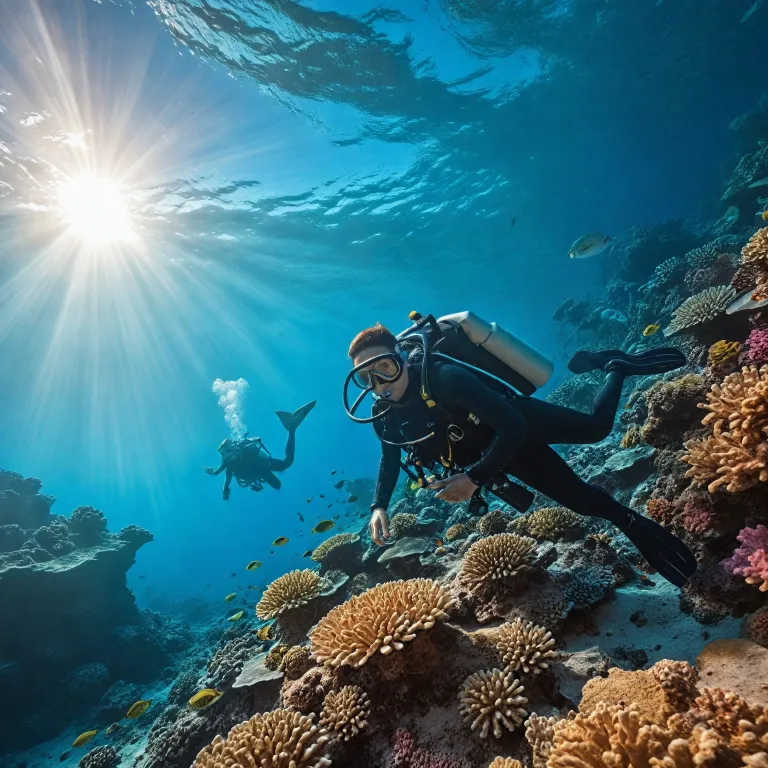
Understanding the fundamentals of diving techniques for beginners
Embarking on a diving and marine travel adventure requires a solid grasp of foundational diving techniques. For beginners, mastering buoyancy control is crucial; it allows you to move effortlessly underwater and minimizes disturbance to marine life. Equalizing pressure in your ears and mask is another essential skill, as it prevents discomfort and potential injury during descent. Learning to read your dive computer and monitoring your air supply ensures safety throughout your underwater journey.
Proper finning techniques, such as the flutter and frog kick, help conserve energy and maintain control in varying currents. Practicing slow, deep breathing not only extends your dive time but also promotes calmness and enhances your overall experience. Beginners should also become familiar with basic hand signals, which are vital for effective underwater communication. These skills form the backbone of safe and enjoyable diving and marine travel, setting the stage for more advanced explorations.
Before venturing into open water, spend time in a controlled environment like a pool to refine your skills. This controlled practice builds confidence and prepares you for the unique challenges of diving and marine travel in open water settings. Remember, patience and consistency are key as you develop your diving techniques and adapt to the underwater world.
Essential safety protocols for novice divers in marine environments
Safety is paramount when engaging in diving and marine travel, especially for those new to the sport. Always perform a thorough pre-dive safety check with your buddy, ensuring all equipment is functioning correctly. Familiarize yourself with emergency procedures, including how to share air and ascend safely in case of an issue. Understanding the local marine environment, such as currents and visibility, is critical for planning a safe dive.
Novice divers should never exceed their training limits or dive beyond their comfort zone. It is advisable to start with shallow dives and gradually progress to deeper sites as your confidence and skills grow. Staying hydrated and avoiding alcohol before diving reduces the risk of decompression sickness and other health complications. For more comprehensive guidance on safe and memorable underwater journeys, explore this essential resource for beginner divers.
Monitoring your ascent rate is vital; ascending too quickly can lead to serious injuries such as decompression sickness. Always perform a safety stop at 5 meters for three minutes before surfacing. These protocols, when followed diligently, ensure that your diving and marine travel experiences remain both safe and enjoyable.
Choosing the right equipment for diving and marine travel
Selecting appropriate gear is a fundamental aspect of diving and marine travel for beginners. A well-fitting mask, snorkel, and fins are the basic essentials, providing comfort and enhancing your underwater mobility. Investing in a reliable wetsuit or drysuit, depending on the water temperature, ensures thermal protection and extends your dive duration. Your buoyancy control device (BCD) and regulator must be properly maintained and suited to your body size and diving style.
Consider the advantages of owning versus renting equipment, especially if you plan to dive frequently during your marine travels. Personal gear offers familiarity and a better fit, while rental equipment can be convenient for occasional divers. Dive computers have become indispensable for tracking depth, time, and decompression limits, adding an extra layer of safety to your dives. For a detailed breakdown of the steps and skills required to earn your scuba certification, refer to this comprehensive guide to scuba certification.
Regular maintenance and proper storage of your equipment are essential for longevity and performance. Rinse all gear with fresh water after each dive and store it in a cool, dry place. By prioritizing quality equipment and diligent care, you enhance both safety and enjoyment throughout your diving and marine travel adventures.
Building confidence through guided dives and training programs
Participating in guided dives and structured training programs is invaluable for beginners in diving and marine travel. Certified instructors provide hands-on guidance, helping you refine your techniques and build confidence in real-world conditions. Group dives foster camaraderie and offer opportunities to learn from more experienced divers, accelerating your progress.
Many dive centers offer beginner-friendly courses that cover essential skills, safety protocols, and environmental awareness. These programs often include confined water sessions followed by open water dives, ensuring a gradual and supportive learning curve. As you gain experience, consider specialty courses such as underwater navigation or marine life identification to broaden your skill set.
Guided dives also introduce you to diverse marine environments, from coral reefs to shipwrecks, enhancing your appreciation for the underwater world. For those interested in solo diving, it is crucial to first gain extensive experience and understand the unique risks involved. For further insights on solo dive travel and safety, consult this comprehensive solo dive travel guide. Embracing continuous learning and mentorship ensures a rewarding journey in diving and marine travel.
Environmental stewardship and responsible diving practices
Respecting the marine environment is a core principle of diving and marine travel. Beginners should be mindful of their buoyancy to avoid accidental contact with fragile corals and marine creatures. Adhering to the "look but don't touch" philosophy protects both the diver and the ecosystem, preserving biodiversity for future generations.
Participating in marine conservation initiatives, such as underwater cleanups or citizen science projects, deepens your connection to the ocean. Many dive operators promote eco-friendly practices, including the use of reef-safe sunscreen and minimizing single-use plastics. Responsible divers also avoid feeding or chasing marine animals, allowing natural behaviors to unfold undisturbed.
Understanding local regulations and protected areas is essential for ethical diving and marine travel. By supporting sustainable tourism operators and advocating for marine protection, you contribute to the long-term health of the oceans. Environmental stewardship is not only a responsibility but also enhances the richness of your underwater experiences.
Planning your first diving and marine travel adventure
Careful planning is the foundation of a successful diving and marine travel experience for beginners. Research destinations that cater to novice divers, offering calm waters, excellent visibility, and accessible dive sites. Consider the best time of year for optimal conditions, taking into account water temperature, currents, and marine life activity.
Organize your travel documents, dive insurance, and medical clearance well in advance. Booking with reputable dive operators ensures high safety standards and knowledgeable guides. Packing a checklist that includes essential gear, certification cards, and personal items streamlines your preparation process.
Engage with online forums and dive communities to gather insights and recommendations from experienced travelers. Embrace flexibility in your itinerary, allowing time for rest and acclimatization between dives. With thoughtful planning and a commitment to learning, your first foray into diving and marine travel will be both memorable and transformative.
Key statistics on diving techniques and beginner tips
- No dataset provided for quantitative statistics.
Frequently asked questions about diving techniques for beginners
What is the best way to improve buoyancy control as a beginner?
Practice in a controlled environment, such as a pool, focusing on slow, deep breathing and adjusting your weights. Regular feedback from instructors and using a properly fitted BCD also help refine your buoyancy control.
How can I ensure my safety during my first open water dive?
Always dive with a buddy, perform thorough equipment checks, and follow your training limits. Pay attention to your instructor's guidance and never hesitate to ask questions if you feel uncertain.