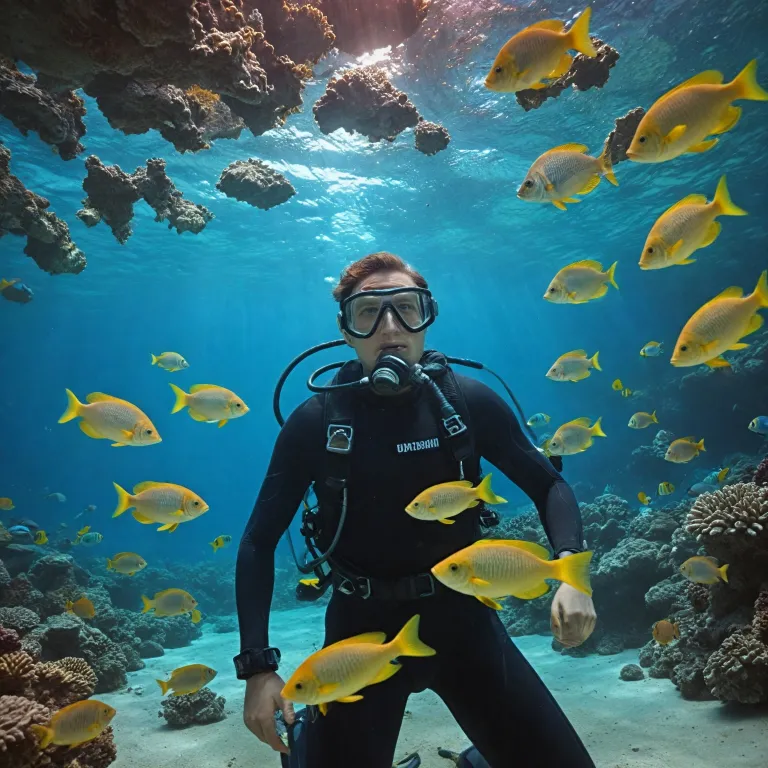
Understanding the fundamentals of breathing techniques in diving
Effective breathing techniques are the cornerstone of safe and enjoyable diving. For those interested in diving and marine travel, mastering how to control your breath underwater can transform your experience. Breathing techniques help divers maintain buoyancy, conserve air, and reduce anxiety, all of which are essential for both beginners and experienced enthusiasts. Proper breathing techniques in diving involve slow, deep inhalations followed by relaxed exhalations, which optimize air consumption and support longer, more comfortable dives. By focusing on these fundamentals, divers can better adapt to the underwater environment and respond calmly to unexpected situations. Practicing these skills on land before entering the water is highly recommended for anyone planning a marine travel adventure. The ability to manage your breath not only enhances safety but also allows you to fully appreciate the beauty of the marine world.
Physiological benefits of controlled breathing during dives
Controlled breathing techniques in diving offer significant physiological advantages. By regulating your breath, you can lower your heart rate and reduce oxygen consumption, which is vital for extending dive times and minimizing fatigue. Divers who consistently apply these techniques often report feeling more relaxed and focused during their underwater journeys. This calmness is especially important in challenging conditions or when exploring new marine environments. Additionally, proper breathing techniques help prevent issues such as hypercapnia, which can occur when carbon dioxide builds up due to shallow or rapid breathing. For those passionate about diving and marine travel, understanding these physiological benefits is crucial for long-term health and enjoyment. Regular practice of controlled breathing techniques ensures that each dive is not only safer but also more rewarding.
Practical exercises to improve breathing techniques for divers
Incorporating practical exercises into your routine can significantly enhance your breathing techniques for diving. Begin with diaphragmatic breathing exercises on land, focusing on expanding your abdomen rather than your chest with each breath. This method increases lung capacity and promotes efficient gas exchange, which is essential for diving and marine travel. Another effective exercise is box breathing, where you inhale, hold, exhale, and pause for equal counts, training your body to maintain calm under pressure. Practicing these exercises regularly helps divers internalize proper breathing techniques, making them second nature underwater. For those planning extensive marine travel, these habits can be invaluable when adapting to different dive sites and conditions. Consistent practice ensures that your breathing techniques remain effective, regardless of the challenges you encounter during your adventures.
Common challenges and solutions in mastering breathing techniques
Many divers face challenges when learning to apply breathing techniques in real-world scenarios. Anxiety, excitement, or unfamiliar environments can disrupt even the most practiced breathing patterns. To overcome these obstacles, it is important to focus on mindfulness and relaxation both before and during dives. Visualization techniques, such as imagining a calm and steady breath, can help reinforce positive habits. Additionally, diving with a supportive buddy or instructor can provide reassurance and guidance, making it easier to maintain effective breathing techniques. For those engaged in diving and marine travel, adapting to new locations may require extra attention to these skills. By acknowledging and addressing these challenges, divers can ensure that their breathing techniques remain consistent and reliable, enhancing both safety and enjoyment.
Integrating breathing techniques into dive planning and marine travel
Successful dive planning involves more than just selecting a destination or checking equipment; it also requires integrating effective breathing techniques into every stage of the journey. Before each dive, take time to practice deep, controlled breaths to center yourself and prepare mentally. During the dive, maintain a steady rhythm and monitor your air consumption, adjusting your breathing techniques as needed to suit the environment. For those exploring diverse marine travel destinations, understanding how local conditions—such as water temperature or current—affect your breathing is essential. Incorporating these considerations into your dive planning ensures that you are prepared for any situation. For more insights on how environmental factors influence diving, refer to this comprehensive guide on optimal seasons and conditions for diving in Bali. By making breathing techniques a central part of your preparation, you can maximize both safety and enjoyment throughout your marine travel experiences.
Long-term benefits of mastering breathing techniques for diving and marine travel
Mastering breathing techniques offers lasting benefits for those passionate about diving and marine travel. Over time, these skills contribute to improved physical fitness, greater confidence underwater, and a deeper connection with the marine environment. Divers who consistently apply effective breathing techniques often experience fewer incidents of fatigue, anxiety, or air depletion, allowing for longer and more fulfilling dives. Additionally, these habits support overall well-being, as controlled breathing is linked to reduced stress and enhanced mental clarity. For anyone committed to exploring the world’s oceans, investing in the mastery of breathing techniques is an essential step toward safer, more enjoyable, and more sustainable marine travel. The journey toward excellence in diving begins with each breath you take.
Key statistics on breathing techniques in diving
- No statistics dataset provided.
Frequently asked questions about breathing techniques in diving
No FAQ dataset provided.