How to define the best scuba in Hawaii for your style of diving
Choosing the best scuba in Hawaii starts with understanding how you like to dive. Some divers want relaxed reef dives in warm water, while others chase deep wreck adventures or a manta ray night dive that feels almost surreal. On each island you will find a different balance of coral, marine life, current and access, so matching your expectations to the right dive sites is essential.
When people talk about the best scuba in Hawaii, they usually mean a mix of clear water, healthy coral reef and reliable encounters with iconic marine life. Hawaii offers all three, but conditions vary between Oahu, Maui, the Big Island and more remote islands, and each region rewards a different level of experience in open water. Before you book any scuba diving package, decide whether you prefer easy shore entries, a guided boat dive with a professional dive center, or advanced dives that require strong skills as a water diver.
Think about your certification level and how many dives you have logged so far. Newer divers often feel more comfortable starting with shallow reef sites, while an experienced diver will usually seek deeper walls, swim throughs and perhaps a wreck or two. If you plan to focus on diving Hawaii for several days, consider alternating gentle morning dives with a more challenging night dive or a signature manta ray experience to keep your schedule balanced.
Maui and Lanai: clear water craters and cathedral style lava formations
For many island divers, Maui is where the best scuba in Hawaii truly begins. The volcanic crescent of Molokini Crater, located offshore, offers some of the clearest water in the archipelago, with visibility often reaching about 30 metres on calm summer days according to long term reports from local operators and training agencies. Its protected interior wall suits newer divers, while the outer reef and deeper drop offs reward confident open water and advanced level scuba diving with schooling fish and pelagic visitors.
Boat operators from Maui also run regular boat dives to the Lanai Cathedrals, which rank among the most atmospheric dive sites in the Hawaiian Islands. Here, lava tubes and caverns create soaring chambers where light beams cut through the water, giving divers the feeling of swimming inside a submerged chapel. These dives usually combine a lava structure dive site with a second coral reef, so you can enjoy both geology and marine life in a single two tank scuba dive.
Those interested in tropical reef travel often compare Maui and Lanai with other destinations such as the serene reefs of Isla Mujeres, described in this detailed guide to diving Isla Mujeres and its calm coral sites. Maui’s draw lies in its blend of dramatic lava formations, accessible boat dive logistics and a wide choice of dive centers that cater to every level of diver. As one instructor based in Lahaina likes to tell new guests, “You can do your first post certification reef dive and a bucket list crater wall in the same week,” which captures why this island rarely disappoints.
Big Island and Kona: manta rays, lava landscapes and advanced reef walls
The Big Island is often the first answer when experienced divers ask where to find the best scuba in Hawaii. Along the Kona coast, clear leeward water and rugged lava formations create a network of dive sites that range from shallow coral gardens to steep walls and caverns. Many visitors base themselves around Kailua Kona, where numerous dive centers offer both shore dives and boat dives tailored to different skill levels.
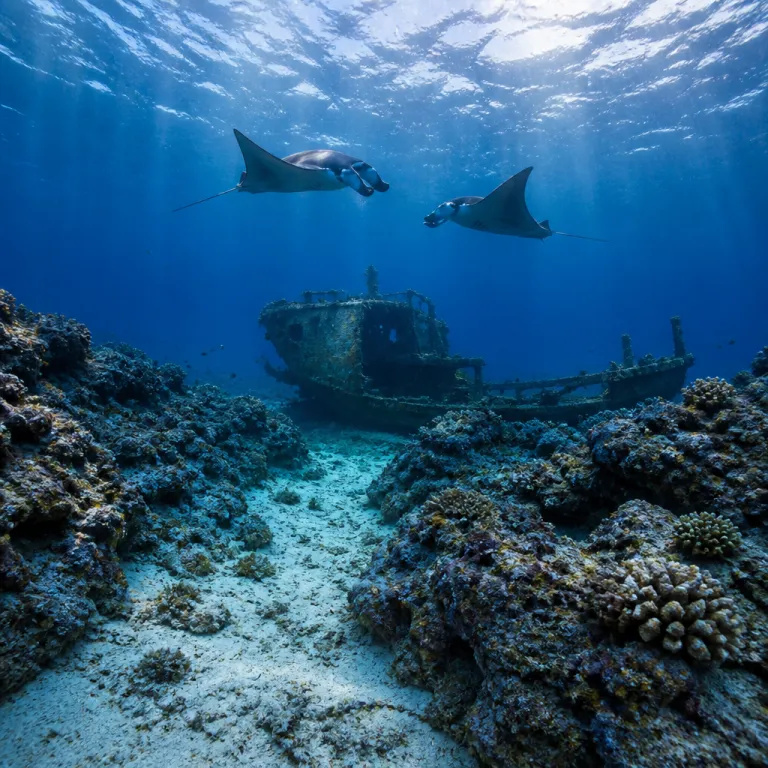
The signature experience here is the famous Kona Manta Night Dive, which many consider one of the best single dives in the Pacific. Powerful lights attract plankton in the water, and manta rays swoop through the beams with astonishing grace, sometimes passing just above a diver’s head. Operators often combine this manta ray night dive with a late afternoon reef dive, giving water divers time to adjust before the main event and allowing them to observe daytime and nocturnal marine life in one outing.
Beyond manta rays, the Big Island offers lava arches, coral reef slopes and occasional pelagic sightings that keep scuba diving here varied across multiple days. If you enjoy thoughtful, conservation minded travel, you may appreciate this in depth look at diving and snorkeling in Belize’s reef systems, which highlights how responsible practices can protect coral while still delivering world class dives. Applying similar care when diving Hawaii will help preserve manta ray cleaning stations, fragile coral heads and the wider marine ecosystem that makes this island such a compelling destination for serious divers.
Oahu and beyond: wrecks, urban reefs and remote island expeditions
Oahu offers a very different version of the best scuba in Hawaii, combining accessible urban reefs with some of the region’s most photogenic wreck dives. Off Waikiki, the YO 257 wreck rests in clear water at roughly 30 metres and attracts turtles, schooling fish and occasional reef sharks, making it a favourite for underwater photographers. This wreck dive usually suits confident open water divers who are comfortable with depth, and many dive centers pair it with a second, shallower coral reef site.
Shore accessible sites around Oahu provide easier entries for newer divers, while still offering healthy coral, sea turtles and varied marine life. Local island divers often use these sites for training, building skills before progressing to deeper wrecks or more advanced boat dives offshore. If you are planning several days of diving Hawaii, alternating between wrecks and reefs on Oahu will keep your logbook varied and help you refine buoyancy in different environments.
For those seeking something more remote, Niihau, reached seasonally from Kauai, offers dramatic walls, caverns and the chance to see Hawaiian monk seals in exceptionally clear water. These dives are best reserved for experienced divers, as conditions can be challenging and the boat ride is long, but the reward is a sense of wilderness rarely matched elsewhere in the islands. Access is tightly controlled, with trips typically run by a small number of Kauai based charter boats, so when planning such expeditions remember the practical advice often shared by local operators: “Book dives in advance, especially during peak seasons,” “Check weather conditions before planning dives,” and “Ensure proper certification for advanced dive sites.”
Marine life, coral reefs and eco conscious diving practices in Hawaii
Part of what makes the best scuba in Hawaii so compelling is the sheer diversity of marine life found across the islands. Scientists have identified around 680 endemic marine species here, a figure reported by the Hawai‘i Division of Aquatic Resources and related state summaries, meaning they occur only in Hawaiian waters and nowhere else on Earth. For divers, that translates into unique fish, invertebrates and coral communities that reward slow, attentive exploration of each reef and lava ledge.
On a typical coral reef dive site you might encounter sea turtles resting under ledges, schools of goatfish sifting through the sand and eels peering from crevices. Night dives reveal a different cast of characters, as crustaceans, hunting moray eels and nocturnal predators emerge into the beam of your dive light. Whether you are on a shallow shore dive or a deeper boat dive, maintaining good buoyancy and avoiding contact with coral is essential to protect these fragile structures that support so much marine life.
Eco conscious divers increasingly look for operators who follow recognised sustainability standards and limit their impact on the reef. A thoughtful analysis of such initiatives, including the Green Fins programme, can be found in this article on whether conservation labels are genuine levers or just marketing badges. When choosing a dive center in Hawaii, ask about their approach to anchoring, wildlife interaction and reef safe sunscreen, because your decisions as a water diver will directly influence the long term health of the coral reef systems you have travelled so far to enjoy.
Planning your Hawaii dive trip: logistics, safety and matching sites to skills
To experience the best scuba in Hawaii, planning matters as much as the dives themselves. The islands offer year round scuba diving, with summer usually bringing calmer water and better visibility, especially at exposed sites like Molokini Crater and Niihau. If your schedule is flexible, aim for these calmer months, particularly if you are a newer diver or planning advanced dives such as deep wrecks or the more challenging manta ray encounters.
Certification is a non negotiable requirement for most dive sites, and operators will ask to see your card before you board the boat. As local guidance clearly states, “Do I need a certification to dive in Hawaii?” and the answer is “Yes, a valid scuba certification is required for most dive sites.” If you are not yet certified, consider completing an Open Water course at home, then using your time in Hawaii to build experience through guided dives rather than spending precious travel days in a classroom.
When selecting a dive center, look for small group ratios, clear safety briefings and guides who know each dive site intimately. Ask how many dives they schedule at signature locations like the Kona Manta Night Dive, whether they offer separate groups for different experience levels and how they manage currents or surge. Thoughtful planning will ensure that each scuba dive matches your comfort zone, allowing you to enjoy Hawaii’s reefs, wrecks and manta rays with confidence and to leave the islands with both a richer logbook and a deeper respect for the marine environment.
Key figures for diving in Hawaii
- Hawaii hosts about 680 endemic marine species, a number cited by state marine resource agencies and the Hawai‘i Division of Aquatic Resources, meaning these animals live only in Hawaiian waters and nowhere else, which makes every reef dive here biologically distinctive compared with other tropical destinations.
- Typical visibility at Molokini Crater can reach around 30 metres in summer, based on long running dive operator logs and training reports, significantly clearer than many coastal sites worldwide and ideal for underwater photography and training new divers in buoyancy control.
- Diving in Hawaii is possible throughout the year, but summer months usually offer calmer seas and more predictable conditions, which benefits both first time visitors and experienced divers planning advanced wreck or wall dives.
- Signature experiences such as the Kona Manta Night Dive operate year round, yet operators often report the most reliable manta ray activity during stable summer weather, so planning travel around these periods increases your chances of memorable encounters.
- Remote destinations like Niihau are typically accessible only in the calmer season, which concentrates demand into a few months and makes early booking essential for divers who want to include these advanced sites in their itinerary.
FAQ: practical questions about the best scuba in Hawaii
What is the best time of year to dive in Hawaii ?
Diving in Hawaii is possible all year, with water temperatures staying comfortable for wetsuit diving in every season. Summer usually brings calmer seas and better visibility, which benefits both reef and wreck dives across the islands. If you want to visit exposed sites such as Molokini Crater or Niihau, planning for the summer period will generally provide the most reliable conditions.
Do I need a certification to go scuba diving in Hawaii ?
Yes, you need a recognised scuba certification for almost all guided dives in Hawaii, whether on Oahu, Maui, the Big Island or Kauai. Operators will check your card before taking you to deeper reefs, wrecks or the Kona Manta Night Dive. If you are not yet certified, you can either complete an Open Water course at home or arrange a full course with a local dive center, then add extra fun dives once qualified.
Are there beginner friendly dive sites in Hawaii ?
Several islands offer beginner friendly sites with gentle conditions and easy entries, making them ideal for newer divers. Molokini Crater’s inner reef, Turtle Canyon off Oahu and many sheltered shore dives on the Big Island provide shallow depths, mild currents and abundant marine life. These locations allow you to gain confidence while still enjoying coral reefs, sea turtles and colourful fish typical of tropical Pacific diving.
Which Hawaiian island is best for manta ray encounters ?
The Big Island, particularly the Kona coast near Kailua Kona, is the premier destination for manta ray encounters in Hawaii. The famous Kona Manta Night Dive uses lights to attract plankton, drawing manta rays into predictable feeding patterns that divers can observe from the bottom. While manta rays can appear around other islands, Kona offers the most established and reliable manta focused dive operations.
Can I combine wreck dives and coral reef dives on the same trip ?
Yes, many visitors design itineraries that include both wrecks and reefs, often by splitting time between Oahu and either Maui or the Big Island. Oahu excels at accessible wreck dives such as the YO 257, while Maui and the Big Island offer extensive coral reef systems, lava formations and manta ray experiences. By planning at least a week and coordinating with reputable dive centers, you can enjoy a varied mix of dive sites without rushing.