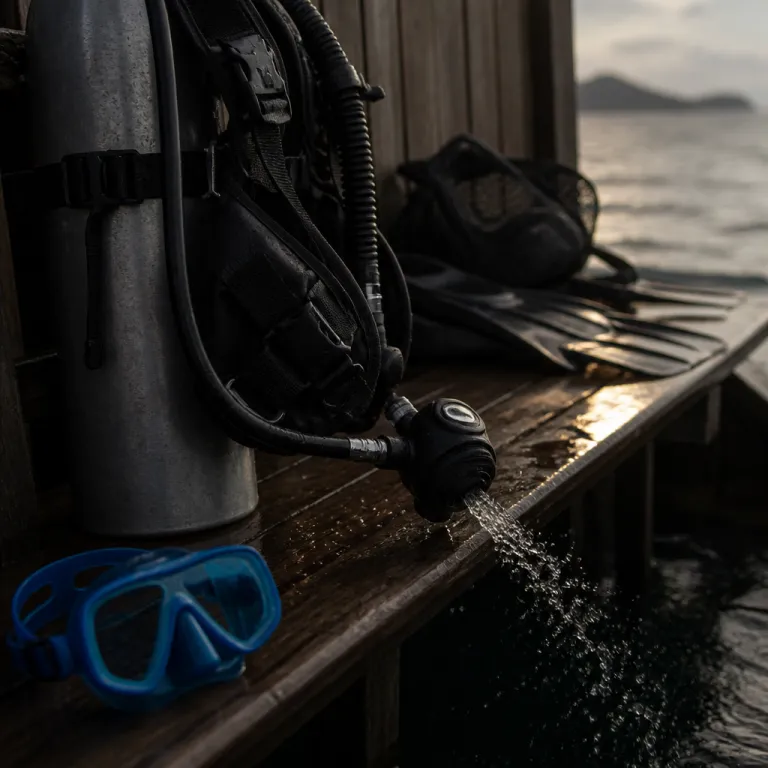
Why diving in Indonesia belongs on every serious diver’s map
Diving in Indonesia offers an unmatched blend of biodiversity, culture, and surprisingly straightforward logistics. Across more than seventeen thousand islands, certified divers can design a single itinerary that combines gentle coral gardens, adrenaline-charged drift dives, and world-class muck diving. For anyone passionate about marine life, this island nation delivers some of the most varied underwater experiences on the planet.
Indonesia sits at the heart of the Coral Triangle, where warm tropical waters nurture around three quarters of the world’s known coral species. That concentration of coral reefs supports dense marine life, from tiny pygmy seahorses to whale sharks and manta rays, giving scuba diving here a sense of constant surprise. Because conditions are generally suitable year round, careful timing of your diving season lets you chase the best time for each region rather than relying on a single fixed window.
Planning a first Indonesia diving trip starts with choosing which islands match your experience level and interests. Bali and nearby Nusa Penida suit new divers who want accessible dive sites, comfortable island stays, and easy travel connections. East Indonesia, including Komodo, Raja Ampat, and the Banda Sea, rewards confident divers with crystal-clear waters, remote islands, and some of the most memorable dive adventures found anywhere.
From Bali to Nusa Penida: gentle starts and thrilling currents
Bali remains the most popular gateway for diving in Indonesia, and for good reason. The island combines reliable dive centers, varied marine life, and shore-based coral reefs that make training dives straightforward for beginners. Many visitors earn their first scuba diving certification here before exploring more remote islands across the archipelago.
On Bali’s northeast coast, Tulamben and Amed offer calm waters, easy entries, and famous wreck and reef dive sites. These areas are ideal for a first Indonesia diving trip because you can mix relaxed shore dives with slightly deeper excursions under professional guidance. For underwater photographers, the nearby muck diving sites around Seraya and the black sand slopes of Amed provide unusual critters without the need for a liveaboard. Typical water temperatures range from 27–29 °C (81–84 °F), with visibility often between 15 and 25 meters during the April–October dry season.
Across the strait, Nusa Penida and its neighboring islands raise the intensity for more experienced divers. Strong currents sweep along dramatic walls and coral reefs, attracting manta rays to cleaning stations and, in cooler months, occasional oceanic sunfish. As one local guide likes to say, “you come for the mantas, but you stay for the rush of the currents and the glow of the reefs at slack tide,” a reminder that this region offers some of the best dive opportunities close to Bali while still allowing you to return to the island each evening. Most operators recommend at least Advanced Open Water certification and recent drift-diving experience for the more exposed Nusa Penida sites.
Komodo National Park: where currents sculpt extraordinary marine life
Komodo National Park is often the next step for divers who have tasted Bali and want wilder waters. Here, the meeting of the Indian and Pacific oceans creates powerful tidal flows that feed dense marine life and shape some of Indonesia’s most dramatic dive sites. Because conditions can change quickly, this area rewards divers who already feel comfortable in currents, negative entries, and blue-water safety stops.
Within Komodo National Park, classic sites such as Batu Bolong, Castle Rock, and Crystal Rock showcase why diving Indonesia has become a benchmark for adventurous travel. These pinnacles and seamounts rise from deep channels, their coral reefs swept by nutrient-rich waters that attract sharks, trevallies, and swirling schools of fusiliers. On the park’s southern side, cooler upwellings bring manta rays to cleaning stations, creating some of the best dive encounters with these graceful animals. Water temperatures can vary from 21–24 °C (70–75 °F) in the south to 26–28 °C (79–82 °F) in the north, so a 5 mm wetsuit and hooded vest are common recommendations.
Many visitors choose a Komodo liveaboard to reach the full spread of islands and underwater sites. A liveaboard trip allows you to dive both the warmer north and the cooler south in a single diving season, adjusting your route to the best time for visibility and manta activity. Between dives, you can step ashore on a rugged island to see the famous Komodo dragons, adding a terrestrial highlight to an already rich marine itinerary. A typical one-week route includes three to four dives per day, with minimum Advanced Open Water certification and 30–50 logged dives often requested.
Raja Ampat and the Banda Sea: remote east Indonesia at its finest
Raja Ampat, in far east Indonesia, has become synonymous with pristine coral reefs and staggering biodiversity. The name Raja Ampat refers to a cluster of main islands and countless smaller islets, all fringed by coral that seems to spill endlessly into crystal-clear waters. For divers who value healthy marine life above all else, this region offers some of the best dive experiences anywhere in Indonesia.
Because the area is vast, most visitors join a Raja Ampat liveaboard that can move between Misool’s soft coral gardens, Dampier Strait’s manta ray cleaning stations, and the mangrove-lined bays of the north. These trips highlight why diving Indonesia is not just about individual dive sites but about entire seascapes, where every island and channel feels different underwater. Strong conservation efforts and the remoteness of the islands help keep marine life densities high, from reef sharks and schooling barracuda to clouds of anthias over the reefs. Peak season generally runs from October to April, with water temperatures around 28–30 °C (82–86 °F) and visibility often 15–30 meters depending on plankton levels.
South of Raja Ampat, the Banda Sea offers a more off-the-radar style of Indonesia diving. Here, steep volcanic islands rise from deep blue waters, and seasonal liveaboard routes link Banda’s historic spice islands with Raja Ampat or even Komodo. For serious divers planning a long-range trip, a dedicated Banda Sea liveaboard itinerary can deliver encounters with schooling hammerheads, untouched coral reefs, and a sense of exploration that is increasingly rare. These expeditions usually run during transition months such as March–April and September–November, when seas are calmer and pelagic sightings peak.
Choosing the best time, diving season, and style of trip
Because Indonesia stretches across a vast area, the best time for diving in Indonesia depends on which islands you plan to visit. The general dry season from April to October brings calmer seas and better visibility to many regions, but some areas such as Raja Ampat remain viable almost year round. Smart divers match each diving season to their chosen region rather than chasing a single national calendar.
For Bali, Nusa Penida, and Komodo National Park, the dry months usually offer the best dive conditions, with more stable waters and fewer surface storms. In contrast, Raja Ampat and parts of east Indonesia can be dived throughout the year, though liveaboard operators often adjust routes to avoid rougher seas. When planning an Indonesia diving trip that combines several regions, consider starting in Bali for training and then moving east as the season shifts. A common two-week itinerary might include four to five days of shore-based diving in Bali followed by a seven-night liveaboard in Komodo or Raja Ampat.
Another key decision is whether to base yourself on a single island or join a liveaboard. Shore-based diving suits new divers, photographers who prefer flexible schedules, and travelers combining underwater time with cultural excursions. Liveaboard trips, by contrast, unlock remote dive sites, allow more dives per day, and often provide the best dive access to areas like Komodo, Raja Ampat, and the Banda Sea. When comparing options, look at maximum group size, number of dives included, and whether nitrox is available for longer multi-day itineraries.
Practical planning: certifications, safety, and responsible marine travel
Before you dive in Indonesia, ensure your scuba diving certification matches the conditions you plan to face. Strong currents in Komodo or Raja Ampat demand solid buoyancy control and comfort with negative entries, while muck diving in Bali or Lembeh rewards patience and precise finning. Many divers choose to complete advanced or specialty courses with local dive centers, combining education with real-world experience on Indonesia’s coral reefs.
Safety standards vary, so select operators with well-maintained gear, clear briefings, and small dive groups. International organizations such as PADI provide directories of affiliated centers, and their guidance on planning safe dives applies equally across Indonesia’s islands. When in doubt, ask detailed questions about emergency oxygen, boat safety, and guide experience before committing to a trip. A simple pre-trip checklist should include checking your certification card, insurance coverage for scuba diving, recent equipment servicing, and a current medical statement if required.
Responsible marine travel also means minimizing your impact on fragile coral and marine life. Neutral buoyancy, careful finning, and avoiding contact with the reef protect both the ecosystem and your own safety. Choosing operators who support local conservation, respect marine protected areas, and limit diver numbers at sensitive sites helps ensure that Indonesia’s underwater treasures remain intact for future visitors. When preparing images for a trip report or blog, use descriptive alt text such as “manta ray gliding over coral reef in Komodo National Park” to highlight both the destination and the marine life featured.
Key statistics for diving in Indonesia
- Indonesia includes approximately 17,508 islands, creating an immense range of dive sites spread across multiple seas and regions (figure based on Indonesian government data summarized by PADI); this scale explains why liveaboard travel is so effective here.
- Roughly 75 % of the world’s coral species are found within Indonesian waters, placing the country at the core of global coral reef biodiversity (estimate reported by the Coral Triangle Initiative and travel guides such as Lonely Planet); this density underpins the exceptional marine life seen on most dives.
- The national climate allows diving year round, but the dry season from April to October generally offers the best visibility in many regions (according to summaries from the Indonesian Meteorology, Climatology, and Geophysics Agency); planning around this window can significantly improve underwater photography conditions.
FAQ about diving in Indonesia
What is the best time to dive in Indonesia ?
The dry season, April to October, offers the best visibility. This period usually brings calmer seas and more stable weather, especially around Bali, Nusa Penida, and Komodo National Park. Some regions such as Raja Ampat remain accessible outside these months, but conditions can be more variable, with occasional rain and slightly reduced visibility balanced by increased plankton and manta ray activity.
Do I need a certification to dive in Indonesia ?
Yes, a recognized diving certification is required. Most dive centers ask for at least an entry-level card for open water dives, and some regions with strong currents may require advanced certification. If you are not yet certified, Bali and the Gili Islands are popular places to complete a course before exploring more challenging sites. Discover Scuba Diving programs are available for absolute beginners who want a supervised trial dive without a full course.
Are there beginner friendly dive sites in Indonesia ?
Yes, many sites cater to beginners, especially in Bali and Gili Islands. Areas such as Tulamben, Amed, and the calmer bays around the Gilis offer gentle conditions, shallow coral reefs, and reliable training infrastructure. These locations provide an ideal starting point before progressing to regions like Komodo or Raja Ampat, where currents, depth, and boat entries demand more experience.
Is a liveaboard necessary for the best dive experiences in Indonesia ?
A liveaboard is not mandatory, but it greatly expands your options. Remote regions such as Komodo National Park, Raja Ampat, and the Banda Sea are best explored by boat, which allows access to more isolated dive sites and flexible scheduling around tides. For travelers with limited time, a shorter liveaboard combined with shore-based diving can offer a balanced itinerary that still includes signature sites and a variety of underwater environments.
How can I reduce my environmental impact while diving in Indonesia ?
You can protect marine life by maintaining good buoyancy, avoiding contact with coral, and never feeding or chasing animals. Choosing operators that support local conservation projects and follow marine park regulations also makes a tangible difference. Simple habits such as using reef-safe sunscreen, minimizing single-use plastics on boats, and refusing souvenirs made from shells or coral further reduce your footprint.