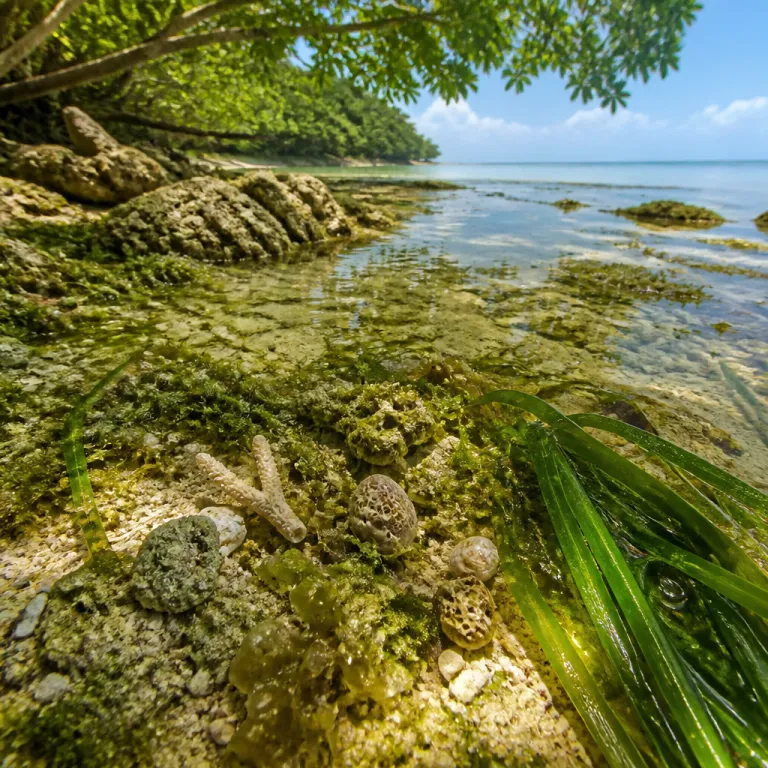
Why the best diving september shoulder season belongs on the reef
For experienced divers, the best diving september shoulder season is about timing, not luck. September sits in that quiet gap between the high season rush and the true low season, when the sea has settled, the water is still warm, and the marine life is feeding hard. If you can plan a dive trip now, you step into a window where operators have time to focus on you, not on managing crowds.
On the Great Barrier Reef off Cairns, average air temperatures hover around 28 °C while the water stays close to 25 °C, which makes long scuba diving sessions comfortable for families and new divers learning to manage buoyancy. Visibility often reaches about 25 meters, so every dive site feels larger, cleaner, and more cinematic than it does in the early june trade wind period. Local dive operators and liveaboard crews use this shoulder season to run slightly longer routes, adding secondary destinations that are skipped in the tight turnarounds of high season.
The official tourism narrative calls this a shoulder period, but underwater it behaves like a quiet peak season for marine life. Early september brings warming surface layers, mid month sees humpback whales moving along the reef, and late in the month the reef fish and reef sharks feed more aggressively on the building currents. Divers and snorkelers share the same calm sea, yet the low number of boats means you often have the best places on a reef wall or bommie almost to yourself.
Families planning premium marine travel notice the pricing shift first, because room rates and liveaboard cabins drop from high season levels while conditions remain close to their annual best. This low season pricing with peak style visibility is why the best diving september shoulder season has become a quiet secret among repeat guests who return to the same diving destinations every year. When you talk to Cairns based dive guides, they will tell you that september is the time when they can finally slow down, choose the right dive sites for the day’s conditions, and give each scuba student or experienced diver more attention.
Great Barrier Reef in september: conditions, marine life and family friendly logistics
On the Great Barrier Reef, september is defined by stable conditions and a sense of space that you rarely find in the high season. The sea is usually calm enough for longer boat dives, and liveaboard itineraries can push farther to outer reefs without racing the afternoon chop. For a premium family, that means less motion for children, easier entries, and more relaxed surface intervals between each dive.
Water temperatures around 25 °C allow you to dive in a 3 mm suit or even a shorty if you run warm, which keeps packing light for international travel. The combination of warm water and strong light penetration makes coral colors pop, and the marine life feels closer because you are not shivering or rushing each scuba dive. Local marine conservation groups report that this period often shows increased fish activity as plankton builds, which in turn attracts reef sharks and pelagic visitors.
Boat dives and snorkeling excursions from Cairns are less crowded in the best diving september shoulder season, so dive operators can match sites to your family’s experience level rather than to the lowest common denominator. If one parent wants a deeper scuba diving wall while the other prefers a shallow coral garden with the children, the crew can split groups and still keep ratios low. This is also an excellent time to learn diving, because instructors have more time per student and the calm sea reduces stress for first timers.
Before you book, follow three simple rules that matter in any serious diving season. First, secure your preferred liveaboard or reef day boat early, because the best places still fill even in low season pricing. Second, check that your dive certifications and medical forms are current, then read a detailed guide to choosing a reliable operator, such as this piece on how to select the right dive shop for a shore diving holiday, and apply the same logic to Cairns based centres.
Global reef circuits: from Komodo mantas to Fiji humpbacks in september
Once you understand why the Great Barrier Reef shines in september, it becomes easier to read other diving destinations through the same seasonal lens. Across the tropics, the best diving september shoulder season often aligns with warm water, lower tourist numbers, and marine life events that do not match the marketing calendar. The trick is to map each region’s high season and low season against what the animals are actually doing.
In Komodo, manta rays gather at cleaning stations as nutrient rich upwellings push through the straits, and september often brings a balance of clear water and strong plankton that keeps the manta population close. Liveaboard routes can linger at these dive sites because there are fewer boats waiting for their turn, which means more time watching each manta glide overhead instead of counting other groups. Families with older children who already scuba dive will appreciate that currents are still present but usually manageable with a good guide and a clear briefing.
Fiji offers a different kind of best diving, where humpback whales migrate through while the reef diving season is still in full swing. Operators in the outer islands sometimes combine reef dives with dedicated whale watching runs, giving you a realistic chance of hearing whale song on a safety stop. This is not a guarantee of in water encounters, but it is one of the few destinations september can offer where reef life and large marine mammals overlap so clearly.
Elsewhere, the Mediterranean reaches its warmest water around this time, and the crowds of june and july have thinned from Croatia to Malta and Greece. Wreck dive sites and limestone walls feel almost private, and the low angle autumn light gives a different character to each sea cliff. For a deeper look at how seasonal shifts shape a destination, read this refined guide to diving and snorkeling in Belize’s reef systems, then apply the same questions about visibility, currents, and access to your own september planning.
Beyond the Great Barrier Reef: how september shoulder season plays out worldwide
While this article focuses on the Great Barrier Reef, serious divers inevitably compare it with other diving destinations when planning the best diving september shoulder season. The Sea of Cortez, for example, enters one of its most dynamic periods, with warm water at the surface and cooler layers below that attract schooling fish and, in some regions, whale sharks. Liveaboard itineraries here often feel more exploratory in september, because there is room in the schedule to chase reports of bait balls or manta sightings.
In the Red Sea, the fierce summer heat begins to ease while the sea remains warm, and offshore routes to Daedalus and Elphinstone run with fewer guests than in peak months. That means more flexible dive planning, longer drifts along walls where oceanic sharks may appear, and quieter decks between dives. Families who value space as much as sightings will notice the difference immediately, especially when choosing cabins or planning surface time with children.
Indonesia’s Raja Ampat and North Sulawesi follow different seasonal rhythms, yet the same logic applies when you look at any destinations september calendar. Ask when the marine life peaks, when the wind drops, and when the boats are not full, then aim for that overlap rather than the advertised high season. Costa Rica’s Pacific coast, for instance, may offer dramatic encounters with schooling fish and sharks in periods that are technically described as low season, but which deliver exactly the kind of charged, nutrient rich sea that advanced divers seek.
Wherever you go, treat september as a strategic time rather than a consolation prize. Use it to book operators who care about eco friendly practices, as seen on the Great Barrier Reef where conservation groups work closely with dive crews to protect marine life. And if wrecks are part of your long term travel plans, study this in depth guide to Truk Lagoon’s ghost fleet to understand how season, visibility, and logistics intersect on more complex expeditions.
FAQ
Is September a good time to dive the Great Barrier Reef ?
Yes, September offers excellent diving conditions with warm water and good visibility. This period falls into the shoulder season, so you benefit from fewer boats on the reef while still enjoying stable weather and comfortable sea states. For many repeat guests and local guides, it is the most balanced month of the diving season.
What marine life can be seen in September on the reef ?
Divers can encounter humpback whales, various fish species, and vibrant corals. On typical reef sites you will also see reef sharks, turtles, and dense schools of fusiliers and snappers feeding in the current. The combination of strong light and clear water makes these marine life encounters feel especially vivid for underwater photographers.
Are there fewer crowds in September compared with peak months ?
Yes, September is a shoulder season with fewer tourists compared to peak months. That translates into more relaxed boats, quieter dive sites, and more flexible itineraries for both day trips and liveaboard cruises. Families often find this timing easier with children, because staff can offer more personal attention and adjust plans around comfort levels.
How should families prepare for a September reef diving trip ?
Book accommodations and preferred boats in advance, even in shoulder season, because the best operators still fill. Check weather forecasts in the week before departure, and ensure all dive certifications and medical forms are current for every family member who plans to scuba dive. It is also wise to speak directly with the dive centre about conditions, recommended exposure protection, and any special needs for younger or less experienced divers.
Is September suitable for learning to dive on the Great Barrier Reef ?
September is an excellent time to learn diving on the Great Barrier Reef, because sea conditions are usually calm and visibility is high. With fewer students than in the high season, instructors can spend more time on skills and comfort, which is especially valuable for teenagers or anxious beginners. Warm water also helps new divers relax, extending bottom time and building confidence more quickly.