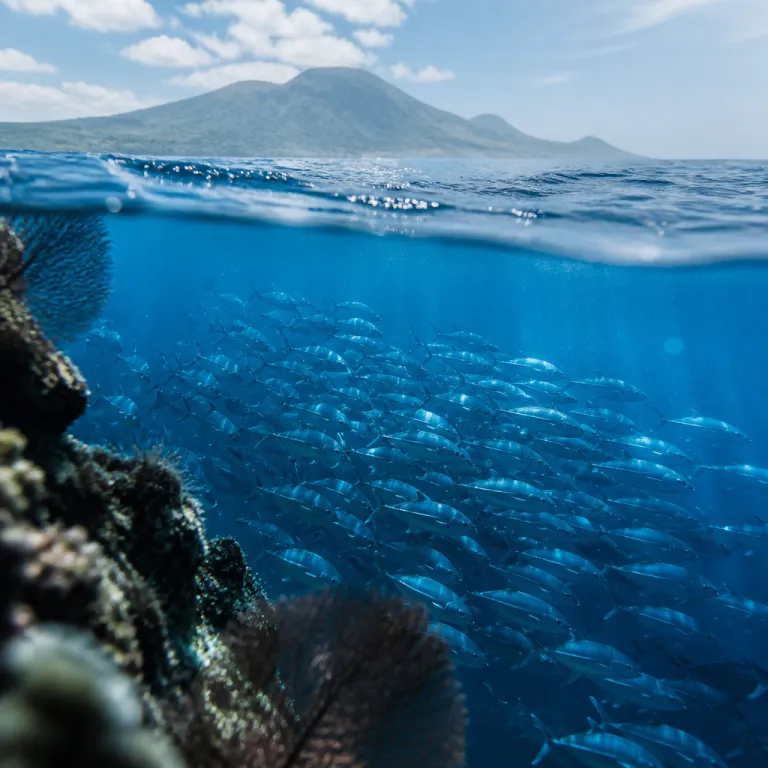
Alor Indonesia diving pelagics: why this archipelago feels different
Alor sits beyond Bali and even Komodo on the map, and the alor archipelago feels like the edge of Indonesia’s diving frontier. The islands rise steeply from the Banda Sea, and the pantar strait funnels powerful currents that shape every dive, every reef, and every encounter with pelagic marine life. For divers used to easy tropical dives, this is a deliberate step into wilder water and more demanding dive sites.
Here, alor indonesia diving pelagics means planning your dives around tides, moon phases, and how the currents wrap around each island. The same pantar strait that brings cold upwelling also carries sharks, mola sunfish, and schooling fish across the reef, so timing matters more than in many parts of Indonesia. Local operators such as Alor Divers and La P’tite Kepa have built their reputations on reading these patterns and matching each dive site to the right day and the right divers.
The reefs themselves feel raw and unscripted, with coral slopes dropping into deep blue water and reef sharks patrolling the edges. You might spend one dive drifting past walls of soft coral and clouds of anthias, then the next dive hanging in the blue watching for thresher sharks or other pelagics. This is not a place where a resort pool or a polished spa defines the trip, because alor diving is measured in the quality of the dives and the precision of the guiding.
Recorded fish diversity here is exceptional, with hundreds of species documented inside the protected waters of the alor archipelago. That biodiversity underpins the appeal of alor indonesia diving pelagics, because every dive site can deliver a different mix of reef fish, macro subjects, and open water visitors. When you add visibility that can reach 40 meters and average water temperatures around 28 °C, the stage is set for some of Indonesia’s most rewarding scuba diving.
Currents, seasons and pelagic chances in Alor’s wild east
The rhythm of alor indonesia diving pelagics is seasonal, and understanding that rhythm is essential before you book flights. Dry season months usually bring more stable weather, cooler water, and stronger currents in the pantar strait, which is exactly when many divers hope to see sharks, mola, and other pelagic marine life. Instead of trusting a fixed calendar, speak directly with an alor dive operator about the specific weeks when your target species are most likely.
Operators in Alor are candid that “What is the best time to dive in Alor? May to October during the dry season.” Yet even within that window, the exact timing of dives at each dive site depends on tides, wind, and how the currents are running on a given day. When you plan a trip focused on alor indonesia diving pelagics, ask how they schedule dives at exposed sites versus more sheltered bays, and how often they adjust plans when the water shifts.
Pelagic encounters here are rarely casual, because divers often wait in the blue where the current hits a point of the reef. On some dives you might hook into a rocky ledge while reef sharks and schooling fish cruise past, while on others you hover mid water hoping a mola or passing cetaceans cross your field of view. The best operators brief these dives in detail, from expected water temperature changes to where to position yourself relative to the reef.
Between these high energy dives, many itineraries balance the day with calmer macro sessions in places like kalabahi bay. This is where muck diving comes into its own, with black sand slopes, ghost pipefish, and other macro subjects that reward slow, careful diving. If you are researching other tropical reef destinations for comparison, it is worth reading a guide to the best places to scuba dive in the Philippines, then asking yourself whether you are ready for Alor’s colder water and stronger currents.
Who Alor is really for: skills, experience and the right mindset
Alor rewards divers who already feel comfortable in current, and who treat each dive as a technical exercise rather than a casual swim. Most serious dive resorts here expect guests to arrive with solid buoyancy, recent dives logged, and at least an Advanced Open Water or equivalent certification before attempting the more exposed dive sites. If you are still building confidence, you can focus first on sheltered reefs and muck diving in bays before stepping into the full force of the pantar strait.
On a typical day, you might start with a drift along a sloping reef where the current brings sharks and schooling fish, then finish with a slow macro dive over black sand searching for ghost pipefish and other critters. That mix of adrenaline and detail is what defines diving alor, because the same trip can include both high speed pelagic dives and meticulous muck diving sessions. Guides from operators such as Alor Divers and La P’tite Kepa often carry dive computers and use advanced planning software to match each dive site to the right tide and current strength.
For many divers, Alor fits naturally into a longer Indonesia itinerary that might also include komodo or a banda sea liveaboard. If you are already considering a voyage in that region, read a detailed review of why a Banda Sea liveaboard belongs on every serious diver’s wish list, then map out how Alor could slot into the same trip. Compared with komodo or raja ampat, the alor archipelago feels more remote and less developed, which is exactly what appeals to divers who value empty dive sites and unhurried schedules.
Alor is not ideal for your very first scuba diving holiday, because the currents and logistics can overwhelm beginners. It is far better as a next step after you have already dived easier reefs, perhaps in Bali or other parts of Indonesia, and now want a destination where alor indonesia diving pelagics can genuinely challenge your skills. If that description fits you, the island group becomes less an intimidating frontier and more a natural progression in your diving life.
From pelagics to black sand: Alor’s reefs, muck and signature sites
The underwater geography of the alor archipelago is varied enough that you could spend weeks here without repeating the same type of dive. Exposed dive sites along the pantar strait feature steep walls, coral gardens, and channels where currents accelerate, bringing sharks, schooling fish, and sometimes thresher sharks into view. In contrast, sheltered bays such as kalabahi bay offer world class muck diving over black sand, with macro marine life that rivals better known Indonesian hotspots.
On the reefs, hard coral and soft coral compete for space, creating dense structures that shelter reef fish and invertebrates. You might glide past a house reef in front of a dive resort and see reef sharks patrolling the drop off, then move to a different dive site where the focus shifts to nudibranchs, shrimp, and other macro subjects. The combination of clear water, strong currents, and healthy coral growth makes alor indonesia diving pelagics feel both dramatic and intimate on the same day.
Muck diving here is not an afterthought, because kalabahi bay and other sheltered sites hold a surprising density of critters. Black sand slopes hide ghost pipefish, frogfish, and rare cephalopods, while discarded debris becomes habitat for shrimps and other macro life that macro photographers love. Many divers plan their dives so that high energy pelagic dives happen when the currents are strongest, then schedule muck dives for slack water when careful searching is easier.
If you enjoy pairing strong current pelagic dives with more contemplative macro sessions, Alor aligns well with other advanced destinations in Indonesia. Some divers compare their alor diving notes with experiences in raja ampat or the Banda Sea, weighing which region delivered the most memorable mix of reef, muck, and big animal encounters. For many, the answer is that alor indonesia diving pelagics stands apart because the dive sites feel less crowded, the marine life less habituated, and the daily rhythm more dictated by the sea than by any timetable.
Getting to Alor, staying there and diving responsibly
Reaching Alor requires more effort than flying into Bali or komodo, and that extra step filters the crowd to divers who genuinely want to be here. Most itineraries route through Kupang in East Nusa Tenggara, then continue by domestic flight to the main island and onward by road or boat to your chosen dive resort. Once you arrive, the focus shifts quickly from logistics to planning dives that match your experience with the conditions on each dive site.
Accommodation options cluster around a few established properties such as La P’tite Kepa and Alor Divers, which combine simple rooms with serious dive operations. You will not find a long strip of large resort complexes, because the local economy still revolves around small scale fishing and a growing but careful form of eco tourism. That intimacy means you share boats with a relatively small group of divers, and your guides quickly learn your preferences for pelagic dives, muck diving, or long slow reef explorations.
Responsible alor indonesia diving pelagics starts with respecting the currents and the animals that ride them. Guides will brief you clearly on when to stay close to the reef, when to maintain extra distance from sharks, and why chasing mola or other pelagics across open water is both unsafe and unethical. Simple habits such as using reef safe sunscreen, keeping your fins off the coral, and following local customs on land all contribute to the long term health of the alor archipelago.
As interest in muck diving and pelagic encounters grows, Alor’s role in Indonesian marine conservation becomes more visible. Local partners work with marine biologists to document fish species and monitor reef health, while dive operators promote sustainable practices that protect both macro life and larger predators. If you are drawn to other current swept destinations, you might also enjoy reading about a culinary and hammerhead focused dive trip in Japan’s Izu Peninsula, then using that as a reference point for how Alor balances culture, remoteness, and serious diving.
FAQ
What is the best time to focus on pelagics in Alor?
Dry season months generally offer the best combination of stable weather, cooler water, and stronger currents for alor indonesia diving pelagics. Those conditions in the pantar strait increase your chances of seeing sharks, mola, and other pelagic marine life along exposed reefs. Always confirm the precise timing with your chosen alor dive operator, because local wind and tide patterns can shift from one season to the next.
Are there strong currents in Alor’s main dive areas?
Yes, strong currents are a defining feature of many dive sites in the alor archipelago, especially in the pantar strait where the Banda Sea funnels water between islands. These currents can create exhilarating drift dives with schooling fish and reef sharks, but they also demand solid buoyancy and situational awareness. If you are new to current, start with more sheltered reefs or muck diving in bays such as kalabahi bay before attempting the most exposed dives.
What marine life can I expect beyond pelagics?
Alor offers a broad spectrum of marine life, from reef sharks and occasional thresher sharks to dense schools of reef fish and intricate macro subjects. On the reefs you will see healthy coral gardens, while in muck diving areas you can search for ghost pipefish, frogfish, and unusual crustaceans on black sand slopes. This mix of pelagic encounters, reef scenery, and macro life is what makes alor indonesia diving pelagics so compelling for repeat visitors.
Is Alor suitable for beginner divers?
Alor is better suited to intermediate and advanced divers who already have experience with currents and comfortable buoyancy control. While some sheltered dive sites and house reef areas can work for newer divers, the signature pelagic dives in the pantar strait are not ideal for a first scuba diving trip. If you are still gaining experience, consider building your skills on easier tropical reefs elsewhere in Indonesia before planning a dedicated alor diving itinerary.
How does Alor compare with Komodo and Raja Ampat?
Compared with komodo and raja ampat, Alor feels more remote, less developed, and more focused on small scale dive resort operations. You will find fewer boats on the same dive site, a stronger emphasis on reading local currents, and a distinctive blend of pelagic dives and high quality muck diving. Many experienced divers choose to visit all three regions over several trips, then decide which mix of reef, macro, and big animal encounters best matches their personal style.