Breaking news off Mazara del Vallo: a roman vessel beyond recreational reach
An ancient roman shipwreck loaded with wine amphorae has been documented off the coast of Mazara del Vallo in southwest Sicily, and the headlines have already reshaped how divers talk about Mediterranean wrecks. The newly reported site lies around 46 metres down on the shipwreck coast near Mazara del Vallo, where italian free divers and the Sicilian Superintendency of the Sea have confirmed a compact vessel carrying hundreds of Dressel 1A amphorae that date back more than 2 000 years ago to the roman era. For anyone planning sicily roman shipwreck diving, the first reality check is simple and non negotiable ; this particular wreck is a protected underwater archaeological site, not a tourist dive.
The italian ministry responsible for culture has framed the find as a milestone in national cultural heritage, and the ministry culture leadership has been unusually direct about its importance for both archaeology and public engagement. Italy’s culture minister has already called it one of the most important underwater archaeological discoveries of recent years, while senior figures such as Alessandro Giuli have used national media and international news outlets to underline how the hundreds of amphorae illuminate ancient roman trade between the coast of Sicily and North Africa. Coverage by Nexstar Media and other global media networks has amplified the story far beyond the italian press, turning a specialist excavation into a mainstream news moment that now shapes how divers imagine the coast Sicily as a wreck diving destination.
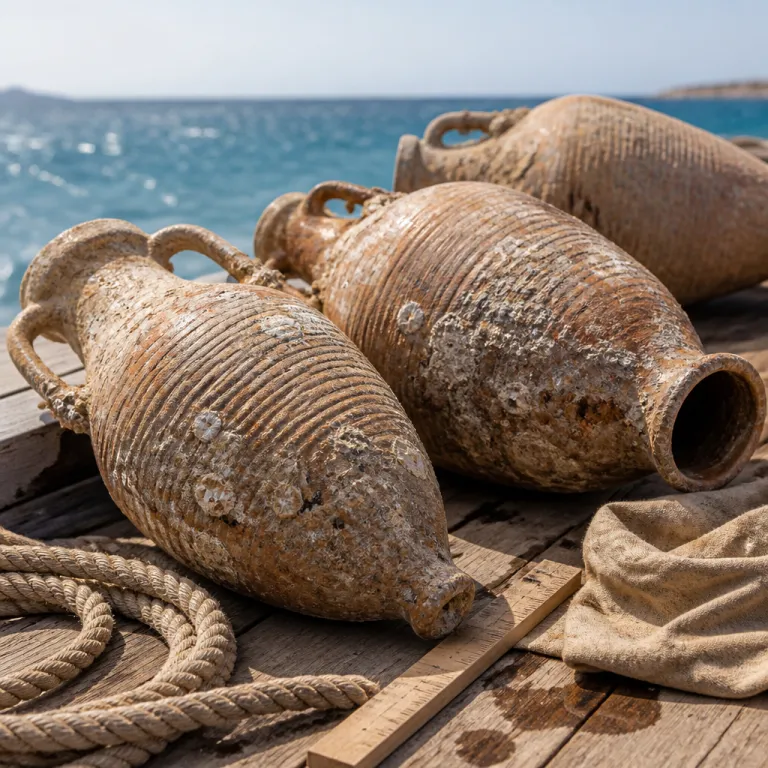
On the seabed, the wreck presents a dense cargo mound of hundreds amphorae, a partially buried hull and at least one lead anchor with surviving anchor stocks that speak quietly but clearly of a working roman vessel rather than a ceremonial ship. Archaeologists from the Sicilian Superintendency of the Sea, supported by ARPA Sicilia, have combined free diver video with ROV passes to map the site and stabilise exposed timbers, and their work sits alongside another deeper roman shipwreck off Palermo at around 92 metres that has been studied for years. For divers, the message is nuanced ; sicily roman shipwreck diving now means understanding that some of the most photogenic amphorae fields and ancient roman hulls lie beyond recreational limits and are legally off limits, yet they still shape how we read every accessible wreck along this coast.
From protected sites to diveable history: how Sicily frames wreck etiquette
While the Mazara del Vallo vessel sits under strict protection, the wider coast Sicily offers a spectrum of wrecks where trained divers can experience history without compromising cultural heritage. Around Palermo and Isola delle Femmine, for example, local operators run guided dives to more recent wrecks where marine life now softens steel and concrete, and these trips often include briefings on nearby underwater archaeological projects led by the Sicilian Superintendency of the Sea and ARPA Sicilia. The same authorities that manage the deep ancient roman sites also encourage responsible tourism, reminding divers that the correct response to spotting amphorae fragments or a lead anchor on a recreational dive is to mark the position, photograph the find and report it, not to lift a souvenir.
That ethic is now central to any serious approach to sicily roman shipwreck diving, because the line between a modern wreck and an ancient site can blur quickly when storms move sand or trawlers drag gear across the seabed. In practice, it means that divers exploring the shipwreck coast near Mazara del Vallo, Trapani or Palermo are briefed to treat every unexpected amphorae shard, every eroded anchor stocks cluster and every timber that looks older than a few decades as potential evidence of a roman era vessel. The same logic applies across the Mediterranean amphorae belt, from Sicily to southern Italy and on to Greece, where underwater archaeological teams rely on citizen reports from divers and fishers to trigger new surveys and where each of these discoveries years after the sinking still begins with a single careful sighting.
For couples planning a marine travel itinerary that mixes wrecks, culture and surface time, Palermo’s archaeological museums and coastal towns such as Mazara del Vallo offer context that no dive briefing can match, especially when curators explain how hundreds of amphorae once moved wine, oil and grain along these routes. Shore excursions to see stone anchors, early lead anchor designs and other artefacts in situ or in galleries pair naturally with reading about ancient maritime technology in specialist features on stone anchors and underwater exploration, such as this deep dive into ancient stone anchors and underwater exploration. As one official FAQ from the Sicilian Superintendency of the Sea puts it with stark clarity, “What was found in the Sicilian shipwreck? A Roman ship carrying numerous wine amphorae. How deep is the shipwreck off Sicily's coast? Approximately 92 meters underwater. Why is the Sicilian shipwreck significant? It provides insights into ancient Roman trade routes.”
What this roman wreck means for Mediterranean dive travellers now
For wreck focused couples used to warm water liveaboards, the Mazara del Vallo news is a reminder that the Mediterranean remains one of the world’s densest archives of submerged history, even if not every roman shipwreck becomes a dive site. The amphorae at 46 metres off the coast Sicily sit just beyond the comfort zone of most recreational divers, and technical training plus permits would still not override the legal protections that shield this particular wreck from tourism. Yet the story still matters for anyone planning sicily roman shipwreck diving, because it reframes the region as a continuum where modern steel wrecks, ancient roman cargo vessels and underwater archaeological parks all coexist within a day’s boat ride.
Citizen reporting has been central to this shift, with free divers such as Giacomo Mola and spearfishers along the shipwreck coast repeatedly stumbling across amphorae clusters, lead anchor fragments or eroded hulls that turn out to be roman era vessels. Their footage often reaches local media first, then national outlets and finally international platforms such as Nexstar Media, where the narrative can drift towards sensational advertisement style headlines unless balanced by voices from the italian ministry and the ministry culture. For serious divers, the more useful takeaway is that similar processes operate worldwide, whether off Sicily, in the Aegean or along the wreck strewn approaches to Charleston, where our guide to Charleston scuba wreck adventures shows how coastal communities integrate heritage, fishing and offshore graveyards into a single managed seascape.
Looking ahead, the Mazara del Vallo vessel and the deeper Palermo wreck at 92 metres underline how many discoveries years after the original sinking still await below the recreational limit, while more accessible wrecks continue to evolve as marine life habitats. For couples mapping a broader Mediterranean itinerary, that might mean pairing a week of sicily roman shipwreck diving and surface culture with a more current driven pelagic leg in places like Indonesia’s Alor, where our feature on when the current turns in Alor explores how different a wild east reef feels compared with an ancient cargo mound. The common thread is respect ; whether you are finning past hundreds amphorae on a protected roman shipwreck or hovering over a modern wreck colonised by soft corals, the role of divers is to act as stewards, not collectors, and to treat every site as part of a living, shared cultural heritage that extends far beyond a single season’s logbook.