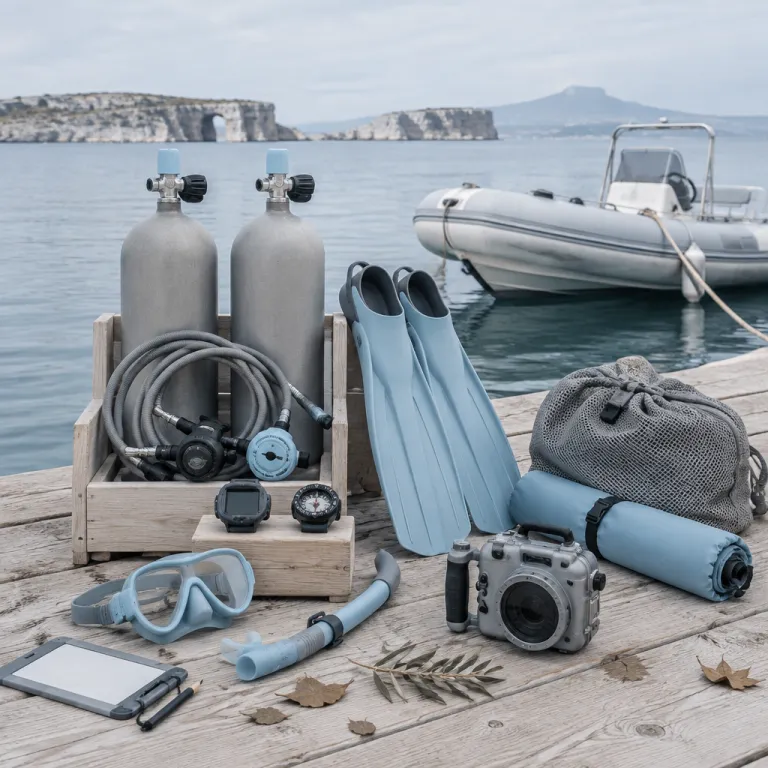
Why autumn Mediterranean diving is the quiet season sweet spot
By the time leaves turn at home, the Mediterranean Sea is still holding summer heat. Sea water cools more slowly than air, so it releases warmth gradually and keeps temperatures comfortable long after the first cold fronts arrive. That thermal lag makes an October or early November dive holiday in the region one of the best times to plan a family trip when you want quieter harbors, softer light and fewer fins on your chosen dive sites.
On Malta and Gozo, the water temperature in early autumn often sits around 24–26°C (75–79°F) in September and 22–24°C (72–75°F) in October, while the air feels pleasantly mild rather than harshly hot. Those conditions mean a 5 mm suit is usually enough for most divers, though a hooded vest helps if you tend to feel cold during a long dive. For experienced divers who stay down longer or log multiple dives per day, a semi-dry suit can stretch comfort well into late autumn and even early winter, when sea temperatures typically drop toward 18–20°C (64–68°F).
The seasonal logic is clear for anyone comparing spring, summer and fall conditions. In April and May the water is still shaking off winter, so sea temperature lags behind the air in the opposite direction and can feel surprisingly cold despite sunny days. By contrast, late summer and early autumn bring some of the best visibility of the year, often in the 20–30 m (65–100 ft) range, because the high-season plankton bloom has eased and the sea is calmer. That clarity suits both open water students and experienced divers chasing diverse marine life.
Families weighing the best time for a Mediterranean dive holiday should look closely at October. High-season crowds have thinned, yet ferries, flights and coastal infrastructure still run on generous schedules that keep logistics easy. That combination of softer prices, better underwater conditions and more relaxed timing makes a fall dive break in the central Med a smart choice for both couples and parents traveling with junior scuba enthusiasts.
Malta and Gozo: wrecks, caverns and clear water into November
Malta and Gozo sit at a crossroads of history and marine geography, which is why their underwater landscape feels so layered. Around this compact island nation, divers find a tight cluster of wrecks, caverns and reefs that stay accessible well into autumn, when the sea is calmer and the light is lower but still generous. For many, this is the best time to experience the islands, because shoulder-season diving here combines warm water with quieter quaysides and easier parking at popular shore entry points.
On Gozo, the famed Blue Hole and nearby caverns show their character when the summer rush fades and the sea settles. The Blue Hole itself drops to around 15 m (50 ft) before opening onto a wall that continues well beyond recreational depths, so proper buoyancy and gas planning are essential. The best visibility often arrives in late summer and early autumn, when suspended particles drop and the underwater limestone formations appear almost architectural in the clear blue water. For beginners in open water training, this season offers forgiving conditions, while experienced divers can extend depth and time without the surface bustle of high season.
Across Malta and Comino, wrecks such as the P29 (max depth around 34 m / 112 ft) and Rozi (resting near 35 m / 115 ft) become more atmospheric in autumn light. The water temperatures usually remain comfortable enough for a standard full suit, though a thin hood or shorty layered underneath helps during longer profiles. Many local operators quietly agree that spring and autumn shoulder periods are the best times for relaxed wreck exploration, because boat traffic is lighter and the sea state is more predictable.
Families will appreciate that Malta’s compact size keeps every location within easy reach, reducing transfer time between hotel and dive centre. When you are not in the water, the islands offer enough history and food culture to keep non-divers and children engaged without the crush of summer tour groups. If you are already thinking beyond the Med, this is also a good moment to research more remote marine adventures such as Arabian Sea diving at the Daymaniyat Islands, which we cover in detail in our guide to diving off the package tourism radar in Oman.
Gozo’s marine reserves and the quiet magic of shoulder season
Gozo rewards divers who care more about marine life and underwater topography than about pool bars. Around the island, a network of protected areas and informal marine reserves shelters diverse marine communities, from octopus and barracuda to nudibranchs and the occasional mola mola passing in deeper water. In the fall diving season, these sites feel calmer, giving you more time to watch subtle behavior rather than simply ticking species off a slate.
Shore-accessible dive sites such as Xlendi, Mgarr ix-Xini and the reefs near Hondoq offer gentle entries that suit both beginners and mixed-experience family groups. Xlendi Bay, for example, starts shallow with easy 5–10 m (15–30 ft) depths before stepping down, while Mgarr ix-Xini offers sheltered walls and small caverns with typically mild currents. In autumn the conditions are often forgiving, with stable water temperatures that make a standard 5 mm suit comfortable for most profiles. For those planning longer or deeper routes, especially photographers who linger, a semi-dry suit or even a light dry suit can extend your comfort into late autumn and early winter.
Experienced divers often time their Gozo trips for this shoulder period, when the high season has passed but operators still run boats regularly. The best visibility typically arrives now, and the sea feels less crowded, which is especially valuable at narrow entry points or small caverns. If you are planning a year-round diving strategy for your family, Gozo in autumn pairs well with a later warm-water escape to places like La Paz, where our review of marine reserve luxury in Baja California Sur shows how a property can sit directly inside a protected marine location.
There is also a sustainability argument for choosing spring and autumn windows in Gozo. Spreading visitation beyond summer eases pressure on fragile marine habitats and coastal villages that strain under peak traffic. For families raising the next generation of divers, traveling in these quieter months sends a clear message that the best times underwater are not always the most obvious ones on the calendar.
Dahab and the Egyptian Red Sea: warm fallback when the Med cools
By late autumn, parts of the Mediterranean start to feel brisk, and some divers look south. Dahab, on Egypt’s Sinai coast, offers a compelling warm-water fallback, with Red Sea marine life, reliable sun and a laid-back town that still feels built around diving rather than mass tourism. For families and couples who have tasted October diving in Malta or Gozo, Dahab can be the next logical step when you want similar shoulder-season calm with higher water temperatures.
The Red Sea’s conditions in autumn are famously stable, with clear water, gentle currents and sea temperatures that often sit several degrees above the Mediterranean. Around Dahab, you can expect roughly 26–28°C (79–82°F) in October and only a slight drop into November, which means a standard full suit remains comfortable even for long profiles. Only the most cold-sensitive divers consider a thicker suit or light hood. For experienced divers, this season brings some of the best visibility of the year, while beginners in open water courses benefit from calm seas and predictable surface conditions.
Dahab’s dive sites range from the easy Lighthouse and Eel Garden to the more demanding Blue Hole and Canyon, which require proper training and conservative planning. The Blue Hole’s outer wall and famous saddle sit beyond 30 m (100 ft), and the arch itself is a technical dive with a history of accidents, so recreational divers should stay within agency limits and follow local briefings closely. Families can structure days so that newer divers enjoy shallow reefs in the morning, while more advanced members tackle deeper walls or technical routes later, always within safe limits.
Choosing Dahab or the Egyptian Red Sea in autumn also spreads your diving year round, balancing cooler Mediterranean trips with reliably warm-water escapes. This pattern keeps skills fresh without forcing you into the crush of summer high season in either region. For many premium families, that mix of value, calmer logistics and consistently rich marine life becomes the template for planning every future dive year.
Practical planning: suits, seasons and responsible timing
Packing for an October or November dive trip in the Mediterranean starts with an honest assessment of your cold tolerance. In early autumn around Malta and Gozo, most divers are comfortable in a 5 mm full suit with optional hooded vest, especially when water temperatures hover in the low twenties Celsius. As the season edges toward winter, those who feel the cold or plan long profiles should consider stepping up to a 7 mm or semi-dry suit, while only the most temperature-sensitive will need a full dry suit.
Layering is your friend in shoulder seasons, because conditions can shift quickly with wind and weather. Bringing a thin neoprene vest, gloves and a hood gives you options as water temperatures slide downward week by week, without forcing you into a single heavy configuration. For families, having a mix of suits in the group also allows you to adjust daily plans, sending the warmest children or newer divers to shallower, sunnier sites when the sea feels cooler.
Timing your trips across spring, summer, autumn and even winter can turn the wider region into a year-round classroom. Many divers treat the shoulder months as the best times for skills training and relaxed exploration, reserving peak summer for shorter, warmer trips when the sea is busy. If you are based in northern Europe or North America, pairing an October Mediterranean break with a later Red Sea or tropical escape keeps your open water skills sharp without overloading any single high season.
There is also a broader responsibility in how we choose our travel time and location. By shifting some trips away from the absolute high season, divers help ease pressure on coastal infrastructure, reduce crowding at fragile marine locations and support operators through the full year rather than only in summer. Over time, that pattern protects the very underwater experiences that make autumn diving, from Malta and Gozo to Dahab and beyond, feel like such a quietly luxurious way to follow the turning of the leaves.
FAQ: planning an autumn Mediterranean diving trip
What is the best time in autumn for Malta and Gozo diving ?
The best time in autumn for Malta and Gozo usually runs from late September through October, when water temperatures are still in the low to mid twenties Celsius and visibility is often 20–30 m (65–100 ft). By November, the water becomes cooler but remains manageable with a thicker suit or layered neoprene for most experienced divers. Families who prefer milder air temperatures and quieter streets often find mid-October the ideal balance.
Do I need a dry suit for autumn Mediterranean diving ?
Most divers do not need a dry suit for early autumn Mediterranean diving in Malta or Gozo, because a 5 mm or 7 mm wetsuit with hood and gloves is usually sufficient. A dry suit becomes more relevant in late autumn or early winter, especially for those who feel the cold or plan long repetitive dives. If you are not already dry suit certified, it is better to focus on proper wetsuit layering rather than rushing into new equipment.
Is autumn a good season for beginner divers in the Mediterranean ?
Autumn is often an excellent season for beginners in the Mediterranean, because the sea is calmer, boat traffic is lighter and dive centres have more time for personalised instruction. Water temperatures remain comfortable in early autumn, which helps new divers focus on skills rather than on feeling cold. Locations like Malta and Gozo offer sheltered bays and easy shore entries that suit first open water experiences.
How does Dahab compare with Malta and Gozo in autumn ?
Dahab generally offers warmer water and slightly more predictable sunshine than Malta and Gozo in late autumn, thanks to its Red Sea location. The trade-off is a longer flight for many travellers and a different cultural context, which some families find enriching and others find more demanding. Many divers pair an October Mediterranean holiday in Malta or Gozo with a later Dahab trip to balance cooler European waters with a warm-water escape.
Can I plan a year round dive calendar around autumn trips ?
Yes, many divers build a year-round calendar by anchoring trips in the spring and autumn shoulder seasons. An autumn Mediterranean diving holiday in Malta or Gozo can be paired with a late winter or early spring escape to warmer seas such as the Red Sea or the Arabian Sea. This pattern keeps skills fresh, avoids the most crowded high-season weeks and spreads your impact more evenly across fragile coastal destinations.