Why a reef is worth more alive than on a plate
Stand at the edge of any healthy reef and you feel the numbers before you ever see them. A single shark, turtle or manta ray can generate hundreds of thousands of dollars in dive tourism ocean conservation economy over its lifetime, while its value as a one time catch is gone in a single meal. That simple economic reality is quietly reshaping how coastal governments, local communities and the global diving sector think about the ocean economy.
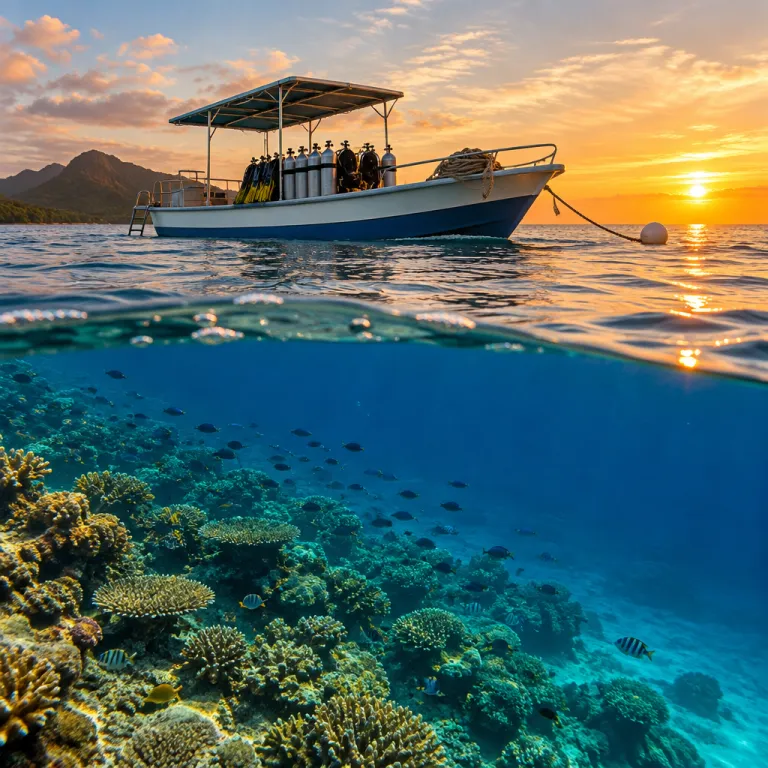
In many marine destinations, scuba diving has become the most visible bridge between tourism and conservation, turning marine ecosystems into long term economic activities rather than short term extraction. When divers pay marine park fees, hire local dive operators and choose sustainable tourism experiences, they help shift the local economy away from overfishing and towards a blue economy that rewards protection. The economic impact is not abstract ; it shows up in ranger salaries, fuel for patrol boats, mooring buoys that protect coral, and scholarships for young guides who might otherwise enter the fishing industry.
This is where the diving industry becomes more than a leisure sector and starts to function as a form of marine ecotourism with teeth. Well run scuba diving operations can anchor sustainable development by proving that a live reef, with its sharks and schooling fish, is a more reliable source of economic growth than a depleted one. On World Tourism Day, the most honest celebration of tourism is not a marketing campaign but a clear look at how diving tourism can keep the ocean’s balance sheet in the black.
How marine reserves turn divers into conservation investors
Fly into a small island airport in the Coral Triangle or the Red Sea and you can often trace the line from runway to reef. The presence of a marine protected area usually signals that dive tourism, ocean conservation and the local economy have learned to coexist, even if imperfectly. In these places, diving is not just one of many tourism activities ; it is the backbone of a blue tourism model that funds marine conservation directly.
Take community managed marine reserves in places like Raja Ampat, the Daymaniyat Islands or parts of the Caribbean, where local communities have negotiated no take zones in exchange for a share of diving fees. Here, scuba diving and snorkeling are the primary economic activities, and the economic impact of each visiting diver is tracked carefully by village cooperatives and park authorities. When you book a trip with embedded dive operators, such as those working around Oman’s Daymaniyat Islands in this Arabian Sea diving guide, you are effectively buying a small stake in sustainable development.
In these marine tourism laboratories, the diving sector has become a proving ground for sustainable tourism and the wider blue economy. Park rangers, boat captains and guides are often former fishers who now earn more by protecting the reef than by exploiting it, which is the purest expression of a conservation led ocean economy. For the travelling diver, that means every descent is both a marine ecotourism experience and a quiet vote for a different kind of economic development.
The uncomfortable truths: leakage, limits and greenwashing
For all its promise, dive tourism does not automatically equal ocean conservation or a fair economy. In many destinations, the diving industry is dominated by foreign owned operators, and a large share of the economic benefits leaks offshore instead of circulating through local communities. That leakage weakens the argument that diving tourism is a pillar of sustainable development, especially when local workers are confined to low wage roles while profits leave the island.
There is also the question of carrying capacity, which every serious marine protected area must face as diver numbers grow. Too many divers on a single reef can damage coral, stress marine ecosystems and undermine the very conservation goals that the blue economy narrative celebrates. Climate change compounds this pressure, as warming seas and bleaching events reduce the resilience of reefs that are already under strain from tourism activities and coastal development.
Policy makers and scientists are increasingly clear that the diving sector must be managed with hard limits, not just soft pledges, if it is to remain a credible part of the dive tourism ocean conservation economy. The emerging High Seas Treaty, explored in depth in this analysis of what the new legal shield means for divers, is one sign that the global tourism industry is entering a more regulated era offshore as well. For travellers, the task is to distinguish between genuine marine conservation efforts and blue tourism marketing that uses sustainable language while leaving the underlying economic model untouched.
How to make your next dive trip count for the ocean
World Tourism Day is a useful moment to audit how your own diving habits intersect with the ocean economy. Start by choosing destinations where marine conservation is written into the rules, not just the brochure, and where marine protected areas have clear management plans and transparent fee structures. Ask operators how park fees are used, how many divers they take per guide and what role local communities play in decision making about the reef.
Look for dive operators that hire and train local staff into leadership roles, not just entry level positions, and that support alternative livelihoods for nearby villages through scholarships or reef friendly economic activities. When you pay for scuba diving, night dives or private guiding, you are shaping the local tourism sector by signalling which services deserve a premium in the wider economy. Tipping fairly, buying from local businesses and staying long enough to spread your spending beyond the dock all increase the positive economic impact of your trip.
Finally, consider divers as part of a global blue economy network that can advocate for marine ecosystems under pressure from climate change and coastal development. Read up on how kelp forests, seagrass meadows and coral reefs function as carbon stores and storm buffers, then choose itineraries that support marine ecotourism projects protecting those habitats, such as the cold water forests explored in this feature on Alaska’s underwater kelp canopy. When enough travellers treat dive tourism as a form of stewardship rather than consumption, the diving industry becomes one of the strongest economic arguments for keeping the ocean wild, complex and very much alive.
FAQ
How does dive tourism support marine conservation in practice ?
Dive tourism supports marine conservation when park fees, operator levies and voluntary donations are channelled directly into managing marine protected areas. That funding pays for rangers, patrol boats, mooring buoys and scientific monitoring that keep marine ecosystems healthier over time. The key is transparency, so travellers should ask operators and park offices exactly how their money is used.
What should I look for in a sustainable dive operator ?
A sustainable dive operator limits group sizes, trains guides in low impact techniques and follows strict codes for interacting with marine life. Strong operators also employ and promote local staff, publish clear environmental policies and participate in reef monitoring or citizen science programmes. If an operator cannot explain their conservation practices in detail, they are unlikely to be leading the local diving sector towards sustainable tourism.
Can diving contribute to climate change solutions ?
Diving itself has a carbon footprint through flights and boat fuel, but it can still contribute to climate change solutions when trips fund protection of blue carbon habitats such as mangroves, seagrass and kelp. Divers often become vocal advocates for marine conservation after witnessing bleaching, storm damage or shifting species underwater. Choosing longer, less frequent trips with reputable operators and offsetting emissions through credible schemes can align dive travel with broader climate goals.
Are marine protected areas always better for local communities ?
Marine protected areas benefit local communities when they are designed with genuine consultation, fair access to tourism jobs and a clear share of revenues. Poorly planned reserves can displace traditional fishers without offering viable alternatives, which undermines both conservation and social stability. Travellers can help by favouring destinations where community co management is visible and by supporting initiatives that invest in education and alternative livelihoods.
How can I measure the real economic impact of my dive trip ?
The real economic impact of a dive trip can be gauged by how much of your spending reaches local businesses and conservation programmes. Booking locally owned accommodation, hiring local guides and buying services beyond the dive centre all increase the share that stays in the island economy. Asking operators about wages, training and community projects offers further insight into whether your trip supports sustainable development or mainly fuels external profits.