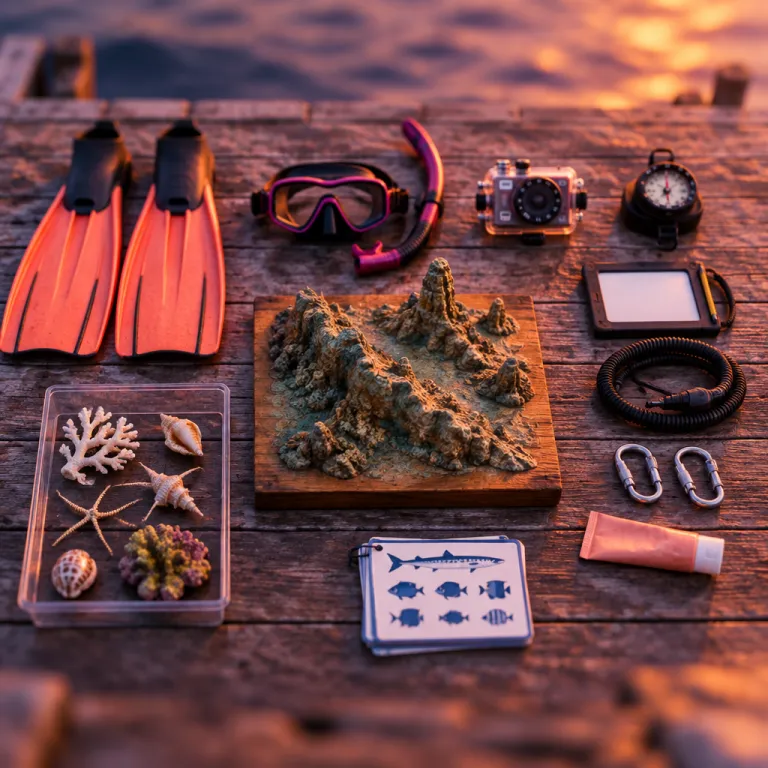
Understanding the barracuda reef dive site and its setting
A typical barracuda reef dive site lies in a classic tropical reef corridor where clear water, steady current, and a defined reef wall shape the marine life. This kind of coral reef attracts scuba divers who want a mix of relaxed diving and occasional adrenaline when schooling barracuda sweep past in the blue. Around any barracuda reef, the structure of the wall, the average depth profile in meters, and the proximity to other dive sites determine how you plan each dive from the boat.
On a standard dive at a barracuda reef, you descend along a mooring line or gently sloping reef until you reach the preferred beginner depth between 12 and 18 meters. This depth range keeps you within the maximum nitrogen loading limits for a recreational PADI Open Water Diver while still placing you among dense reef fish and colorful sponges. More experienced scuba divers often drop a little deeper along the wall, staying within a safe max depth agreed with the dive center, their buddy team, and their certification level.
The reef itself usually forms a broken wall with ledges, small overhangs, and sandy patches that hold garden eels and juvenile fish. These reef structures create natural cleaning stations where common sightings include angelfish, butterflyfish, and wrasse picking parasites from larger species. Because the site is often exposed to current, certified divers should be comfortable with controlled descents, streamlined trim, and staying close to the group when the water accelerates along the wall.
Access to a barracuda reef dive site is almost always by boat, which allows operators to choose the best entry point based on wind and swell. A well run dive center will brief the exact depth limits, expected current direction, and emergency procedures before anyone enters the water. Pay attention to how the crew organizes gear, checks each scuba diver for weights and air, and manages the timing so that newly certified divers and those at a more advanced level can share the same reef safely.
Because these reefs can be busy, buoyancy control is critical to avoid damaging fragile coral or stirring sediment that reduces visibility. Many PADI instructors use the barracuda reef environment to refine peak performance buoyancy skills for both beginner and intermediate divers. When you can hover motionless at 15 meters while reef fish move around you, the entire site feels calmer, safer, and more respectful of the marine life that makes the area special.
Barracuda reef reference panel
Typical depth: 12–30 m (40–100 ft) • Visibility: 15–30 m • Access: 10–40 min by boat from shore • Water temperature: 24–29°C (75–84°F) • Recommended kit: 3–5 mm wetsuit, SMB, reef-safe sunscreen • Open Water max depth: 18 m • Advanced level typical max depth: 30 m • Ideal first barracuda reef dive: 12–16 m • Skills focus: buoyancy, trim, gas checks, SMB use • Typical current: 0.5–2 knots • Best depth for fish action: 15–25 m • Suggested route: descend on the wall, drift with the current, finish on the shallow reef top • On-site safety: deepest dive first, 3–5 min safety stop at 5 m, minimum 1 hour surface interval for typical no-decompression dives
Training, certification levels, and choosing the right depth
Matching your certification level to the depth and conditions of a barracuda reef dive site is non negotiable for safety. A PADI Open Water Diver or equivalent certification prepares you for a maximum recommended depth of 18 meters, which aligns well with the shallower terraces of many barracuda reef systems. If the main action on the wall sits deeper than that, then a PADI Advanced Open Water Diver or similar higher qualification becomes the sensible choice for exploring the full site.
For a new diver, the first dives on a barracuda reef should focus on buoyancy, trim, and breathing rhythm rather than chasing every fish. Staying within a conservative beginner depth, often between 10 and 16 meters, gives you longer bottom times and more mental bandwidth to manage equalization and situational awareness. Dive centers that specialize in training will often schedule these dives at slack tide, when the water is calmer and the wall offers gentle rather than challenging conditions.
As you progress beyond entry level status, you can start exploring deeper sections of the wall and nearby artificial reef structures that sometimes complement natural formations. Many regions pair a natural barracuda reef with an artificial reef or small wreck to create varied dive sites within a short boat ride. This combination lets certified divers practice navigation, multi level profiles, and gas management while still returning to the same familiar dive site mooring.
When planning a trip that includes a barracuda reef dive site, look for a PADI dive center or similarly accredited operator that emphasizes small groups and clear briefings. Ask how they separate scuba divers by experience, whether they cap the max depth for each group, and how they handle currents on the wall. Responsible centers will insist that every diver carries a surface marker buoy and understands basic drift diving procedures before entering open water conditions that can change quickly.
If you are building a broader itinerary around tropical reefs, consider combining a barracuda reef with destinations known for rich marine life and excellent training infrastructure. Guides who work regularly on complex reef systems, such as those in the Philippines, often have deep experience managing mixed groups of beginner and advanced divers in changing currents. For a detailed look at how to structure such a trip, resources that highlight the best places to scuba dive on tropical reefs in the Philippines can help you benchmark what a high quality operation should offer.
Marine life, common sightings, and how currents shape the reef
Marine life is the main reason divers return repeatedly to any barracuda reef dive site. The name hints at one of the headline species, because barracuda often patrol the blue water just off the reef wall in loose schools. These predators are usually curious rather than aggressive, and common sightings include solitary great barracuda hanging motionless in the water column while smaller reef fish clean their scales.
Closer to the coral, the reef fish community forms a layered tapestry of color and behavior that changes with depth. At 5 to 10 meters, snorkelers and beginner divers may see damselfish, sergeant majors, and chromis hovering above branching coral, while deeper terraces host angelfish, parrotfish, and surgeonfish grazing on algae. The interplay between grazing reef fish and coral growth keeps the reef healthy, which in turn attracts larger predators such as jacks, groupers, and the signature barracuda that give the barracuda reef its reputation.
Currents along the wall act like a conveyor belt of nutrients, drawing in plankton and small fish that feed the entire food chain. On days when the water flows strongly, you may experience thrilling drift diving where scuba divers barely need to kick while the reef slides past. In these conditions, certified divers should stay slightly below the top of the wall to avoid being pushed into shallower surge zones where control becomes harder.
Common sightings at many barracuda reef systems include turtles resting on ledges, moray eels peering from crevices, and schools of fusiliers flashing in the blue. In some regions, nurse sharks patrol the sand channels between coral heads, especially near cleaning stations where they pause for attention from smaller fish. When nurse sharks appear, maintain a respectful distance, stay off the bottom, and let them choose the interaction while you observe calmly from a few meters away.
If you are drawn to more intense pelagic encounters, you can pair a barracuda reef dive site with current swept destinations where big animals gather. Indonesian regions such as Alor, for example, are renowned for powerful water movement that brings in sharks, rays, and schooling fish on a dramatic scale. To understand how these high energy environments differ from a more moderate barracuda reef, read about diving Indonesia’s wild east for pelagics and compare the current patterns, depth ranges, and recommended diver experience levels.
Comparing barracuda reef with nearby wrecks and artificial reefs
Many coastal regions pair a natural barracuda reef dive site with nearby wrecks and artificial reef projects to diversify local diving. Natural reef walls offer complex coral structures and established marine life, while an artificial reef or wreck provides vertical relief and sheltered spaces that quickly attract fish. For scuba divers planning multi day trips, alternating between a barracuda reef and a wreck dive keeps the experience fresh and builds different skill sets.
In the western Atlantic, for example, areas near Fort Lauderdale combine shallow reef systems with deeper wrecks that suit more experienced divers. A typical day might start with a relaxed morning dive on a reef at 15 to 18 meters, ideal for a newer or recently certified open water diver. The afternoon could then feature a wreck at a max depth of 25 to 30 meters, reserved for more advanced divers who are comfortable with shorter no decompression limits and overhead structures.
Wrecks such as the Mama Viña in Mexico illustrate how a single site can blend elements of a wreck and a reef. Over time, coral and sponges colonize the hull, turning the Mama Viña into a hybrid environment where reef fish, barracuda, and sometimes nurse sharks share the same structure. When you compare a dive on the Mama Viña with a nearby natural barracuda reef, you notice how metal surfaces create different hiding places and current breaks than limestone or volcanic rock.1
Another regional example is the Moc Che reef area near Playa del Carmen, where natural coral formations sit close to man made structures. A dive at Moc Che often starts on a gentle reef slope before transitioning to patches of artificial reef that host schooling grunts and snappers. This layout lets dive centers design routes that keep beginner depth limits in mind while still offering varied scenery and abundant marine life.2
If you are drawn to maritime history as much as coral, consider adding a dedicated wreck itinerary to your barracuda reef focused trip. Coastal hubs with rich shipping histories, such as Charleston, offer offshore graveyards of ships that now function as thriving artificial reef systems. To see how such expeditions are structured, look for guides that describe scuba wreck adventures from historic harbors to offshore graveyards and compare their planning advice with what you need for a typical barracuda reef dive.
Practical planning: boats, logistics, and safety on site
Logistics can make or break your experience at a barracuda reef dive site, even when the reef itself is spectacular. Most access is by day boat, so evaluate how the operator manages equipment storage, briefings, and emergency gear before you commit. A professional dive center will maintain oxygen kits, first aid supplies, and clear communication protocols on every boat that visits open water sites.
Before boarding, confirm the planned max depth, expected water temperature, and whether the dive will follow a moored or drift profile along the wall. These details help you choose the right exposure protection, weight configuration, and gas plan for your experience level. For a newer diver, staying within 16 to 18 meters on the first dive of the day is usually wise, while more advanced divers may plan a deeper first dive followed by a shallower second dive on the same reef.
On the boat, pay attention to how the crew separates groups by certification and experience. Certified divers with limited recent experience should be paired with a guide who knows the barracuda reef intimately and can adjust the route if currents strengthen. More confident scuba divers may be allowed slightly more freedom along the wall, but they should still respect the agreed turn pressure and maximum depth limits set during the briefing.
Safety procedures at a barracuda reef dive site should include clear lost buddy protocols, ascent rates, and safety stop expectations. Many operators require a three minute stop at 5 meters on every dive, regardless of depth, to reinforce good decompression habits. In current, guides may deploy a surface marker buoy from the safety stop so the boat can track the group as they drift away from the main mooring.
Finally, think about surface intervals and hydration, especially in hot tropical climates where repeated dives on multiple sites can lead to fatigue. Drink water between dives, stay in the shade when possible, and avoid heavy exertion that might increase your nitrogen uptake or mask early signs of decompression stress. When you treat each barracuda reef dive as part of a broader day long plan rather than an isolated event, your risk profile improves and your enjoyment of the reef and its fish increases.
Building a tropical reef itinerary around barracuda reef
Designing a broader trip around a barracuda reef dive site lets you experience different reef types, depths, and marine life communities. Start by identifying a primary base where a reputable dive center offers daily access to the barracuda reef and several neighboring dive sites. From there, you can add side excursions to wrecks, artificial reef projects, and other walls that suit both beginner and advanced divers in your group.
When traveling with a mix of experience levels, plan at least one easy reef dive at a shallow beginner depth on the first day. This warm up allows every diver to check buoyancy, equipment fit, and communication signals before tackling deeper sections of the wall or more complex sites. As confidence grows, you can introduce slightly deeper dives, always keeping the max depth within the limits of the least experienced certified divers in the team.
Consider seasonality and local conditions when choosing where to place the barracuda reef within your itinerary. Some regions offer better visibility and calmer water during specific months, which can make a dramatic difference to how the reef wall and its fish appear. Ask the dive center about typical current strength, common sightings such as nurse sharks or turtles, and whether certain times of year bring more schooling barracuda to the area.
To enrich your understanding of tropical reef systems, combine your barracuda reef experience with destinations that showcase different ecological dynamics. High current areas, lagoon based reefs, and outer atoll walls each teach you something new about how depth, light, and water movement shape marine life. Over several trips, you will notice patterns in how reef fish communities change from one site to another, even when both are labeled as barracuda reef or similar names.
As your logbook grows, you may decide to pursue further training such as PADI specialties in drift diving, deep diving, or wreck diving to expand the range of dive sites you can safely enjoy. Each new qualification should be applied gradually, starting on familiar reefs before moving to more demanding environments. In this way, the barracuda reef dive site becomes both a destination and a classroom, helping you evolve from novice to a confident, thoughtful diver who respects every reef, wreck, and wall you visit.
Key statistics about barracuda reef style diving
- Typical recreational depth limits for a barracuda reef dive site range from 12 to 30 meters, aligning with the 18 meter recommendation for PADI Open Water Divers and the 30 meter limit for PADI Advanced Open Water Divers as defined in PADI training standards.3
- Studies published by the National Oceanic and Atmospheric Administration report that healthy tropical coral reefs can support up to roughly 700 species of reef fish in a single region, which helps explain the high biodiversity commonly observed on established barracuda reef systems.4
- Drift diving on reef walls is often conducted in currents between about 0.5 and 2 knots, according to training materials from major dive agencies, which is strong enough to move divers along the wall while still allowing controlled stops and ascents.5
- Artificial reef projects, including purpose sunk wrecks, have been shown in research by the Florida Fish and Wildlife Conservation Commission to increase local fish biomass by up to around 400 percent compared with adjacent sandy bottoms, highlighting why wrecks near natural reefs quickly become popular dive sites.6
- Safety data from Divers Alert Network indicate that most reported scuba incidents occur when divers exceed their training level or planned depth, reinforcing the importance of matching your certification level to the maximum depth and conditions of any barracuda reef dive.7
FAQ about barracuda reef dive sites
What certification level do I need for a barracuda reef dive site ?
A PADI Open Water Diver or equivalent certification is usually sufficient for the shallower terraces of a barracuda reef dive site, which often sit between 12 and 18 meters. If the main action on the wall or nearby wrecks lies deeper than 18 meters, a PADI Advanced Open Water Diver or similar higher qualification is strongly recommended. Always follow the specific guidance of the local dive center, which knows the site’s depth profile and current patterns best.
Are barracuda dangerous to scuba divers on the reef wall ?
Barracuda are generally curious but not aggressive toward scuba divers when left unprovoked. Problems are rare and usually linked to spearfishing or shiny objects that might attract investigative bites, so avoid dangling jewelry and do not carry speared fish near a barracuda reef. Maintain a respectful distance, move slowly, and treat barracuda as you would any large predator, observing from a few meters away without chasing or cornering them.
Can beginner divers safely enjoy a barracuda reef dive site ?
Yes, many barracuda reef systems include sections at beginner depth where currents are manageable and the wall slopes gently. New divers should stay within their 18 meter limit, dive with a professional guide, and choose times of day when conditions are calmer. With proper supervision from a reputable dive center, a barracuda reef can be an excellent training ground for buoyancy and situational awareness.
What kind of marine life can I expect to see on these reefs ?
Common sightings on a barracuda reef include schooling barracuda, jacks, snappers, and a wide variety of reef fish such as angelfish, butterflyfish, and parrotfish. Many sites also host turtles, moray eels, and occasionally nurse sharks resting on sandy patches or under ledges. The exact species mix depends on the region, depth, and current strength, but biodiversity is typically high on well established reef walls.
How should I plan my dives when combining reefs, wrecks, and artificial reefs ?
Plan your day so that the deepest dive, whether on a wreck or a deeper section of the wall, comes first, followed by a shallower dive on the reef or an artificial reef at reduced depth. Respect no decompression limits, include a safety stop at 5 meters on every dive, and allow adequate surface intervals between dives. When in doubt, follow the conservative planning recommendations of your dive computer and the local dive center, which will tailor profiles to the specific sites you are visiting.
Suggested sources for further reading : Divers Alert Network, National Oceanic and Atmospheric Administration, PADI training materials, and regional reef and wreck surveys from local marine agencies.
- Information on the Mama Viña wreck and surrounding reef environment is summarized from regional dive operator briefings and local site descriptions that describe the wreck as a popular artificial reef colonized by coral and sponges.
- Details on Moc Che reef layouts and artificial reef patches are based on dive maps and site notes from Playa del Carmen operators that outline the transition from natural coral slopes to man made structures.
- Depth recommendations follow PADI Open Water Diver and Advanced Open Water Diver standards as outlined in current PADI training manuals and widely used recreational diving tables.
- Reef fish diversity figures are drawn from NOAA publications on tropical coral reef ecosystems and associated species counts that document several hundred fish species on healthy reefs.
- Typical drift diving current ranges are compiled from major scuba training agency drift diving specialty materials that describe safe current speeds for recreational divers.
- Artificial reef biomass increases reference summary findings from Florida Fish and Wildlife Conservation Commission artificial reef program reports that compare fish abundance on artificial structures and nearby sand.
- Incident patterns and contributing factors are based on Divers Alert Network annual diving reports and safety summaries that highlight depth and training mismatches as common risk factors.