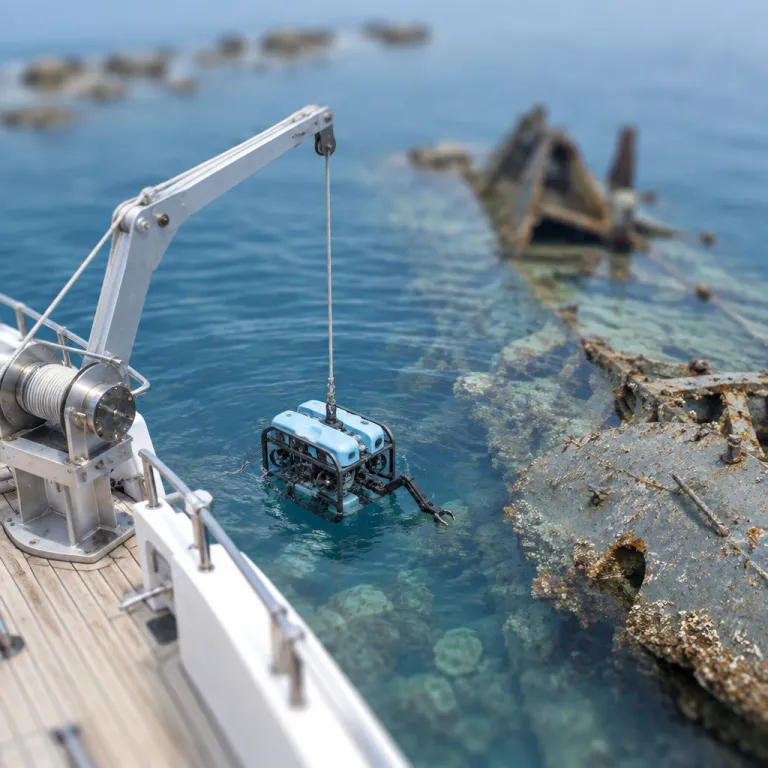
Algol dive overview: why this New Jersey wreck captivates advanced divers
The Algol dive off the coast of New Jersey is one of the most characterful wreck experiences in the North Atlantic. This former USS attack cargo ship now rests as an artificial reef near Shark River Reef, drawing experienced scuba enthusiasts who want a great dive with history and marine life in equal measure. When divers talk about a memorable wreck dive in this region, the Algol wreck usually appears alongside names like Stolt Dagali and other classic Atlantic ship sites.
The vessel now known to divers as USS Algol (AKA-54) began life as an attack cargo ship, sometimes referenced in logs as Algol AKA, built during World War II at a New Jersey shipyard to move heavy cargo and troops across the ocean. With a ship length of about 140 meters (459 feet) and substantial displacement, the hull offered enormous cargo holds and a broad main deck, which today provide multi level swim throughs and sheltered spaces for fish. After retirement from service, USS Algol was transferred to the New Jersey Artificial Reef Program and intentionally sunk in November 1991 as an artificial reef, part of a wider New Jersey initiative to create structured habitat and new wreck dives for tourism.
The location of the Algol dive is offshore from Point Pleasant Beach, roughly aligned with the Shark River and the broader Shark River Reef complex. Charter boats depart from marinas around Point Pleasant and Point Pleasant Beach, heading to the GPS marks where the ship lies upright on the sand at approximately 40°06′ N, 73°59′ W according to regional reef charts. This artificial reef project has transformed a once utilitarian cargo vessel into a thriving marine ridge of steel and life, making each Algol dive trip a blend of maritime heritage and conservation in action.
History of USS Algol and her transformation into an artificial reef
The story behind the Algol dive begins with a working ship that served as a World War II era USS attack cargo vessel. Built in New Jersey and later redesignated as USS Algol, the ship carried military cargo, vehicles, and supplies across oceans before retiring from active duty and entering the reserve fleet. Those cavernous cargo holds that once stored matériel now host schooling fish, crustaceans, and sponges, turning a former warship into a peaceful underwater attraction.
When New Jersey’s artificial reef program sought large hulls to sink, USS Algol was an obvious candidate thanks to her size, displacement, and robust superstructure. The decision to create an artificial reef from this ship aligned with goals of marine conservation, diver education, and a tourism boost for coastal towns like Point Pleasant and Point Pleasant Beach. Sinking USS Algol at Shark River Reef added a major wreck depth profile to a region already known for sites such as the Stolt Dagali, giving wreck divers a portfolio of historic ships within a relatively compact location.
Today, the Algol wreck lies upright on the sand with the bow pointing into the prevailing swell, creating a stable platform for multi level dives along the main deck and down into the deeper cargo spaces. The superstructure rises significantly from the seabed, which means that even when visibility is moderate, divers can navigate easily by following the ridge like lines of the decks and masts. As one local guide puts it, “Once you hit the deck and see how high the structure stands off the bottom, you understand why the Algol has become a benchmark New Jersey wreck for advanced divers.”
Dive profile, wreck depth, and route planning on the Algol wreck
The typical Algol dive profile suits advanced divers comfortable with cold water, currents, and overhead environments. The wreck depth reaches around 30 meters at the sand according to New Jersey reef charts, while the main deck and upper superstructure offer shallower levels for extended multi level dives. Because of this range, a single wreck dive can include time on the bow, the bridge, and the upper cargo holds before ascending along the mast or mooring line.
Most divers start their Algol dive by descending the anchor or shot line directly onto the main deck near the superstructure, then swimming forward toward the bow to orient themselves. From there, teams may circle the ship, dropping slightly over the side to inspect the hull where it meets the sand, or they may explore the open cargo holds that once carried military cargo. Penetration into interior spaces should only be attempted by properly trained wreck divers, as silt, entanglement hazards, and the complexity of the ship can quickly turn a great dive into a stressful situation.
Charter operators based along the New Jersey coast regularly run boat dives to USS Algol from marinas near Shark River Inlet and Point Pleasant. These boats often combine the Algol wreck with other sites like the Stolt Dagali on two tank days, giving experienced divers a varied wreck dive itinerary. For travelers comparing global wreck destinations, the Algol dive offers a North Atlantic counterpart to Pacific icons such as the Truk Lagoon wrecks, where staying at dedicated dive lodges like those described in guides to wreck diving in Truk Lagoon can create a very different but complementary experience.
Marine life, reef growth, and seasonal conditions at Shark River Reef
The Algol dive is not only about steel and history; it is also about the living artificial reef that has colonized the hull. Over time, the ship’s superstructure, main deck, and cargo holds have become encrusted with sponges, mussels, and soft corals that transform bare metal into a textured reef. This artificial reef effect is especially visible along the ridge like edges of the decks and railings, where current brings nutrients and small invertebrates thrive.
Fish life on the Algol wreck varies with season, but divers commonly report dense schools of baitfish, black sea bass, and tautog weaving through the ship. Lobsters and crabs patrol the sand at the wreck depth, while anemones and hydroids cover shaded corners of the bow and stern. Large pelagics occasionally cruise past the location, and although the name Shark River might suggest frequent shark encounters, sightings of big shark species remain occasional rather than guaranteed.
Water temperatures at Shark River Reef can reach about 25 °C in summer at the surface, though thermoclines often make the deeper parts of the Algol dive noticeably cooler. Visibility changes with weather, river outflow, and plankton, so checking recent reports from local scuba operators in Point Pleasant and Point Pleasant Beach is essential before planning dives. For travelers who enjoy combining wrecks with tropical coral ecosystems, it can be rewarding to pair a New Jersey trip with a later journey to tropical reef destinations, using resources such as this guide to the best places to scuba dive on tropical reefs to balance cold water wrecks with warm water reef adventures.
Logistics, safety, and choosing the right charter for an Algol dive
Planning an Algol dive begins with selecting a reputable boat operator from the New Jersey coast, often departing near Shark River Inlet or Point Pleasant. Local charters understand the wreck depth, currents, and mooring practices at this artificial reef location. They also know how to position the boat so that divers land close to the main deck or superstructure rather than drifting off the ship into open sand.
Divers should hold at least an advanced scuba certification with recent experience in cold water and wreck environments before attempting the Algol wreck. Local guidance is clear on this point: “No, it's recommended for advanced divers due to depth and conditions.” That advice reflects the combination of depth, potential current, and the temptation to enter cargo holds or interior passageways where a cutting tool, redundant light, and solid gas planning become essential.
Safety planning for an Algol dive also includes checking weather forecasts, swell, and river outflow that can affect visibility at Shark River Reef. Booking dives in advance during the best months from late spring through early autumn helps secure spots on popular wreck dive charters, especially on weekends. Many operators pair the Algol dive with a second site such as the Stolt Dagali or a shallower reef, creating a multi level day that allows divers to build experience progressively while still enjoying a great dive on one of New Jersey’s signature wrecks.
Quick contact and planning box: When researching local operators, look for New Jersey charter boats that specifically list USS Algol and Shark River Reef on their schedules, confirm that they provide a divemaster or guide on board, and ask about typical water temperatures, gas options, and required experience for the planned wreck depth.
Pre-dive safety checklist for the Algol wreck: verify certification and recent cold water dives; review the planned depth, bottom time, and no decompression limits; agree on turn pressure and lost buddy procedures; carry at least one cutting tool and two lights; check reels, surface signaling gear, and exposure protection; and confirm that all team members understand the limits on penetration and the ascent plan back to the mooring or anchor line.
Who the Algol wreck suits, and how it compares to other wreck dives
The Algol dive particularly suits experienced wreck enthusiasts who appreciate both history and challenging conditions. Compared with shallower inshore wrecks or training sites, USS Algol’s wreck depth, size, and complex superstructure demand confident buoyancy, situational awareness, and disciplined gas management. Divers who already enjoy the Stolt Dagali or similar North Atlantic wrecks will likely find the Algol wreck a natural next step.
From a travel perspective, basing yourself in Point Pleasant or Point Pleasant Beach offers easy access to multiple artificial reef locations, including Shark River Reef and other ship sites along the New Jersey coast. Many visiting divers schedule several dives on USS Algol to explore different sections of the ship, from the bow and main deck to the stern and deeper cargo holds. This approach turns a single great dive into a short expedition, revealing new details about the ship’s cargo history, construction, and transformation into an artificial reef with each return.
For those building a global wreck diving portfolio, the Algol dive stands as a strong Atlantic counterpart to Pacific and tropical wreck hubs. While destinations like Truk Lagoon or the Red Sea offer warmer water and coral encrusted hulls, the Shark River Reef location delivers a colder, moodier atmosphere that many wreck aficionados cherish. Combining these experiences over time gives a rounded understanding of how ships from New Jersey shipyards to remote atolls end their service as underwater monuments, each with unique design, scale, and ecological impact.
Key figures and practical statistics for planning an Algol dive
- USS Algol measures about 140 meters in length (approximately 459 feet), making it one of the larger wrecks in the New Jersey artificial reef program and allowing multiple distinct dive routes on the same ship.
- The wreck depth reaches roughly 30 meters at the sand according to regional dive guides and state reef charts, which places the Algol dive firmly in the advanced recreational range and requires careful gas and no decompression limit planning.
- Summer surface water temperatures near Shark River Reef can reach around 25 °C, but thermoclines often mean that temperatures on the main deck and in the cargo holds are several degrees cooler, so appropriate exposure protection such as a 7 mm wetsuit or drysuit is essential.
- The ship was intentionally sunk in November 1991 as part of New Jersey’s artificial reef initiative, a program that has deployed dozens of vessels and structures to increase marine biodiversity and support coastal tourism through wreck diving.
- Charter operators typically schedule Algol dives during daytime slack tide windows, which reduces current on the wreck and improves safety for descents, ascents, and any limited penetration into the superstructure.
FAQ: planning your Algol dive off New Jersey
Is the USS Algol suitable for beginner divers ?
USS Algol is not suitable for beginners because the wreck depth, potential currents, and overhead environments demand advanced skills. Local guidance clearly states that it is recommended for advanced divers due to depth and conditions. Newer divers should gain experience on shallower reefs and simpler wrecks before booking an Algol dive.
What marine life can I expect to see on the Algol wreck ?
Divers on the Algol wreck typically encounter schooling fish such as black sea bass, tautog, and seasonal baitfish, along with lobsters and crabs on the sand. The artificial reef structure of the hull and superstructure supports sponges, mussels, and soft corals that attract invertebrates and small reef fish. Occasional large pelagics may pass by the location, but regular shark sightings at Shark River Reef are not guaranteed.
Are guided wreck dives available for the Algol in New Jersey ?
Yes, several New Jersey charter operators and local dive shops offer guided Algol dives with experienced leaders who know the wreck layout. These guides help visiting divers navigate the main deck, bow, and cargo holds safely while respecting no penetration limits for those without formal wreck training. Booking in advance is recommended, especially during peak summer weekends when demand for wreck dive charters is high.
What equipment should I bring for an Algol wreck dive ?
Divers should bring a complete cold water scuba setup, including an appropriate exposure suit, redundant cutting tool, and at least one primary dive light with a backup for exploring shaded areas of the superstructure. Many advanced divers choose a multi level gas configuration such as twin cylinders or a large single with stage, depending on their training and the planned profile. Surface signaling devices and a reel or spool are also advisable in case of separation from the boat or mooring line.
When is the best time of year to dive the USS Algol ?
The Algol dive is technically possible year round, but most divers prefer the period from late spring through early autumn when water temperatures are milder and surface conditions are more stable. During these months, visibility at Shark River Reef often improves, and charter schedules from Point Pleasant and Point Pleasant Beach are more frequent. Winter dives are reserved for well prepared locals who accept colder water and more variable weather in exchange for quieter boats and potentially clearer water.