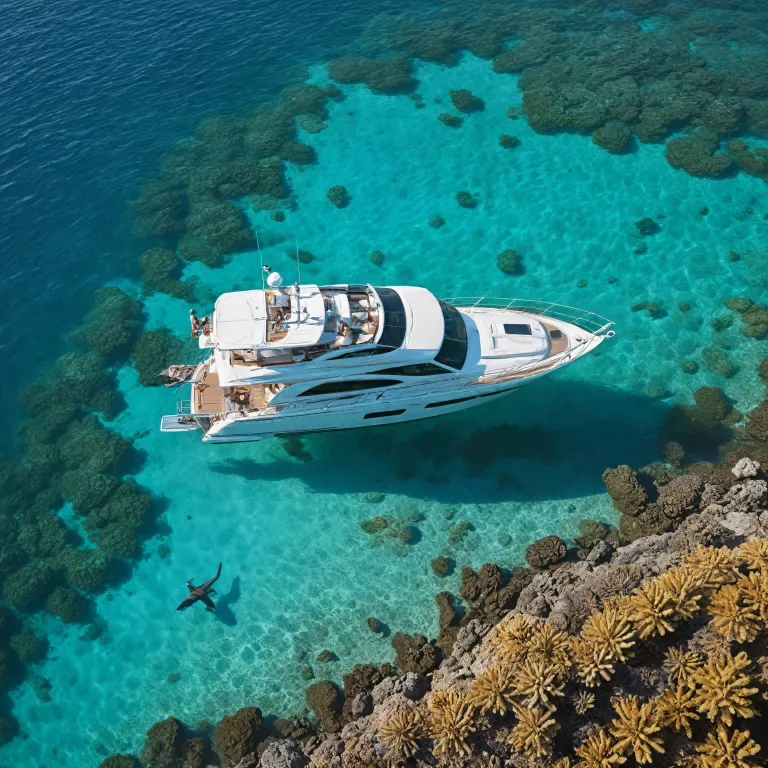
Pioneering women at sea and what they mean for divers
An all female private yacht crew brings a different energy to the water. Their presence builds on a lineage that began when Tracy Edwards led the first all-female crew in the 1989-90 Whitbread Round the World Race aboard Maiden. That legacy now shapes how divers, families, and guests experience modern yacht charter expeditions.
Today, a growing number of women choose a yacht based career that blends seamanship with hospitality. They step into roles as captain, chief stewardess, chef, and dive guide, often after years of rigorous training and offshore miles. This female crew evolution is particularly visible on luxury yacht operations that focus on marine travel, underwater photography, and extended liveaboard style itineraries.
Although women still represent a minority of yacht crew worldwide, their impact on the onboard experience is significant. As of 2023, women represent approximately 5-8% of yacht captains globally. That figure remains modest, yet it signals a shift in how private motor yacht owners and charter guests view leadership at sea.
Historic race campaigns such as Maiden, Mighty Mary, and Amer Sports Too proved that an experienced all female private yacht crew can handle demanding ocean conditions. Those projects relied on high performance motor yacht and sailing platforms, advanced navigation tools, and meticulous safety standards. For divers, this heritage translates into confidence that the crew dynamic supporting their underwater adventures is both resilient and highly skilled.
When a candidate will join such a team, she steps into a tradition of perseverance. The job is demanding, but the rewards include front row access to pristine reefs, pelagic encounters, and western Mediterranean islands that many guests only glimpse from shore. For serious divers, that combination of history and professionalism is compelling.
Life onboard a private motor yacht with women leading the way
Stepping into the cabins of a luxury yacht run by women, divers often notice subtle differences. The layout may be similar to any other private motor yacht, yet the attention to storage for wetsuits, cameras, and regulators feels more intuitive. This reflects a yacht crew that has spent full time seasons living the same dive focused lifestyle as their guests.
On a charter yacht dedicated to marine travel, the chief stewardess usually orchestrates the interior flow. She coordinates with the chef to time meals around dive briefings and surface intervals, ensuring the onboard experience feels seamless rather than rushed. When the stewardess team is part of an all female private yacht crew, communication between interior and deck can be remarkably fluid.
For divers, the motor aspect of a motor yacht matters because it dictates range and speed between sites. A well maintained private motor vessel can reposition overnight, allowing guests to wake near remote walls, seamounts, or wrecks. The crew yacht team handles these transits while guests sleep in quiet cabins, trusting the experienced captain and officers on watch.
Safety briefings are another area where a female crew often excels. Many women in yacht based roles have come through intensive training programs that emphasize risk management and guest care. They understand that family leisure groups, underwater photographers, and technical divers each require tailored guidance and clear communication.
Dive travelers also increasingly care about gear innovation and visibility at depth. When discussing equipment, many female crew members can advise on details such as a color changing scuba wetsuit for sale that enhances safety and style underwater. Their ability to connect practical kit choices with real world diving scenarios reinforces their authority in the eyes of guests.
Designing a charter itinerary for serious diving and family leisure
An all female private yacht crew often brings a collaborative approach to itinerary design. Before a yacht charter begins, the captain, chef, and chief stewardess will review guest profiles, dive certifications, and special requests. This planning phase shapes how time is allocated between intense diving, relaxed cruising, and family leisure activities.
In the western Mediterranean, a motor yacht might combine marine reserves with sheltered bays ideal for beginners. The yacht crew can schedule advanced wall dives early in the morning, then shift to shallow snorkeling for younger guests in the afternoon. This balance allows mixed ability groups to share the same private yacht without compromising safety or enjoyment.
For longer expeditions, especially when the vessel is yacht based in remote regions, fuel range and weather windows become critical. The captain will study forecasts, currents, and local regulations, then brief the people crew on deck and interior adjustments. Guests rarely see this behind the scenes work, yet it underpins every smooth tender launch and every safe return to the swim platform.
Food plays a central role in recovery between dives, and a skilled chef can transform the onboard experience. On luxury yachts with a female crew, menus often reflect both performance nutrition and regional flavors, from Mediterranean seafood to light vegetarian options. The chef and stewardess team coordinate service so that wet gear, camera rinsing, and hot meals never clash in the same space.
Families particularly appreciate when the crew dynamic supports both adventure and rest. Children might spend time learning basic knots with deckhands while parents enjoy a quiet dusk dive. By the end of the week, many guests feel they have shared a floating home rather than a simple charter yacht.
How to choose an all female private yacht crew for your next dive trip
Selecting the right private yacht for diving begins with clarity about your priorities. Decide whether you want a motor yacht focused on range and comfort, or a smaller vessel that can access tighter anchorages. Then evaluate how the yacht charter company presents its female crew, their certifications, and their experience with underwater itineraries.
When reviewing profiles, look for a captain with extensive local knowledge and a proven safety record. Check whether the chief stewardess and stewardess team have backgrounds in dive operations or liveaboard style service. A strong yacht crew biography will highlight previous seasons in the Mediterranean, Red Sea, or other renowned dive regions.
Ask specific questions about cabins layout, gear storage, and compressor capacity. Serious divers need to know how many guests the vessel can support without compromising the onboard experience or turnaround time between dives. The candidate will often share sample schedules that show how full time operations run during peak season.
It is also wise to inquire about training and emergency protocols. Many women now working in female crew roles have completed advanced first aid, rescue, and crowd management courses. Their ability to manage both routine tasks and unexpected incidents is central to a safe and enjoyable trip.
Finally, consider how the crew dynamic aligns with your group culture and expectations. Some travelers prefer a very formal style of service, while others value a relaxed, family leisure atmosphere. Reading detailed reviews and, when possible, speaking directly with the captain can help ensure that the all female private yacht crew you choose is the right fit for your diving ambitions.
Careers for women on dive focused luxury yachts
For women seeking experienced pathways into marine travel, yacht based roles offer compelling opportunities. Positions range from deckhand and stewardess to chef, dive instructor, and ultimately captain on a private motor vessel. Each job demands technical skills, resilience, and a genuine passion for the sea.
Many start in junior interior roles, learning service standards and safety procedures under a chief stewardess. Over time, they may transition to dual positions that combine interior duties with dive guiding or tender driving. This hybrid approach is common on smaller luxury yachts where a compact people crew must cover multiple functions.
Those who are seeking experienced mentors often look to pioneers such as Tracy Edwards, Lisa McDonald, and Dawn Riley. Their campaigns in major ocean races showed that an all female private yacht crew can perform at the highest competitive level. These stories continue to inspire candidates who aim for full time careers on charter yacht operations.
Professional development typically includes formal maritime qualifications, dive certifications, and hospitality training. A candidate will progress faster when she invests in navigation courses, language skills, and technical knowledge of motor yacht systems. This blend of expertise increases her value to owners and management companies.
For divers considering a seasonal or long term move into this world, it helps to understand the rhythm of the job. Peak months, often around February in some regions and summer in the Mediterranean, can be intense. Yet the rewards include close contact with marine ecosystems, strong camaraderie within the crew yacht team, and the satisfaction of shaping unforgettable voyages for guests.
Planning your own voyage with an all female private yacht crew
Once you have chosen a vessel, thoughtful planning will elevate your trip. Begin by sharing detailed dive goals, from specific species to wrecks or underwater photography themes, with the captain and yacht crew. Their feedback will refine the itinerary and ensure that time is used efficiently across the cruising area.
If your journey includes the western Mediterranean, ask about marine parks, seasonal closures, and visibility patterns. The captain and female crew can suggest optimal windows for pelagic encounters, cave dives, or calm bays suited to family leisure. They will also coordinate with local authorities to respect conservation rules and anchoring restrictions.
Equipment preparation is another crucial step, especially for technical or photography heavy expeditions. Discuss tank sizes, gas mixes, and backup systems with the crew yacht engineer and dive leaders well before departure. For guidance on training pathways, many captains recommend resources that compare SSI and PADI for divers choosing their first certification, which can help newer guests arrive better prepared.
During the voyage, remain open to adjustments driven by weather, currents, or wildlife movements. A flexible mindset allows the private yacht team to seize unexpected opportunities, such as a sudden aggregation of pelagic fish or exceptionally clear conditions on a deeper reef. The candidate will often brief guests each evening, outlining options for the following day.
By the end of a well planned charter, many guests feel a strong connection to the all female private yacht crew who supported their dives. They leave not only with logbooks full of memorable entries, but also with a deeper appreciation of the women who have reshaped what luxury yacht travel can mean for serious divers.
Key statistics on women in yachting and diving
- Women represent 19% of the wider maritime workforce, reflecting steady growth in recent decades.
- Women seafarers working at sea account for roughly 1% of the global total, highlighting ongoing barriers to offshore careers.
- Female yacht captains make up an estimated 5% of the profession, with gradual increases as more women pursue command roles.
Essential questions about all female private yacht crews for divers
Who was the first woman to skipper an all-female crew in a major yacht race ?
Who was the first woman to skipper an all-female crew in a major yacht race? Tracy Edwards led the first all-female crew in the 1989-90 Whitbread Round the World Race aboard Maiden. Her achievement demonstrated that women could manage the pressures of global ocean racing and helped open doors for future female captains in both competitive sailing and luxury yacht operations.
What percentage of yacht captains are female as of 2023 ?
What percentage of yacht captains are female as of 2023? As of 2023, women represent approximately 5-8% of yacht captains globally. While this share remains relatively small, it is increasing as more women gain sea time, certifications, and support from progressive yacht management companies and owners.
How has female participation in maritime professions changed over time ?
How has female participation in maritime professions changed over time? Female participation has increased, with women comprising 19% of the maritime workforce in 2024, up from previous years. This trend is mirrored in yachting, where more women now serve as captain, chief stewardess, engineer, and dive professional on private and charter vessels worldwide.
References
- International Maritime Organization (IMO)
- WISTA International
- SkipperCity