Why Scandinavian cruises on small ships appeal to divers
Scandinavian cruises on a small ship offer a rare blend of marine adventure and cultural immersion. For divers and ocean focused travelers, this style of cruise creates a moving basecamp that follows the norwegian coast and its underwater ecosystems. The intimacy of small ships also means fewer crowds on each cruise and more time to focus on the sea itself.
Operators such as Viking Ocean Cruises, Hurtigruten, and Havila Voyages shape itineraries that feel tailored to underwater enthusiasts. Their cruises often trace the norwegian fjords, skirt the arctic circle, and pause in sheltered bays ideal for a kayak zodiac outing or a guided shore dive. These routes let you explore city waterfronts one day and a quiet island reef the next, keeping your marine experiences varied and engaging.
Small ship capacity, often under one thousand guests, allows flexible scheduling of every activity and faster tender operations for dive groups. This is especially valuable when a guide will adjust timings around tides, visibility, or marine life behavior. On a well planned cruise aboard a modern vessel, you can visit a lively city like bergen or oslo by day and still return in time for a relaxed dinner shore excursion or an evening marine lecture.
According to operators, “Small-ship cruises offer access to unique ports, personalized services, and intimate experiences with a focus on local culture and sustainability.” Another expert note states, “Viking Ocean Cruises, Hurtigruten, and Havila Voyages are notable operators offering small-ship cruises in Scandinavia.” Finally, sustainability leaders emphasize, “Operators like Havila Voyages use hybrid propulsion systems and large battery packs to reduce emissions and environmental impact.”
Marine life, underwater landscapes, and coastal cities in Scandinavia
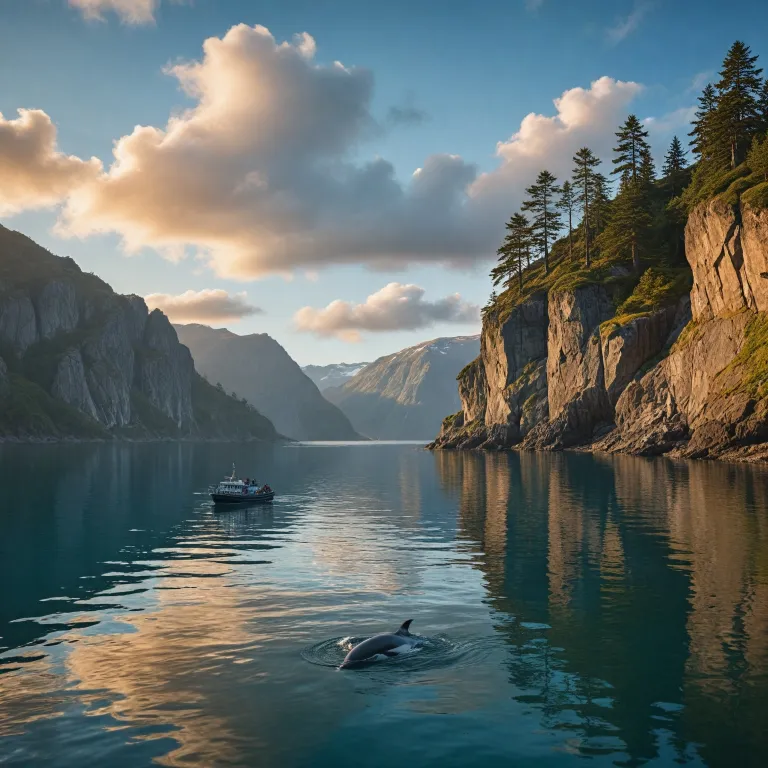
The norwegian fjords form a dramatic backdrop for both diving and topside cruising. Sheer rock walls plunge into deep channels where cold, clear water supports kelp forests, anemones, and shoals of fish that thrive in low light. When your small ship anchors near a sheltered town, you can enter the water from a rib or kayak zodiac and experience these ecosystems at eye level.
Many scandinavian cruises small ships itineraries balance underwater time with curated city visits. A day stockholm stop typically includes a guided walk through gamla stan, where narrow streets and wooden houses recall the era of the viking homelands. Later, you might explore city waterfronts that transition quickly from historic quays to modern marine research centers, giving context to the waters you have been diving.
In oslo day programs, lines often include Vigeland Park, the opera house, and maritime museums that explain how norwegian ship design evolved for harsh seas. Divers gain insight into why the region’s working vessels, from fishing boats to research ships, look and perform as they do. A well structured tour also leaves time to visit the harbor, assess visibility, and plan a potential shore dive or snorkel session.
For underwater photographers, the subdued northern light and reflective fjord surfaces create subtle, moody scenes. To refine your technique before or after a voyage, it is worth reading expert guidance on mastering marine life photography. Combining these skills with the slow pace of small ship cruises lets you capture both marine life and coastal city skylines with equal confidence.
Choosing the right small ship and itinerary for diving
Selecting among scandinavian cruises small ships starts with clarifying your priorities as a diver. Some travelers want maximum time in the norwegian fjords, while others prefer a broader route that includes the british isles or the baltic capitals. Each cruise and each ship offers a different balance of marine activity, cultural touring, and open sea days.
Vessels from Viking Ocean Cruises emphasize Scandinavian design, all veranda cabins, and enrichment lectures that frame each port visit. Hurtigruten and Havila Voyages focus more strongly on the working norwegian coast, calling at small town harbors and charming fishing villages that larger cruises cannot reach. On these routes, a small ship can adjust its schedule around weather windows, giving divers better chances for safe entries and rewarding visibility.
When comparing itineraries, look closely at how many days are spent north of the arctic circle. Extended time in this region increases your odds of experiencing the midnight sun, which can lengthen safe surface intervals and create unusual lighting for late evening dives. Some programs also include optional kayak zodiac excursions, letting you approach cliffs, sea caves, or shallow reefs that are inaccessible to the main ship.
Divers who value intimacy may gravitate toward the very smallest vessels, which can feel like a floating liveaboard with added cultural stops. To understand why size matters for underwater focused travelers, consider this analysis of why the smallest cruise ship can be ideal for divers. Matching your expectations with the ship’s capabilities ensures that every day on board supports your time in the water.
Dive planning, safety, and sustainable practices on board
Thoughtful planning is essential when combining scandinavian cruises small ships with serious diving. Cold water, variable visibility, and changing weather demand conservative profiles and close coordination with the onboard dive team. A professional guide will brief you on local regulations, marine protected areas, and any restrictions around wrecks or sensitive habitats.
Because you are operating from a moving ship, gas management and timing become especially important. Before your voyage, review guidance on how long your scuba tank will last underwater so you can plan realistic bottom times. On board, factor in the extra exertion of drysuit diving, surface swims from a kayak zodiac, and the chill of long safety stops in norwegian waters.
Sustainability is a central theme across many modern cruises in this region. Havila Voyages, for example, uses large battery systems that allow several hours of near silent, emission free sailing through sensitive fjords. For divers, this quieter approach can reduce surface pollution and make marine life encounters feel more natural, particularly in narrow inlets where sound carries.
Responsible operators also work with local partners to ensure that each activity benefits coastal communities. Shore excursions might include a dinner shore experience featuring locally sourced seafood, or a visit to a small town dive center that monitors reef health. By choosing a cruise aboard a line that invests in hybrid propulsion and community partnerships, you help protect the very ecosystems you have traveled so far to explore.
Iconic ports, shore excursions, and topside highlights for divers
Even the most dedicated divers appreciate well curated shore days during scandinavian cruises small ships itineraries. In bergen, colorful wooden houses line the harbor, and narrow lanes climb toward viewpoints that reveal the surrounding fjords. A morning city walk followed by an afternoon boat ride to a sheltered dive site creates a balanced day that respects both culture and sea.
Oslo offers a different rhythm, with Vigeland Park, waterfront museums, and modern architecture framing the fjord. Many programs include an oslo day tour that combines art, history, and time to explore city quays where working vessels and research ships dock. For marine travelers, these visits explain how norwegian maritime traditions evolved from viking longships to today’s hybrid powered cruise vessels.
Farther south, some itineraries link Scandinavia with the british isles, adding variety for those who enjoy both rugged coasts and historic capitals. A call in Copenhagen might include a stroll past the mermaid statue before returning to the ship for a briefing on the next day’s dive options. In Stockholm, a structured day stockholm program often pairs gamla stan with a boat ride through the archipelago, where small islands shelter marine life and seabirds.
Throughout these journeys, national geographic style lectures and onboard libraries deepen your understanding of the landscapes you sail through. Whether you choose a short cruise or a longer tour, alternating dive days with cultural excursions keeps your energy balanced. The result is a voyage where every port visit, from a charming fishing harbor to a major city, contributes to your overall sense of place.
Seasonality, light, and practical tips for marine focused travelers
Timing your trip is crucial when planning scandinavian cruises small ships with a strong diving component. Shoulder seasons can offer fewer crowds and atmospheric light, while midsummer near the arctic circle brings the midnight sun. Extended daylight allows flexible scheduling of each activity, from early dives to late evening photography sessions on deck.
Water temperatures remain cold year round, so a well fitted drysuit, layered insulation, and robust gloves are essential. Many divers appreciate the stable platform of a small ship when gearing up, especially in choppy conditions. On days when diving is not advisable, you can still explore city harbors, join a kayak zodiac excursion, or take part in national geographic inspired talks about marine science.
Booking early is wise because each small ship carries a limited number of guests and dive slots. This is particularly true on itineraries that emphasize the norwegian fjords, viking homelands, and remote island communities. Early planning also gives you time to arrange medical checks, refresh cold water skills, and coordinate any specialized equipment you may need.
Finally, remember that a well designed cruise balances structure with spontaneity. A knowledgeable guide will adjust plans around weather, visibility, and local events, ensuring that every day feels purposeful yet relaxed. By aligning your expectations with the rhythm of the sea and the capabilities of small ships, you create a marine journey that feels both special and sustainable.
Key statistics for Scandinavian small ship cruising
- Typical passenger capacity on many Scandinavian oriented small ships is around 930 passengers, which supports more intimate operations and easier access to smaller ports.
- Some hybrid powered vessels carry battery systems weighing approximately 86 tons, enabling extended low emission sailing in sensitive fjord environments.
- These large battery installations can support up to 4 hours of near silent, emission free cruising, particularly valuable when transiting narrow norwegian fjords.
Frequently asked questions about Scandinavian small ship cruises for divers
What are the benefits of small ship cruises in Scandinavia for divers ?
Small ships can access narrow fjords, sheltered bays, and small town harbors that are ideal for staging dives and kayak zodiac excursions. With fewer guests on board, dive operations feel more personalized, and schedules can be adjusted around tides, visibility, and marine life behavior. This intimacy also enhances cultural encounters, as you spend more time in coastal communities that remain closely tied to the sea.
Which cruise lines offer suitable small ship itineraries for marine travelers ?
Viking Ocean Cruises, Hurtigruten, and Havila Voyages all operate vessels that fit the scandinavian cruises small ships profile. Their itineraries emphasize the norwegian fjords, arctic circle regions, and key ports such as bergen, oslo, and Stockholm. When evaluating options, look for programs that explicitly mention marine activities, enrichment lectures, and partnerships with local dive operators.
How do Scandinavian small ship cruises support sustainability in marine environments ?
Several operators invest in hybrid propulsion systems and large battery packs that reduce emissions, especially in sensitive fjords and near coastal communities. On board, you will often find educational programs about marine conservation, waste reduction, and responsible wildlife viewing. By choosing these lines and following crew guidance, divers and marine travelers help minimize their footprint while still enjoying rich underwater and coastal experiences.