Galápagos deep sea coral reef and the hidden half of the reserve
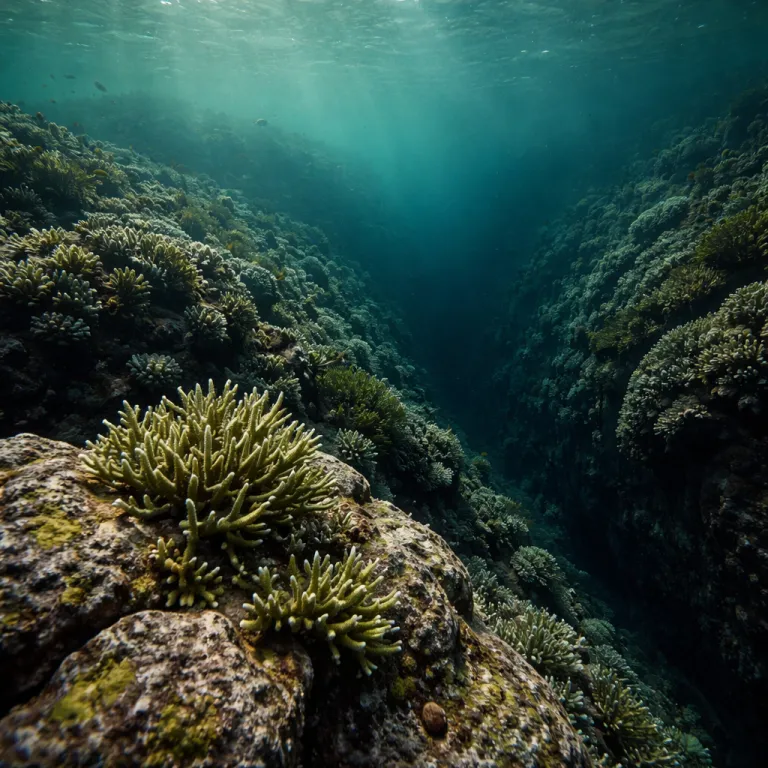
The Galápagos deep sea coral reef story begins far below the usual dive profiles. At around 400 metres in the Galápagos Marine Reserve, scientists using the HOV Alvin submersible during a 2023 Schmidt Ocean Institute–supported expedition documented extensive, ancient coral reefs that had remained completely out of sight for recreational divers. This newly discovered deep sea coral habitat sits in cold water where light fades, yet marine life thrives in ways that challenge how we think about a pristine reef.
The expedition brought together a team from the University of Essex, the Charles Darwin Foundation and Woods Hole Oceanographic Institution, each adding a different lens on the Galápagos marine environment. Using high‑resolution seafloor mapping, in situ sample collection and repeated deep water transects between roughly 300 and 600 metres, the research team traced how corals and associated marine life link the shallow reefs Galápagos divers know with the darker ocean slopes that fall away from the islands. One project summary from the scientists is blunt about the stakes for the reserve: “It reveals pristine deep-sea ecosystems, aiding conservation and long‑term management of the Galápagos Marine Reserve.”
For dive travellers, this changes the mental map of the Galápagos Islands from a ring of shallow coral reefs to a vertical reef system that runs from snorkel depth into the deep ocean. The Galápagos deep sea coral reef is not a separate curiosity but a structural extension of every shallow reef and sea coral garden you fin across at 18 metres. When you drop on a wall at Darwin or Wolf and feel the current push past, that same water is moving through deep sea terraces where cold water corals and deep coral frameworks are quietly building habitat and supporting a hidden web of reef life.
Why protection must go below 40 metres for real climate resilience
Most marine reserve zoning worldwide still stops where recreational diving usually ends. In the Galápagos Marine Reserve, management plans historically focused on the coral reefs and rocky reef communities that live in the first 30 to 40 metres of water, because that is where tourism, fishing pressure and monitoring teams operate. The Galápagos deep sea coral reef work shows that this shallow focus misses the deep ocean corridors that help marine life adapt to climate change and recover after disturbance.
University of Bristol researchers argue that deep sea corals in the Galápagos act as connectivity hubs, allowing larvae and reef species to move between shallow reef zones and deeper, colder water refuges. Early modelling and genetic evidence suggest that when surface temperatures spike or climate change drives marine heatwaves, these deep water coral structures can shelter species and then reseed damaged shallow reefs across the archipelago. That connectivity is exactly what the 30x30 Ocean Action Plan and the 2022 Galápagos Marine Reserve expansion seek from climate resilient marine reserve networks, yet most maps still draw lines around what divers and snorkellers can see.
For travellers choosing responsible marine life itineraries, this means asking harder questions about how a reserve is zoned vertically, not just horizontally around islands. Volunteer projects that work on coral restoration or marine life monitoring increasingly need to integrate deep sea data and cold water refuges into their strategy rather than focusing only on shallow coral gardens. In the Galápagos marine context, that includes supporting programmes run by the Charles Darwin Foundation and partner universities that deploy submersibles, oceanographic sensors and Woods Hole teams to map deep water coral and sea coral slopes and feed those findings into policy.
How deep sea science is reshaping dive travel narratives in the Galápagos
The Galápagos deep sea coral reef expeditions have also shifted who tells the story of these islands to divers. Instead of only highlighting charismatic marine life on shallow reef plateaus, guides now reference the work of Dr Michelle Taylor from the University of Essex, Dr Stuart Banks from the Charles Darwin Foundation and marine geologist Daniel Fornari from Woods Hole Oceanographic Institution. Their team used Woods Hole oceanographic tools such as Alvin and advanced sonar to show how deep sea corals, corals on mid slope reefs and shallow reef assemblages function as one climate linked system that spans hundreds of vertical metres.
For a solo explorer planning a liveaboard, this science translates into practical choices about operators, routes and even pre trip reading. Look for vessels that brief guests on deep ocean processes, explain how Galápagos marine currents feed plankton into the water column and connect their itineraries to ongoing expedition work by University of Essex researchers and partner scientists. When a divemaster at Darwin’s Arch talks about Charles Darwin, they increasingly pair the history with present day data from Woods Hole and other oceanographic teams mapping newly discovered deep sea coral reefs beneath the same site and across the wider archipelago.
This deeper narrative is also influencing how we compare destinations, from Cozumel to Costa Rica beach towns for divers and ocean lovers. Guides that profile elegant marine escapes or curated overviews of coastal hubs increasingly reference whether local marine reserve design accounts for deep water refuges and climate change resilience. In the Galápagos, the presence of a vertically connected network of coral, reef walls and deep sea terraces gives the reserve a structural advantage, but only if policy keeps pace with what scientists now know about cold water corals, sea coral gardens and the full life of the deep ocean.