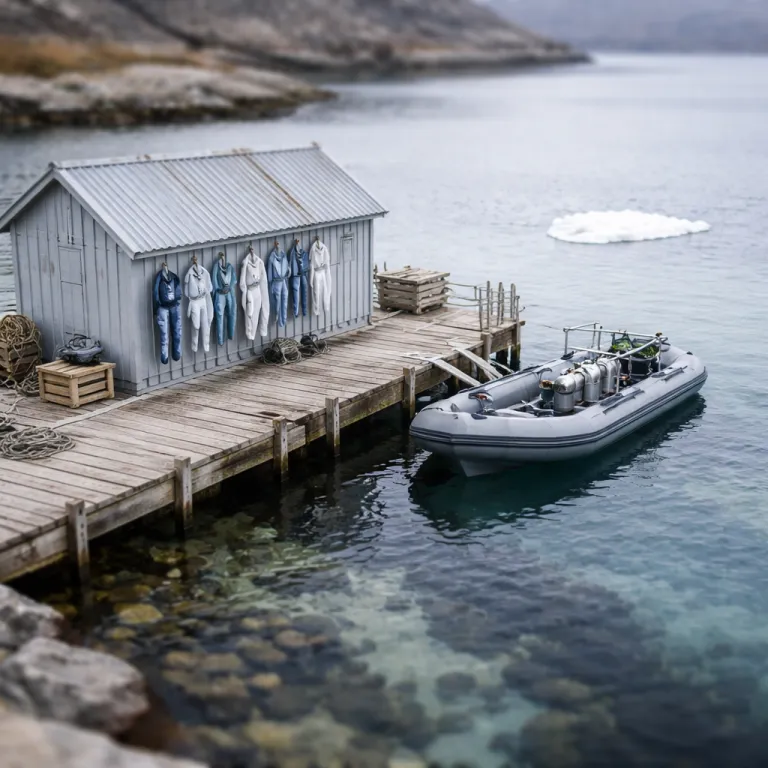
Why cold water diving destinations are suddenly on every serious diver’s radar
Cold water diving destinations are drawing experienced divers who want quieter sites, richer marine life, and a sense of exploration that is harder to find on crowded tropical reefs. As interest in these regions grows, scuba diving in temperate and polar water offers a different rhythm from a typical tropical dive trip, with fewer boats, more deliberate dives, and a stronger focus on safety, logistics, and self-reliance. For many divers, the best diving now means trading palm trees and coral reefs for kelp forests, sea lochs, and fjords where the water temperature rarely climbs above 10 °C.
Cold water diving is commonly defined as scuba diving in water temperatures below 21 °C (70 °F), which immediately changes how you plan your dives and what gear you pack. These dive destinations reward that extra effort with marine life that simply does not exist on equatorial reefs, from wolf eels and giant Pacific octopus to reef sharks that patrol kelp edges and, in some regions, seasonal pelagic visitors drawn to cooler upwellings. Because these diving destinations see less traffic, the marine ecosystems often feel more intact, with shy sharks and other marine life behaving naturally rather than circling crowded dive sites.
The surge in interest is also driven by better equipment and training, which make cold water diving more accessible to recreational divers. Drysuit courses are now marketed as a natural next step after Open Water scuba training, not a niche technical activity reserved for polar expeditions or deep wreck dives. As one major training agency such as PADI explains in its safety guidance, “What is cold water diving? Scuba diving in water temperatures below 70 °F (21 °C),” and similar definitions appear in SSI and NAUI materials, giving divers a clear benchmark for when to treat a site as cold water.
Norway’s fjords: cathedral walls, kelp forests, and Arctic light
Norway’s fjords sit near the top of any serious list of cold water diving destinations, and with good reason. Sheer granite walls plunge from snow lined peaks straight into the sea, creating dive sites where you can fin along vertical faces draped in anemones, soft corals, and kelp instead of tropical coral reefs. The best diving here is not about depth records but about slow, careful dives along the wall where the current brings plankton, reef sharks occasionally cruise the blue, and the light shifts from silver to cobalt as the water temperature drops with each metre.
Most fjord dive resorts operate year round, with peak visibility in the colder months when plankton blooms fade and the water temperatures sit between roughly 4 and 8 °C. Typical high-visibility windows run from late October through March, when daylight is shorter but the water is clearest and marine life is concentrated in the upper layers. These dive destinations often combine scuba diving with surface excursions, so a single trip might include two dives on sheltered sites in the morning and an afternoon RIB ride to watch orcas and other sharks feeding in herring rich bays. For divers used to warm water diving in places like diving Mexico or the Galápagos Islands, the logistics feel different, but the marine life density and solitude quickly justify the extra layers.
Planning a Norway dive trip means paying attention to water temperature, daylight hours, and access to reliable dive operators. Many of the best dive resorts are small, family run properties that know every local dive site and can tailor dives to your experience level and comfort in cold water. A typical one week itinerary might base you in a single fjord region, with four or five days of two tank diving, one rest day for topside hikes or whale watching, and flexible plans for weather. If you are already considering a wider northern route, pairing the fjords with a marine travel itinerary that includes other North Atlantic cold water regions such as Iceland or northern Scotland can turn one holiday into a multi destination cold water diving arc.
Iceland’s Silfra and beyond: where you glide between continents
Ask any group of divers to name their dream cold water diving destinations, and Silfra in Iceland will surface quickly. This narrow crack between the North American and Eurasian tectonic plates is filled with glacial meltwater filtered through volcanic rock, creating some of the clearest water on the planet. On a Silfra dive, you float above boulders and lava formations in water temperatures that hover just above freezing, yet visibility is routinely reported in the 50 to 60 metre range according to Icelandic dive operators and park briefings, turning even a shallow dive into one of your best dives for pure clarity.
Silfra is technically a freshwater site, but it still belongs in any list of iconic cold water dive destinations because of its unique geology and the precision required for safe scuba diving. The water temperature demands a well fitted drysuit, thick thermal undergarments, and regulators rated for very cold water, which is why local dive operators insist on proper training and pre dive checks. Many divers combine one or two dives in Silfra with sea dives along Iceland’s rugged coast, where kelp forests, marine life rich reefs, and occasional shark sightings show a different side of the island.
Beyond Silfra, Iceland offers year round cold water diving in bays and offshore sites where marine life thrives in nutrient rich currents. These dive sites may not have coral reefs, but they host colourful invertebrates, fish adapted to frigid water, and dramatic lava formations that rival the best diving in more famous destinations. For a deeper look at how these northern waters compare with other cold water diving destinations worldwide, explore this guide to the world’s most captivating cold water diving destinations on Blue Dive Adventures, which maps out dive destinations from Patagonia to the Galápagos and highlights how water temperature, visibility, and marine life vary by region.
Great Lakes shipwrecks: freshwater time capsules with big sky visibility
The Great Lakes form one of the most underrated cold water diving destinations on the planet, especially for divers who love wrecks more than reefs. These inland seas hold thousands of shipwrecks preserved by cold, fresh water, with hulls, masts, and even cargo often intact after more than a century on the bottom. On a clear day, visibility can rival tropical dive sites, and the lack of salt and coral reefs means the wreck structures remain sharp and photogenic for underwater photographers.
Because the Great Lakes are freshwater, you will not see reef sharks or whale sharks, but you will experience a different kind of marine life and a different style of dive. Many of the best dive sites lie between 15 and 40 metres, accessible to advanced recreational divers with solid buoyancy and cold water skills, and the water temperatures can vary dramatically between surface and bottom. Planning a trip here means checking seasonal water temperatures, choosing dive resorts or charter operators who understand local conditions, and building in extra time for weather windows, since these inland seas can generate ocean scale waves.
For divers used to warm water diving Mexico style holidays, the Great Lakes demand more preparation but reward it with solitude and history. You might spend an entire day on a single wreck, planning multiple dives to explore the bow, stern, and interior spaces rather than racing between many dive sites. A practical approach is to schedule trips between late June and early October, when surface conditions are milder, and to arrive with at least an Advanced Open Water certification plus a recognised drysuit specialty. If you are still working toward the certifications needed for deeper wreck dives, consider training in destinations where dive training costs a fraction of the price, then bring those skills north once you are ready for these cold water diving destinations.
Drysuit training and skills: turning cold water from challenge into comfort
Cold water diving destinations are only enjoyable when you are genuinely warm and in control, which is why drysuit training has become a mainstream step in many divers’ progression. A dedicated drysuit course teaches you how to manage buoyancy with both your suit and your wing, how to vent expanding air during ascent, and how to respond calmly if water enters the suit mid dive. This training transforms cold water from something to endure into a medium where you can relax, extend your bottom time, and focus on marine life rather than your fingers.
Most dive destinations that specialise in cold water now require proof of drysuit experience before taking you to more advanced dive sites, especially where water temperatures drop below 10 °C or where currents and depth add complexity. Training agencies and local dive shops emphasise that “Is special training required for cold water diving? Yes, training in drysuit use and cold water safety is recommended,” a position echoed in PADI, SSI, and NAUI course outlines. In practical terms, that usually means completing a drysuit specialty, logging at least five to ten supervised cold water dives, and practising skills such as controlled ascents, inversion recovery, and emergency venting before booking remote expeditions.
Smart divers treat drysuit skills as part of their core scuba diving toolkit, not an optional extra reserved for polar expeditions. Once you are comfortable, you can approach cold water diving destinations such as Norway, Iceland, British Columbia, Monterey Bay, or even the Galápagos Islands during cooler seasons with confidence, knowing that changing water temperature profiles will not derail your trip. The result is a wider personal map of dive destinations, from shark diving in temperate seas to exploring marine life rich kelp forests that many warm water divers never experience.
Gear, logistics, and where cold water diving fits in a global dive life
Planning a trip to cold water diving destinations starts with gear, because the wrong equipment can turn even the best dive into a short, shivering ordeal. At minimum, you need a drysuit, thick thermal undergarments, gloves, hood, and regulators rated for cold water, all tuned to the specific water temperatures you expect. For water around 10 to 13 °C, many divers use a compressed neoprene or trilaminate drysuit with a medium weight synthetic or merino undergarment, while near-freezing sites such as Silfra call for heavier quilted insulation. Many divers choose to rent a drysuit from local dive resorts or dive operators but bring their own undergarments and regulators, ensuring familiar contact points while still adapting to local water temperature and weighting needs.
Cold water is denser than warm water, and drysuits add buoyancy, so you will carry more lead than on a tropical scuba diving holiday. That extra weight changes how you move around dive boats, how you enter the water, and how you manage your trim once underwater, especially on deeper dives or when currents sweep along reefs or walls. A common rule of thumb is to expect an additional 4 to 8 kilograms of lead compared with a warm water wetsuit setup, depending on your body type and undergarment thickness. Before committing to remote diving destinations, it is wise to log several practice dives in local cold water, whether that means a quarry, a lake, or a coastal site, so that your first trip to marquee destinations feels like an extension of your existing dive life rather than a complete reset.
From a broader travel perspective, cold water diving destinations complement, rather than replace, classic warm water options such as diving Mexico or liveaboard trips in the Galápagos. You might spend one year focused on shark diving with reef sharks and hammerhead sharks in tropical seas, then plan the next trip around marine life encounters in kelp forests or fjords where sharks are rarer but the landscapes feel otherworldly. Over time, your personal list of best diving experiences will likely include both coral reefs and cold water sites, proving that the sea has many ways to reward curious divers.
Key figures and data points for cold water diving destinations
- Cold water diving is defined as scuba diving in water temperatures below 21 °C (70 °F), which shapes equipment choices and training requirements for divers worldwide (training agency guidance from organisations such as PADI, SSI, and NAUI).
- Average water temperature in Monterey Bay, a classic cold water destination, is about 13 °C (55 °F), with typical visibility around 9 to 15 metres (30 to 50 feet), according to figures cited by Scuba.com and regional dive operators, making it a benchmark for temperate water diving conditions.
- Many cold water diving destinations operate year round, but seasonal variations in plankton blooms and storms mean that the clearest water often coincides with the coldest months, when fewer divers are willing to enter the sea and when marine life may be more concentrated in specific depth bands.
- Advancements in thermal protection gear, including modern drysuits, heated undergarments, and cold water regulators, have significantly expanded the number of recreational divers who can safely enjoy cold water diving destinations without technical training.
- Regions such as Iceland, Norway, the Great Lakes, Monterey Bay, British Columbia, and the Galápagos now feature prominently in global rankings of best dive destinations for non tropical marine life and dramatic underwater landscapes, especially for divers seeking kelp forests, wrecks, and big animal encounters outside the tropics.
FAQ: cold water diving destinations and practical considerations
What is cold water diving, and how is it different from tropical diving ?
Cold water diving means scuba diving in water below about 21 °C, which requires drysuits, thicker thermal protection, and regulators designed for low temperatures. Compared with tropical diving, you carry more weight, plan shorter surface intervals to warm up, and pay closer attention to water temperature changes with depth. The reward is access to quieter dive sites, unique marine life, and underwater landscapes such as kelp forests, fjords, and freshwater wrecks.
What equipment do I need for safe cold water dives ?
For most cold water diving destinations, you need a drysuit, thermal undergarments, hood, gloves, and cold water rated regulators, along with your standard scuba kit. Training agencies summarise it clearly in their guidance by stating, “What equipment is needed for cold water diving? Drysuit, thermal undergarments, cold-water regulators.” Many divers rent the suit locally but bring their own regulators and exposure accessories to ensure a familiar fit.
Are there specific health risks associated with cold water diving ?
Cold water increases the risk of hypothermia, reduced dexterity, and faster fatigue, especially on repetitive dives or long surface intervals in wind. Official safety materials from agencies such as DAN and PADI emphasise that “Are there health risks associated with cold water diving? Yes, risks include hypothermia; proper gear and training mitigate them.” Choosing appropriate exposure protection, limiting dive times, and diving with experienced operators all help manage these risks.
Which destinations are considered classics for cold water diving ?
Well established cold water diving destinations include Monterey Bay and the Channel Islands in California, British Columbia in Canada, the Great Lakes in North America, Norway’s fjords, and Iceland’s Silfra fissure. Each offers different marine life and underwater topography, from sea lion rich kelp forests to freshwater shipwrecks preserved by low water temperatures. Many divers build multi year plans to experience several of these regions as their drysuit skills improve.
Do I need special training before booking a cold water dive trip ?
Yes, a dedicated drysuit course and some practice dives in local cold water are strongly recommended before travelling to remote cold water diving destinations. Training agencies and operators agree that “Is special training required for cold water diving? Yes, training in drysuit use and cold water safety is recommended.” Arriving with those skills means you can focus on enjoying the marine life and landscapes rather than learning basic techniques on your first big trip.