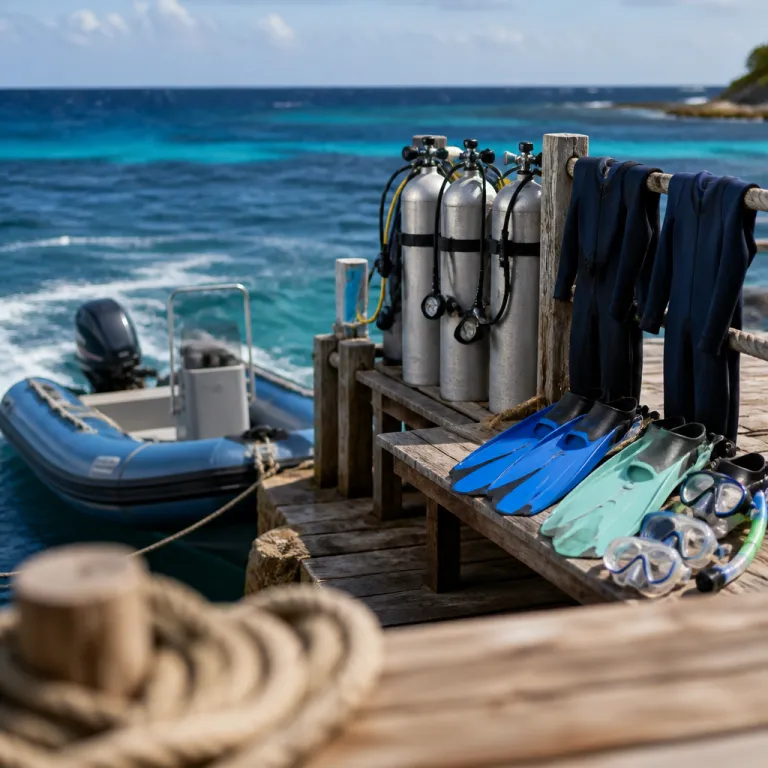
Why scuba diving gear rental is reshaping marine travel
Scuba diving gear rental lets you arrive light yet dive fully prepared. For many travelling divers, hiring equipment instead of flying with a heavy tank, BCD, and fins removes stress and airline fees. This shift in how people manage scuba gear on the road is quietly transforming where and how often they scuba dive, especially on short notice trips.
Across major coastal hubs, a modern dive shop now treats rental equipment as a core service, not an afterthought. Operators such as Divers Two Inc. in New Jersey, Ventura Dive & Sport in California, and Any Water Dive Center in California maintain extensive gear rentals with regulators, BCDs, wetsuits, and Nitrox tanks ready for visiting divers. These centres publicly list their rental services and prices, so readers can verify current details directly with each operator before travelling; for example, Divers Two Inc. and Ventura Dive & Sport both publish updated rental menus as of 2023–2024.
The typical daily price for a complete scuba diving rental gear package in the United States sits around 100 USD, which is often lower than airline baggage surcharges for a full personal set. That regular price usually includes a BCD, regulator, alternate air source, gauges or a dive computer, plus weights and a tank filled with clean compressed air. For travellers who dive only a few times each year, this rental model offers high quality equipment access without the long term maintenance costs of owning full dive gear; estimates in Scuba Diving Magazine’s 2022 travel gear coverage and sample price lists from Divers Two Inc. and similar shops support both the 100 USD figure and the widespread use of rental gear by travelling divers.
Choosing the right dive shop and rental gear for your trip
Selecting a reliable dive shop is the most important decision in any scuba diving gear rental plan. Look for a rental provider that services its equipment frequently, offers in store fitting, and keeps detailed maintenance records for every regulator, BCD, and tank. Reputable operators will invite you to view details of their servicing schedule and explain how they sanitize masks snorkels, mouthpieces, and other accessories between rentals, so you can see exactly how they care for their fleet.
Ventura Dive & Sport, for example, provides rental gear that includes masks, fins, snorkels, dive computers, Nitrox tanks, and BCD regulators tailored to different body sizes. Any Water Dive Center focuses on high quality regulators and BCDs, while Divers Two Inc. maintains a broad inventory of rental gear for both local and travelling scuba dive guests. When you compare options, ask whether the regular price covers a full set of rental equipment or if the shop charges separately for accessories such as dive computers and underwater lights, and confirm that the information on their current price sheets matches what you have been told.
For marine travellers planning shallow reef excursions by small boat, pairing the right gear rentals with the right vessel matters. Articles on refined access to shallow marine worlds show how coastal skiff journeys for divers depend on compact, streamlined dive gear that is easy to move in tight spaces. In these situations, a lightweight BCD, a compact regulator set, and short travel fins can make your scuba diving experience more comfortable while keeping the boat uncluttered and safe; as one liveaboard guide put it after a crowded deck incident, “the less gear you trip over on deck, the more you can focus on the reef below.”
Planning travel logistics around rental equipment and marine conditions
Thoughtful travel planning ensures that scuba diving gear rental aligns with flight schedules, marine weather, and your personal diving limits. Many dive shops now offer online reservation systems where you can register an account, complete an account purchase for deposits, and secure specific sizes of BCDs, wetsuits, and fins before you fly. This option to register in advance is especially valuable when your itinerary includes remote islands or polar gateways with limited gear rentals on site, where last minute substitutions may not be possible.
Some marine expeditions route through specialised air gateways that support both polar travel and technical scuba diving. Guides to airports in Antarctica for divers and polar travellers explain how these polar air gateways shape marine expeditions and influence what rental gear is realistically available at the destination. In such regions, you may rely on local rental equipment for heavy items like tanks and weights, while carrying personal masks snorkels, regulators, and dive computers in your hand luggage so you can dive with familiar life support gear even in extreme environments.
For tropical itineraries, the logistics are different but the principles remain similar for every scuba dive you plan. Confirm whether your chosen dive shop offers gear rental by the day or by the dive, and clarify how they handle late returns if your boat schedule changes due to rough water. Always allow extra time between your last dive and your flight, because even when you rent all your scuba gear, your body still needs adequate surface intervals before travelling by air; many divers now build a full no dive day into their schedule to avoid rushing both packing and decompression limits.
Safety, training, and how rental gear supports your diving skills
Safe scuba diving begins with proper training, and rental gear should reinforce rather than undermine those skills. Before you rely on any rental equipment, ensure you hold at least an open water certification from a recognised training agency and that your logbook reflects recent dives. Many dive shops will ask to view details of your certification card and may require a refresher scuba dive if you have been out of the water for a long period, especially before deeper or more advanced excursions.
During pre dive checks, treat rental gear exactly as you would your own equipment, but with even more attention to detail. Inspect the BCD for leaks, confirm that the regulator breathes smoothly, verify that the alternate air source functions correctly, and check that the tank valve opens fully without sticking. Test the dive computer for correct units, alarms, and no decompression limits, and ensure that masks snorkels, fins, and any accessories fit comfortably before you step off the boat; one instructor summarises it as “breathe, inflate, deflate, and read the screen” before every single entry.
Many centres integrate gear rentals into their courses and continuing training programmes, which helps divers build familiarity with different brands and configurations. When you enrol in advanced courses, ask whether the regular price includes rental gear such as a BCD regulator set, dive computer, and exposure protection, or whether you should budget separately for those items. This approach allows you to experience a range of scuba gear before making any account purchase decisions about owning your own dive equipment, and it can reveal subtle preferences in hose routing, inflator style, or computer interface that only appear after several dives.
Cost, value, and when to rent versus buy scuba gear
Understanding the price structure of scuba diving gear rental helps you decide when renting offers better value than ownership. An average daily cost of about 100 USD for a complete rental gear package can be economical for travellers who dive only a few days each year. Once you start planning multiple marine trips annually, the balance between gear rentals and personal dive gear ownership begins to shift, and a simple cost comparison over several seasons becomes useful.
Break down the regular price of each rental equipment component so you can compare it with long term purchase costs. Many dive shops list separate prices for BCDs, regulators, tanks, wetsuits, and dive computers, allowing you to view details and calculate when buying a personal regulator or computer becomes more cost effective. Some divers choose to own critical fit dependent items such as masks snorkels, fins, and computers, while continuing to rely on rental gear for bulky items like tanks and weights during travel; others gradually transition from full rental packages to a hybrid kit as their diving frequency and confidence increase.
When you evaluate value, consider not only the financial cost but also the convenience and safety benefits of high quality rentals. Well maintained scuba gear from a reputable dive shop reduces the risk of equipment related issues during a scuba dive, especially in remote destinations where servicing options are limited. For many marine travellers, a hybrid strategy of owning some gear and using targeted gear rental for the rest offers the best balance between flexibility, comfort, and budget, and it keeps options open as your diving interests evolve from casual reef tours to more specialised adventures.
Environmental and destination factors in choosing rental equipment
Environmental conditions at your destination should guide every scuba diving gear rental decision you make. Water temperature, visibility, currents, and entry type all influence which BCD, regulator, exposure suit, and accessories will keep you safe and comfortable. In cooler water, for example, a thicker wetsuit or drysuit may be essential, while in warm tropical seas a lighter configuration of dive gear is usually sufficient, provided you still have adequate thermal protection for long repetitive dives.
Many destinations now emphasise safe and sustainable dive tourism, and rental equipment plays a central role in that strategy. National and regional initiatives that aim to redefine safe sustainable dive tourism often highlight how well maintained rental gear reduces waste and extends the life of high quality equipment fleets. Articles on Indonesia’s national diving directory, updated in the early 2020s, show how coordinated standards for dive shops, training, and gear rentals can support both reef protection and diver safety by encouraging consistent servicing and responsible in water behaviour.
As a travelling diver, you can support these efforts through your own rental choices and behaviour in the water. Select a dive shop that invests in eco friendly accessories, such as low impact fins and reef safe weights, and that trains guests to maintain excellent buoyancy using properly fitted BCDs and regulators. Every time you opt for well maintained rental gear instead of flying with excess baggage, you also reduce the air travel emissions associated with transporting heavy scuba equipment around the world, while signalling demand for responsible operators who prioritise both marine ecosystems and diver welfare.
Key figures and trends in scuba diving gear rental
- Around 60 % of active divers rent at least some scuba gear on trips, according to Scuba Diving Magazine’s 2022 coverage of travel habits, which shows how central rental equipment has become to marine travel.
- The average daily cost of a complete scuba diving gear rental package is about 100 USD in the United States, based on sample price lists from Divers Two Inc., Ventura Dive & Sport, and comparable coastal operators, making rentals competitive with airline baggage fees for full dive gear.
- Many dive shops now update their rental gear inventory regularly, replacing BCDs, regulators, and dive computers on multi year cycles to maintain high quality standards and reduce equipment related incidents.
- Online reservation systems for gear rentals are increasingly common, allowing divers to secure specific sizes of BCDs, wetsuits, and fins before travel and reducing the risk of fit issues on arrival.
- Industry surveys indicate growing demand for eco friendly rental equipment, including low impact fins and durable BCD materials, as divers seek to align their scuba diving habits with marine conservation goals.
FAQ about scuba diving gear rental for marine travellers
Do I need to be certified to rent scuba gear ?
Do I need to be certified to rent scuba gear? Yes, certification is typically required to rent scuba equipment. Dive shops usually ask for proof of at least open water certification before issuing rental gear, and some may also review your recent diving experience or ask for a quick check dive.
Can I reserve scuba gear online before I travel ?
Can I reserve scuba gear online? Many dive shops offer online reservation systems for rental gear. By using these systems to register an account and complete an account purchase for deposits, you can secure specific sizes and configurations of rental equipment ahead of your trip and avoid last minute shortages during busy seasons.
Is rental gear regularly maintained by reputable operators ?
Is rental gear regularly maintained? Reputable dive shops service and sanitize rental equipment regularly. They typically follow manufacturer schedules for regulators, BCDs, and dive computers, and they clean masks snorkels, mouthpieces, and wetsuits thoroughly between rentals, often recording each service in a log that staff can show you on request.
What should I check on rental gear before a scuba dive ?
Before each scuba dive, confirm that the BCD inflates and deflates smoothly, the regulator breathes easily, and the tank valve operates without sticking. Verify that the dive computer is set to the correct gas mix and units, and make sure fins, masks snorkels, and exposure protection fit comfortably without leaks or chafing. Conducting these checks systematically reduces the risk of equipment issues underwater and reinforces the pre dive habits you learned during training.
When does it make sense to buy instead of rent scuba gear ?
If you plan several dive trips each year or prefer consistent fit and familiarity, purchasing key items such as a regulator, BCD, and dive computer can be more cost effective over time than repeated gear rentals. Many divers still rely on rental equipment for heavy items like tanks and weights during travel, while owning personal masks snorkels, fins, and computers for comfort and safety. Comparing the regular price of rentals with long term ownership costs helps you choose the right balance for your diving lifestyle and adapt as your experience and travel patterns change.