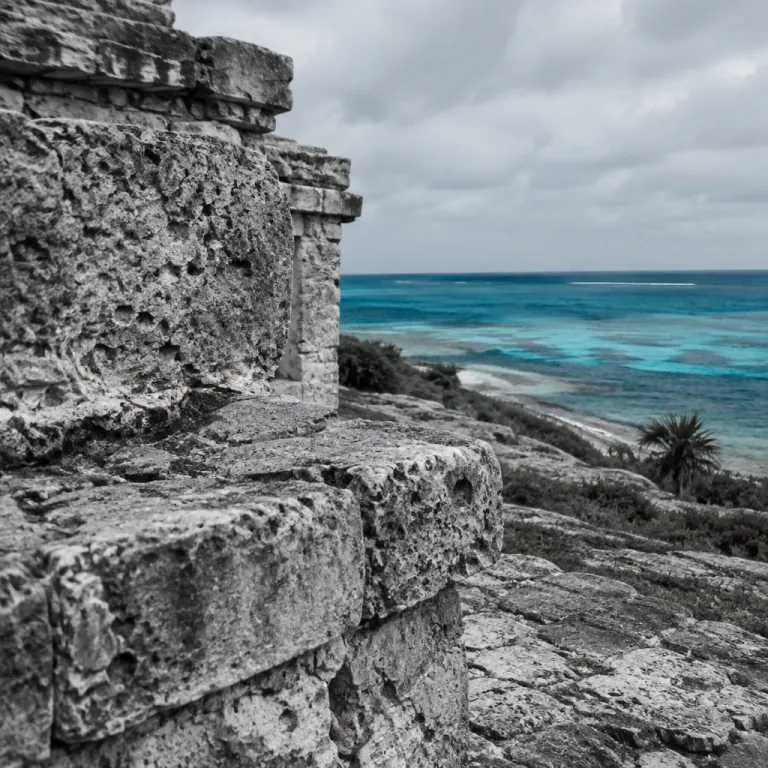
Why the Costa Maya ruins matter to divers and ocean travelers
The Costa Maya ruins sit inland from one of Mexico’s most vibrant reef corridors. Many cruise passengers hurry straight from the Costa Maya port to dive boats, yet the nearby Mayan ruins offer context that deepens every underwater experience. When you understand how the ancient Maya civilization read the stars, the seasons, and the sea, your own view of the Caribbean changes in subtle but powerful ways.
Chacchoben, the best known of the Costa Maya ruins, lies about a 50 minute drive from the cruise terminal near Mahahual town. This Chacchoben Mayan archaeological site flourished between the Preclassic and Classic periods, and the pyramids rise above dense jungle that still hides unexcavated structures. The Instituto Nacional de Antropología e Historia (INAH), Mexico’s national heritage authority, notes that many original buildings are only partially excavated and that large areas remain unexplored, so you are walking through both history and an active research landscape.
For divers planning a cruise based itinerary, the choice between a reef dive and a Chacchoben Mayan ruins tour can feel difficult. A well planned day can include both a shallow morning dive on the Mesoamerican Barrier Reef and an afternoon visit to the ruins in the Costa Maya interior, if ship schedules allow. Balancing time underwater with time among Mayan ruins creates a more complete sense of place than either experience alone.
Planning your day from Costa Maya port: balancing ruins and reef
From Puerto Costa Maya port, most organized excursions to Chacchoben Mayan ruins use air conditioned buses or vans. The drive inland crosses low jungle and small settlements, reminding you that modern Maya families still live and work around these ancient sites. Because the distance is fixed, your main variable is how you divide the day between diving, a cultural tour, and unstructured time in Mahahual town.
Book any Chacchoben tour before you enter the ship’s busy excursion marketplace, especially on popular cruise itineraries. Independent operators often coordinate carefully with all aboard times, but you must still verify exact schedules and build in a buffer. When you read any tour review, look for clear mention of travel time from the Costa Maya cruise port, group size, and how long you actually spend among the ruins.
Divers joining a two tank morning trip should avoid scheduling a Chacchoben Mayan ruins tour that departs too early from the port. A safer pattern is to dive first, rinse gear at your chosen Costa Maya dive center, then meet an afternoon group heading to the ruins in the jungle interior. If your cruise offers only a single long day in Costa Maya, resist the urge to overbook and leave some free time for a quiet walk along the waterfront.
“How far is Chacchoben from the cruise port?” and “Are the ruins original or reconstructed?” are common questions, and the official answers are straightforward. INAH explains that the drive from Puerto Costa Maya takes about 50 minutes each way and that the visible temples are largely original stonework that has been stabilized rather than rebuilt.
For divers interested in how port development shapes local guiding work, seek out analysis of how large liveaboard operations affect coastal dive communities. Understanding these dynamics helps you choose operators whose business practices respect both the reef and the cultural heritage around the Costa Maya ruins. Responsible choices on land and sea keep this region viable for future travelers.
Local laws, customs, and respectful behavior at Chacchoben and other sites
The Costa Maya ruins fall under the protection of INAH, Mexico’s national archaeological authority. When you enter Chacchoben or any Mayan ruins site, you are stepping into a regulated heritage zone with specific rules that differ from the more relaxed beach culture in Mahahual. Divers accustomed to informal reef briefings sometimes underestimate how strictly these cultural regulations are enforced.
Climbing on restricted structures is prohibited, even if you see others attempting it for photos or a better view. Many pyramids and platforms at Chacchoben Mayan ruins remain fragile because large sections are original stone with minimal reconstruction. Respecting roped off areas protects both the fabric of the ruins and your own safety, since uneven stones and hidden voids can cause serious injuries.
Local Maya guides often share stories that connect the ancient relationship with water, agriculture, and celestial navigation to the modern Costa Maya coastline. Listen closely and avoid interrupting with loud side conversations, especially in small groups where sound carries. Tipping guides in Mexican pesos rather than foreign currency is appreciated and aligns with local customs around fair compensation.
Photography is generally allowed at the Costa Maya ruins, but commercial filming or the use of tripods may require special permits. Always ask before taking close photos of individual guides, artisans, or local families who may be present near the entrance. If you plan to share your experience online, frame your review around both the beauty of the Mayan ruins and the responsibilities that come with visiting them.
Back in Mahahual town, you will find a relaxed beach strip where divers trade stories over seafood and cold drinks. To pair cultural travel with culinary exploration, consider reading about how coastal food traditions and reef diving intersect in other regions. The same respect you show at Chacchoben should extend to local restaurants, beach clubs, and small dive shops along the Costa Maya waterfront.
From jungle temples to coral walls: connecting Mayan cosmology and the reef
Walking through the shaded plazas of Chacchoben, you move between temples aligned with celestial events. The ancient Maya civilization tracked solstices, equinoxes, and planetary cycles with precision that still impresses modern researchers. For divers, this sky focused worldview offers a striking contrast to the weightless silence of the reef below the Costa Maya waves.
Many Maya myths and rituals reference sacred cenotes, coastal lagoons, and the life giving properties of water. When you later descend along a coral wall off Mahahual town, you are entering the same broader seascape that sustained communities in this part of Mexico for centuries. The continuity between jungle ruins and marine ecosystems becomes clearer when you consider how both landscapes shaped food, trade, and spiritual practice.
On a practical level, alternating a morning at the Costa Maya ruins with an afternoon snorkel can help non divers in your group feel included. Some travelers prefer to spend the cooler early hours exploring Mayan ruins, then join a relaxed reef tour once the sun climbs higher. This rhythm respects both the heat of the interior jungle and the best light for underwater photos.
Underwater photographers often say that their most memorable Costa Maya experience is not a single dive or a single pyramid, but the way both environments frame light and shadow. The stepped geometry of Chacchoben Mayan temples echoes in the layered structure of coral bommies and spur and groove formations. When you later review your photos, you may notice how the same sense of verticality runs from stone stairways to drop offs along the reef.
If you are looking for thoughtful ways to share this connection with fellow ocean lovers, explore curated guides to meaningful scuba diving gifts that celebrate the sea. A carefully chosen print of the Costa Maya ruins or a reef themed artwork can keep the memory of both worlds alive long after your cruise ends. Objects that honor both Mayan history and marine life make excellent reminders of a balanced journey.
Safety, environment, and ethical choices around Costa Maya ruins and reefs
Safety at the Costa Maya ruins begins with realistic expectations about terrain and climate. Paths at Chacchoben are mostly compacted earth with some stone steps, and recent rain can leave sections slippery. Wear closed shoes, carry at least one litre of water per person, and apply reef safe insect repellent before you enter the jungle.
From an environmental perspective, both the Mayan ruins and the nearby reef are under pressure from increasing cruise traffic. Each additional bus from the port to the interior adds noise and emissions, while more divers on the reef raise the risk of coral contact. Choosing smaller group tours and reputable dive operators is one of the most effective ways to reduce your individual footprint.
Look for Costa Maya tour companies that collaborate with local communities and follow INAH guidelines closely. On the marine side, prioritize dive centers that brief clearly on buoyancy, avoid feeding fish, and limit group sizes on fragile sites. When you later write a review, highlight these positive practices so other travelers can join the same responsible operators.
Many visitors assume that cultural sites are robust because stone feels permanent, yet the reality is more delicate. Oils from hands, repeated foot traffic on unmarked slopes, and unauthorized access to closed areas can accelerate erosion at Mayan ruins. The same principle applies underwater, where a single careless fin kick can break coral that took decades to grow.
Ethical travel around the Costa Maya ruins also includes financial choices. Buying crafts directly from artisans near Mahahual town, tipping guides fairly, and avoiding illegal artifacts all support a healthier local economy. When reef and ruins both generate sustainable income, communities have stronger incentives to protect their heritage on land and at sea.
Practical tips for combining Costa Maya ruins with a dive focused itinerary
Start planning by mapping your ship’s hours in port against realistic travel times. With about 50 minutes each way between Costa Maya port and Chacchoben, a typical ruins tour will occupy at least half your day. Divers who want two full tanks plus a visit to the Mayan ruins should consider private arrangements or overnight stays in Mahahual town on non cruise trips.
Pack a small day bag that works both at the ruins and on the boat. Lightweight long sleeves protect you from sun and insects at Chacchoben, then double as wind protection during surface intervals. Keep your certification card, a refillable bottle, and a dry bag for electronics handy whether you enter the jungle or board a dive skiff.
When choosing between different Costa Maya excursions, read each tour review with an eye for timing, group size, and guide quality. Some packages combine a short visit to Chacchoben Mayan ruins with a beach break, which may not satisfy serious divers or history enthusiasts. If your priority is a deep cultural experience, select a dedicated ruins tour and schedule your reef dives for another day in this part of Mexico.
Language is rarely a barrier, since most guides at the Costa Maya ruins speak at least basic English and Spanish. Learning a few Maya greetings or expressions, however, can enrich your experience and show respect for living culture. Simple phrases exchanged before or after the tour can turn a standard visit into a more personal encounter.
Finally, give yourself time at the end of the day to reflect. Whether you are reviewing your photos of pyramids rising above the canopy or wide angle shots of coral gardens, notice how both sets of images capture layers of time. The Costa Maya experience becomes most meaningful when ruins, reef, and local communities all share space in your memory.
Key figures for Costa Maya ruins and reef travel
- The drive from Puerto Costa Maya port to Chacchoben ruins typically takes about 50 minutes each way, which means any combined dive and ruins itinerary must allocate at least three to four hours for transport and site time.
- Archaeological evidence places the earliest settlement at Chacchoben around 200 BCE, so when you walk among the Mayan ruins you are moving through more than two millennia of continuous regional history.
- The main occupation of Chacchoben flourished between the Preclassic and Classic periods, a span of several centuries during which the Maya civilization along the Costa Maya corridor developed complex trade and ritual networks.
- Only a portion of the Chacchoben Mayan site is currently excavated, with large areas still under jungle cover, which allows visitors to experience both restored structures and untouched forest in a single circuit.
- The distance between Mahahual town’s reef access points and the Costa Maya cruise terminal is only a few kilometres, making it feasible for fit travelers to schedule both a shallow reef dive and a short ruins tour on the same day when ship times permit.
FAQ about Costa Maya ruins, Chacchoben, and diving logistics
How far are the Costa Maya ruins at Chacchoben from the cruise port ?
The Chacchoben ruins lie roughly a 50 minute drive inland from Puerto Costa Maya cruise port. Most organized tours include round trip transport in this timing estimate. You should still confirm exact schedules with your operator and allow a buffer before your ship’s all aboard time.
Are the Chacchoben ruins original structures or heavily reconstructed ?
The visible pyramids and platforms at Chacchoben are largely original Mayan stonework that has been stabilized and partially excavated by INAH. Many surrounding mounds remain unexcavated under jungle vegetation. Visitors therefore see both restored architecture and untouched archaeological zones in the same visit.
Can I dive and visit Mayan ruins in Costa Maya on the same day ?
Combining a reef dive and a visit to the Costa Maya ruins is possible on some itineraries, but timing is tight. A single morning two tank dive plus an afternoon Chacchoben tour works best when your ship stays in port for at least eight to nine hours. Always prioritize safe surface intervals and conservative scheduling over trying to fit in every activity.
What should I wear and bring for a Chacchoben Mayan ruins tour ?
Wear breathable clothing, closed walking shoes, and a hat, since the jungle can be hot and humid. Bring at least one litre of water, reef safe insect repellent, and sun protection, along with a small amount of cash in Mexican pesos for tips or local crafts. A lightweight rain layer is useful during the wet season because showers can appear quickly.
Is it respectful to take photos at the Costa Maya ruins and share them online ?
Photography for personal use is generally allowed at Chacchoben and other Costa Maya ruins, but you should avoid climbing restricted areas or blocking pathways for staged shots. Always ask before photographing individual people, especially local guides or artisans. When sharing images and writing a review, emphasize both the beautiful setting and the importance of following local rules and customs.